

Is Crown Lengthening Painful? What to Expect During Recovery
The phrase crown lengthening can sound a bit intimidating if you are hearing it for the first time. Whether you need this procedure to fix a gummy smile or to make room for a necessary dental crown, the most common question we hear at Royal Dental Care in Schaumburg is simple: Is it going to hurt?
It is perfectly normal to feel a bit of apprehension before any oral surgery. However, thanks to modern dental techniques and effective anesthesia, the process is far more manageable than most patients anticipate. Understanding what happens during the procedure and how to navigate the recovery phase can turn a source of anxiety into a smooth path toward a healthier smile.
What Happens During the Procedure?
The first thing to know is that you will not feel any pain during the actual surgery. Before we begin, we use local anesthesia to completely numb the area. For patients who feel particularly nervous, we also offer sedation options to ensure you are relaxed and comfortable throughout the appointment.
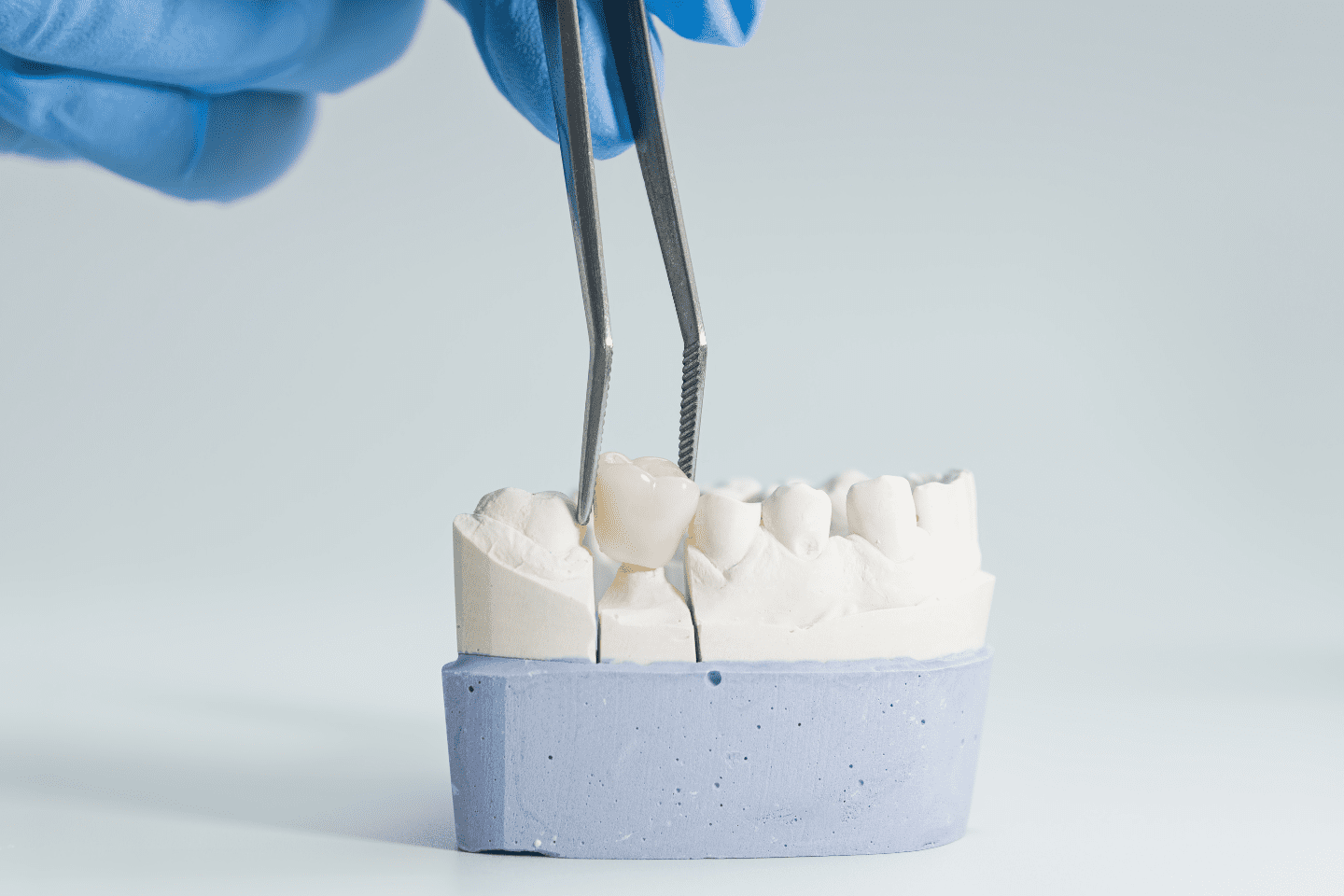
During the procedure, our dentists gently reshape the gum tissue and, in some cases, a small amount of the underlying bone. This exposes more of the natural tooth structure. If you are getting a crown lengthening because a tooth is broken below the gum line, this extra space is what allows a new crown to fit securely without irritating your gums.
The entire process is performed with high-precision tools. Once the reshaping is complete, the area is cleaned and secured with small sutures. While you may feel some slight pressure or hear the sounds of the equipment, the numbing agents ensure that the experience is pain-free.
What to Expect During Recovery?
Once the anesthesia wears off, it is natural to experience some tenderness. Most patients describe the sensation as a dull ache or a feeling of tightness in the gums rather than sharp pain.
The First 24 Hours
The first day is primarily about rest and allowing the initial healing to begin. You might notice some minor swelling or light bleeding, which is a normal part of the body’s inflammatory response. Applying a cold compress to the outside of your cheek in twenty-minute increments can significantly reduce swelling and provide a numbing effect.
Days 2 through 7
During the first week, your gums will be in the early stages of knitting back together. You will likely be prescribed a specialized mouth rinse to keep the area clean without the need for vigorous brushing near the surgical site. It is important to stick to a soft food diet during this time to avoid irritating the sutures.
Two Weeks and Beyond
Most patients return for a follow-up visit around the seven to ten-day mark to have their sutures removed or checked. By this point, any discomfort has usually subsided. While the surface of the gums heals relatively quickly, the deeper tissues and bone can take several weeks to fully stabilize. This is why we typically wait six to eight weeks before placing your final permanent crown.
Tips for a Pain-Free Recovery
Your habits at home play a massive role in how comfortable you feel during healing. Follow these guidelines to ensure a speedy and painless recovery.
- Manage Pain Early: Do not wait for the pain to become intense before taking medication. Following the recommended schedule for over-the-counter anti-inflammatories like ibuprofen can keep discomfort from peaking.
- Watch Your Diet: Stick to lukewarm or cool foods like yogurt, applesauce, mashed potatoes, and smoothies. Avoid spicy, crunchy, or acidic foods, as these can sting the surgical site.
- Avoid Straws: The suction created by using a straw can dislodge healing clots or disturb the sutures. Drink directly from a glass instead.
- Keep Your Head Elevated: Sleeping with an extra pillow for the first few nights can reduce blood pressure in the head, which minimizes throbbing and swelling.
When to Call Royal Dental Care?
While the vast majority of crown lengthening procedures in Schaumburg go exactly as planned, you should keep an eye out for signs that your body needs a little extra help.
If you experience bleeding that does not stop with gentle pressure, pain that gets worse after the third day instead of better, or a fever, please contact us immediately. These can be signs of a localized infection or a dislodged suture that needs our attention.
The Long-Term Benefit
While the idea of a recovery period might seem like a hurdle, the results of crown lengthening are well worth the effort. For cosmetic patients, it creates a balanced, symmetrical smile. For restorative patients, it provides the foundation necessary to save a natural tooth that might otherwise have been lost.
At Royal Dental Care, our goal is to make the process as transparent and comfortable as possible. We are here to support you at every stage, from the initial numbing to the final reveal of your restored smile.
Real Patients. Real Reviews.

Luke
23:42 19 Aug 25
Isabella was great!! Highly recommend her

Julia Swider
23:16 19 Aug 25
Great experience, everyone is very kind and patient. Take time to educate you on what is going on, which is much appreciated. Highly recommend!
Response from the owner 03:11 23 Feb 25
Hi Julia,Thank you for leaving us a review! Your feedback is appreciated.
Pawel Blaszczak
23:12 19 Aug 25

Casey Kinsella
21:16 19 Aug 25
The atmosphere was great. The professionals were friendly. The communication between the office, dentist and patient was awful. I’ve found this with most dentist offices that once they get your money, they forget about you. Not happy with the customer service.

Scott Donaldson
20:52 19 Aug 25

Szymon Szuster
17:12 19 Aug 25

Ozzie Skenderi
13:32 19 Aug 25
Everyone is so nice and helpful!! They are great!!
Response from the owner 03:23 15 Mar 25
Hi Ozzie,We appreciate you taking the time to provide your feedback. We're happy to hear you had a positive experience at our practice!
Jacqueline Hernandez
17:39 18 Aug 25
Really clean and great service

Rafal Raszewski
17:01 18 Aug 25

vivian trankina (viv)
19:09 16 Aug 25
amazing service everyone is kind here i’ve been going here for about 2 ywars

Keluarga Bahagia
22:52 11 Aug 25
Since I moved from another dentist to this Royal Dental treatment has felt so amazing, all the women who work at the desk are very kind to help me and my husband for scheduling, especially for me a dental cleaner who cleans my teeth Lois is my favorite, she is very friendly and does clean details. The dentist is also good, twice helped by the dentist forgot his name, he is also very helpful to check, for all the good and happy come to this Kingdom's teeth

Karina Czajko
16:28 11 Aug 25
Very professional, always respectful! Highly recommend!

Yoly navarrete
15:01 10 Aug 25
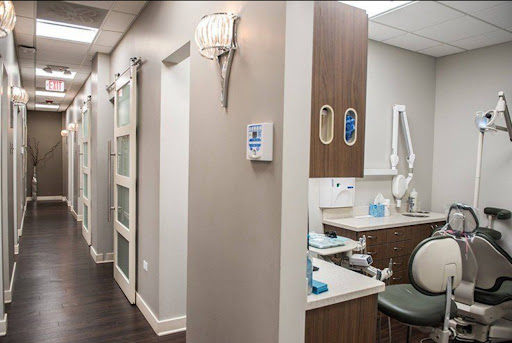
The atmosphere is beautiful the place is very clean. Very professional service. I went in for a free consultation. They were very thorough at explaining everything. I will be coming back and I Recommend them.


Alyssa Silvia
18:01 07 Aug 25
Response from the owner 19:44 07 Aug 25
Hi Alyssa Silvia Thanks for visiting Royal Dental Care. We truly value your feedback and your confidence in our team.
Amreen Jalal
17:03 07 Aug 25
izabela was so sweet and made the entire appointment very easy and enjoyable. the environment was really friendly, welcoming and clean. would definitely recommend to others, they’re very thorough with their work!
Response from the owner 19:44 07 Aug 25
Hi Amreen Jalal Thanks for taking the time to leave a review. Your input helps us continue providing high-quality care at Royal Dental Care.
LUKASZ WROBLEWSKI
20:19 05 Aug 25
This is a great place for those who want a gentle dentist, a thorough hygienist, and friendly staff. Everyone is so nice, and the whole office is clean and modern.
Response from the owner 19:44 07 Aug 25
Hi LUKASZ WROBLEWSKI Thank you for your kind words. We're so pleased to know you had a great experience at Royal Dental Care. 
Katherine Dynak
19:39 05 Aug 25
Pretty good service
Response from the owner 19:44 07 Aug 25
Hi Katherine Dynak Your feedback means a lot to our team. We're committed to continuing the excellent care you’ve come to expect. 
Melissa
16:29 05 Aug 25
Very friendly staff. Professional, I’ve been coming here for years now
Response from the owner 19:44 07 Aug 25
Hi Melissa We appreciate your support and are grateful you chose Royal Dental Care for your dental needs. Looking forward to seeing you again. 
Bobby Anderson
23:23 04 Aug 25
I love this place! Been coming for years. I’ve had a lot of work done lol
Response from the owner 19:44 07 Aug 25
Hi Bobby Anderson Thank you for your kind words. We're so pleased to know you had a great experience at Royal Dental Care. 
Rosa Rendon
23:06 04 Aug 25
Very good experience, Israa was amazing and did a great job
Response from the owner 19:44 07 Aug 25
Hi Rosa Rendon Your feedback means a lot to our team. We're committed to continuing the excellent care you’ve come to expect.