


Is Early Orthodontic Treatment Necessary for Kids in Schaumburg?
As parents, we spend a lot of time monitoring milestones. We track the first steps, the first words, and eventually, the first lost tooth. But when it comes to straight teeth and healthy bites, many parents in Schaumburg wonder: “Do we really need to worry about braces while they still have baby teeth?”
It’s a fair question. Traditional wisdom used to suggest waiting until the teenage years when all the permanent teeth were in. However, modern dentistry and orthodontics have shifted toward a more proactive approach. At Royal Dental Care, we often see that “waiting and seeing” can sometimes turn a simple fix into a complex, multi-year ordeal.
So, is early orthodontic treatment actually necessary? Let’s dive into what “early” really means, why the age of seven is so important, and how we handle these growing smiles right here in Schaumburg.
The “Magic Age” of Seven
The American Association of Orthodontists recommends that every child have their first orthodontic evaluation by the age of seven.
This doesn’t mean your second grader is going to walk out with a full set of metal braces. In fact, most kids who come in for an early evaluation won’t start treatment right away. However, seven is the “sweet spot” because, by this age, children have a mix of baby teeth and permanent teeth. This gives us a clear window into how the jaw is growing and how the adult teeth are planning to arrive.
Why not wait until they are 12?
By age 12 or 13, the jaw has finished much of its primary growth. If there is a significant skeletal issue, like a narrow palate or a severe underbite, it is much harder and sometimes more painful to correct once the bones have fused. By starting early, we can guide the growth of the jaw while it is still flexible.
What Exactly is Early Treatment?
In the dental world, we call this Phase 1 Treatment or Interceptive Orthodontics. Think of it as the foundation. Just like you wouldn’t build a house on a crooked foundation, Phase 1 ensures the “house” (your child’s mouth) has enough room and the right shape for everything to fit perfectly later.
Phase 1 typically happens between ages 6 and 10. The goal isn’t necessarily to make the teeth look perfect (that’s what Phase 2 is for), but rather to address functional problems that could cause trouble down the road.
5 Signs Your Child Might Need Early Intervention
While only a professional evaluation at Royal Dental Care can give you a definitive answer, there are a few things parents can look for at home:
- Early or Late Loss of Baby Teeth: If baby teeth fall out too early due to decay or injury, the surrounding teeth can “drift,” blocking the path for adult teeth.
- Difficulty Chewing or Biting: If your child frequently bites their cheek or struggles to chew comfortably, it may indicate a bite misalignment.
- Mouth Breathing: Persistent mouth breathing can actually change the shape of the face and jaw over time.
- Prolonged Habits: Thumb-sucking or pacifier use past the age of five can push the front teeth forward and narrow the upper jaw.
- Crowding: If the adult front teeth are coming in and there is clearly no room for them, early expansion can prevent future extractions.
The Benefits of Being Proactive
If your child does need early treatment, it’s not just about the “look” of the smile. There are several long-term health and financial benefits:
Reducing the Need for Extractions
One of the most common reasons for Phase 1 treatment is to create space. By using a palate expander to gently widen the upper jaw, we can often make enough room for all the adult teeth to fit. This significantly reduces the chances that your child will need to have healthy permanent teeth pulled later due to crowding.
Correcting Bite Issues Early
Problems like crossbites (where the upper teeth sit inside the lower teeth) can cause the jaw to grow lopsided. Correcting this while the child is young ensures the face develops symmetrically.
Lowering the Risk of Trauma
Kids are active, especially here in Schaumburg with our local sports leagues and park districts. If a child has protruding front teeth (often called “buck teeth”), those teeth are much more likely to be chipped or knocked out during a fall or a sports injury. Brining them back into a safer position early on protects that investment.
Improving Self-Esteem
We can’t overlook the social aspect. Children can be self-conscious about their teeth as early as elementary school. A Phase 1 win, even just straightening the front four teeth, can give a child a huge boost in confidence during their formative years.
How Royal Dental Care Approaches Kids’ Orthodontics
At Royal Dental Care, we believe in a conservative yet vigilant approach. We aren’t here to put braces on every child who walks through the door. Our process is built on trust and transparency:
- The Observation Phase: If your child does not need immediate help, we put them on our Growth and Guidance program. We will see them once or twice a year to monitor their development at no cost to you until the time is right.
- Tailored Solutions: Every mouth is different. Some kids might need a simple space maintainer, while others might benefit from limited braces or even Invisalign First.
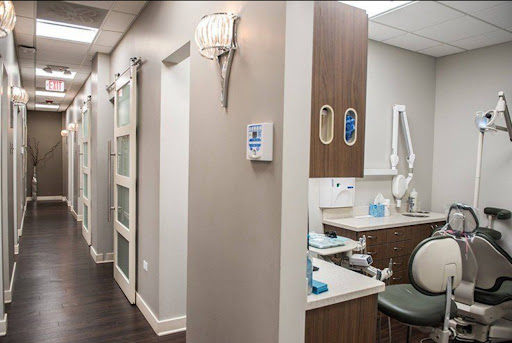
- Comfort First: We know the dentist can be scary. Our Schaumburg office is designed to be welcoming and low-stress for kids and parents.
The Two-Phase Journey: What to Expect
If we determine that early treatment is necessary, it usually follows this roadmap:
- Phase 1 (Ages 7–10): Focuses on jaw alignment and creating space. This phase usually lasts 9–14 months.
- The Resting Period: A “break” where we wait for the remaining adult teeth to erupt. We monitor the progress with occasional check-ins.
- Phase 2 (Ages 11–13): This is the traditional orthodontic phase where we use full braces or aligners to move every tooth into its final, perfect position. Because of the work done in Phase 1, this stage is usually much faster and more predictable.
Frequently Asked Questions
Q: Does early treatment mean my child won’t need braces as a teenager?
A: Not necessarily. Phase 1 solves structural and foundational issues. Most children will still need a second phase (Phase 2) to fine-tune the alignment of all the permanent teeth. However, Phase 2 is typically much shorter and less intensive because the heavy lifting was done during Phase 1.
Q: Is it expensive to do two phases?
A: While it involves two separate periods of treatment, early intervention can actually save money in the long run. By preventing the need for jaw surgery or permanent tooth extractions, you avoid much more costly and invasive procedures later in life.
Q: Will my child be in pain?
A: Modern orthodontic appliances are designed for comfort. While there might be some minor “tightness” after an adjustment, most kids adapt within a day or two. We focus on gentle, steady movement.
Conclusion: Investing in a Lifetime of Smiles
So, is early orthodontic treatment necessary? For many children in Schaumburg, the answer is a resounding yes. While not every child needs Phase 1, every child does need an evaluation.
By catching potential issues early, you are not just giving your child a straighter smile. You are giving them a healthier jaw, better oral function, and the confidence to smile through their school years and beyond.
If your child is seven or older and has not seen an orthodontist yet, come see us at Royal Dental Care. We will take a look, give you an honest assessment, and help you plan for a bright, healthy future.
Ready to check in on your child’s smile? Contact Royal Dental Care in Schaumburg today to schedule a consultation!
Real Patients. Real Reviews.



Luke
1 year ago
Isabella was great!! Highly recommend her

Julia Swider
1 year ago
Great experience, everyone is very kind and patient. Take time to educate you on what is going on, which is much appreciated. Highly recommend!
Response from the owner
Hi Julia,
Thank you for leaving us a review! Your feedback is appreciated.2 years ago

Pawel Blaszczak
1 year ago

Casey Kinsella
1 year ago
The atmosphere was great. The professionals were friendly. The communication between the office, dentist and patient was awful. I’ve found this with most dentist offices that once they get your money, they forget about you. Not happy with the customer service.

Scott Donaldson
1 year ago

Szymon Szuster
1 year ago

Ozzie Skenderi
1 year ago
Everyone is so nice and helpful!! They are great!!
Response from the owner
Hi Ozzie,
We appreciate you taking the time to provide your feedback. We're happy to hear you had a positive experience at our practice!2 years ago

Jacqueline Hernandez
1 year ago
Really clean and great service

Rafal Raszewski
1 year ago

vivian trankina (viv)
1 year ago
amazing service everyone is kind here i’ve been going here for about 2 ywars

Keluarga Bahagia
1 year ago
Since I moved from another dentist to this Royal Dental treatment has felt so amazing, all the women who work at the desk are very kind to help me and my husband for scheduling, especially for me a dental cleaner who cleans my teeth Lois is my favorite, she is very friendly and does clean details. The dentist is also good, twice helped by the dentist forgot his name, he is also very helpful to check, for all the good and happy come to this Kingdom's teeth

Karina Czajko
1 year ago
Very professional, always respectful! Highly recommend!

Yoly navarrete
1 year ago
The atmosphere is beautiful the place is very clean. Very professional service. I went in for a free consultation. They were very thorough at explaining everything. I will be coming back and I Recommend them.


Alyssa Silvia
1 year ago
Response from the owner
Hi Alyssa Silvia Thanks for visiting Royal Dental Care. We truly value your feedback and your confidence in our team.
1 year ago

Amreen Jalal
1 year ago
izabela was so sweet and made the entire appointment very easy and enjoyable. the environment was really friendly, welcoming and clean. would definitely recommend to others, they’re very thorough with their work!
Response from the owner
Hi Amreen Jalal Thanks for taking the time to leave a review. Your input helps us continue providing high-quality care at Royal Dental Care.
1 year ago

LUKASZ WROBLEWSKI
1 year ago
This is a great place for those who want a gentle dentist, a thorough hygienist, and friendly staff. Everyone is so nice, and the whole office is clean and modern.
Response from the owner
Hi LUKASZ WROBLEWSKI Thank you for your kind words. We're so pleased to know you had a great experience at Royal Dental Care. 1 year ago

Katherine Dynak
1 year ago
Pretty good service
Response from the owner
Hi Katherine Dynak Your feedback means a lot to our team. We're committed to continuing the excellent care you’ve come to expect. 1 year ago

Melissa
1 year ago
Very friendly staff. Professional, I’ve been coming here for years now
Response from the owner
Hi Melissa We appreciate your support and are grateful you chose Royal Dental Care for your dental needs. Looking forward to seeing you again. 1 year ago

Bobby Anderson
1 year ago
I love this place! Been coming for years. I’ve had a lot of work done lol
Response from the owner
Hi Bobby Anderson Thank you for your kind words. We're so pleased to know you had a great experience at Royal Dental Care. 1 year ago

Rosa Rendon
1 year ago
Very good experience, Israa was amazing and did a great job
Response from the owner
Hi Rosa Rendon Your feedback means a lot to our team. We're committed to continuing the excellent care you’ve come to expect. 1 year ago