
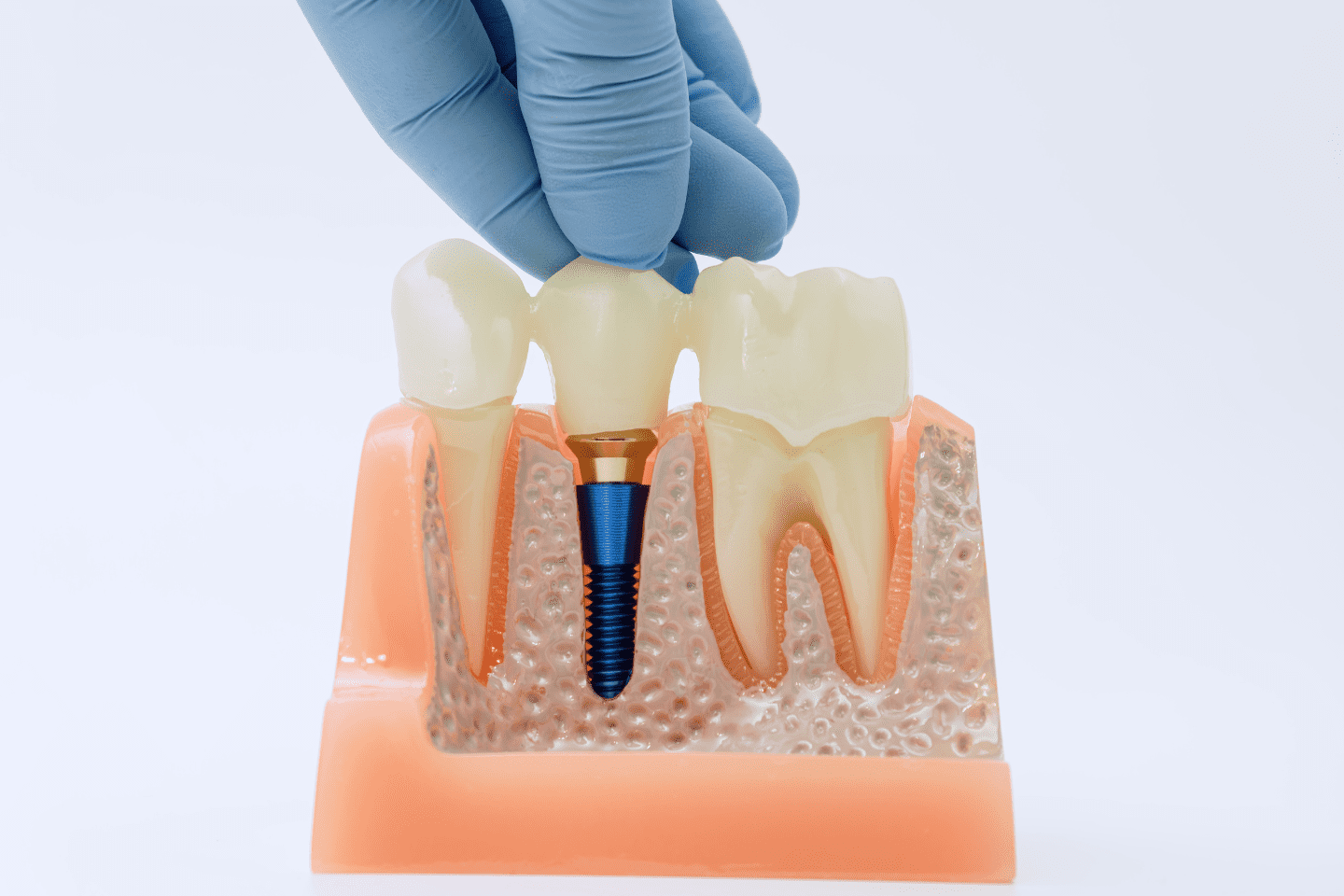

Can I Eat Normally with a Dental Bridge? Norridge Dentist Guide
One of the greatest joys in life is sitting down to a fantastic meal. Whether you are grabbing a deep dish pizza near the Harlem Irving Plaza or enjoying a home cooked steak dinner in Norridge, being able to chew without thinking twice is something most people take for granted. However, when you lose a tooth, that simple pleasure can become a source of anxiety. You start to favor one side of your mouth. You avoid crunchy vegetables. You might even stop ordering your favorite appetizers because they are too difficult to manage.
This is where a dental bridge comes in to save the day. It is one of the most reliable ways to “bridge” the gap left by a missing tooth, restoring both your appearance and your ability to chew. But a common question we hear at Royal Dental Care is whether you can truly go back to eating normally once the bridge is in place. The answer is a resounding yes, but there is a small learning curve and a few “house rules” you should know to keep your new smile in top shape for years to come.
The Story of the Timid Foodie
Let us look at the experience of a local Norridge resident named Maria. Maria had lost a molar several years ago and had grown used to chewing exclusively on the left side of her mouth. This habit started causing her jaw pain and even led to some premature wear on her healthy teeth. When she finally decided to get a fixed bridge at Royal Dental Care, she was thrilled with how it looked in the mirror. However, at her first dinner outing, she was terrified. She stared at a plate of crusty bread and wondered if the bridge would snap or come loose if she took a big bite.
Maria spent the first week eating nothing but yogurt and lukewarm soup. She was so worried about “breaking” her investment that she wasn’t actually enjoying the benefits of it. During her follow up appointment, we explained that while she did need to be careful with a few specific textures, the bridge was designed to handle the heavy lifting of daily meals. Once Maria understood how to distribute the pressure and which foods to approach with caution, she regained her confidence. Today, she eats almost everything she used to, and her jaw pain has completely vanished because her bite is finally balanced again.
What to Expect in the First Few Days
When you first get your bridge, your mouth needs a little time to adjust to the new “guest.” Your tongue will likely spend a lot of time exploring the new contours, and your brain needs to relearn how to coordinate your chewing muscles.
Start with Soft Foods
For the first twenty-four to forty eight hours, stick to a soft diet. Things like scrambled eggs, pasta, mashed potatoes, and smoothies are your best friends. This gives the dental cement time to fully set and allows any minor gum sensitivity from the procedure to subside. If you have also recently had restorative dentistry on the anchor teeth, they might be slightly sensitive to extreme temperatures, so lukewarm meals are ideal.
Gradually Reintroduce Textures
By the third or fourth day, you can start adding more solid foods back into the mix. Try some steamed vegetables or soft chicken. The key is to chew slowly and use both sides of your mouth. This helps “train” your jaw to recognize the new support provided by the bridge.
Foods to Approach with Caution
While a bridge is very strong, it is not indestructible. It is held in place by crowns on either side of the gap. To ensure your bridge lasts for a decade or more, there are a few “danger zone” foods you should handle with care.
The “Sticky and Tacky” Trap
Foods like taffy, caramel, and heavy gummy candies are the biggest enemies of dental bridges. These treatments can create a powerful suction effect that can pull at the margins of your crowns. Over time, this can break the seal of the cement, allowing bacteria to seep underneath and cause decay on the anchor teeth. If you do indulge in something sweet, try to keep it away from the bridge area.
Hard and Crunchy Obstacles
Biting directly into a hard candy, an unpopped popcorn kernel, or even a very hard pretzel can cause the porcelain on the bridge to chip. Just like your natural enamel, porcelain has a breaking point. We also suggest being careful with ice cubes. Chewing on ice is a leading cause of broken dental work in Norridge.
Tough Meats and Raw Vegetables
You can absolutely eat steak and carrots, but the “how” matters. Instead of using your front teeth or the bridge to tear into a thick piece of meat, cut it into smaller, bite sized pieces. For raw carrots or apples, slicing them up makes them much easier to manage and puts far less stress on the bridge than biting into them whole.
Cleaning Under Your Bridge (Daily Hygiene)
Eating normally with a bridge also means cleaning it normally. Because a bridge is a solid piece of porcelain, food particles can sometimes get trapped underneath the “pontic” (the artificial tooth). If this debris stays there, it can lead to bad breath and gum inflammation.
We recommend using a specialized bridge threader or a water flosser once a day. This ensures that the area where the bridge meets the gum stays perfectly clean. Maintaining excellent oral health is the secret to a bridge that stays comfortable and functional for the long haul. If you ever notice a lingering bad taste or if the bridge feels “loose” while chewing, it is a sign that you should visit us for a quick check.
Dental Bridge vs. Implant: Which Has Fewer Food Restrictions?
Both dental bridges and dental implants let most patients return to a normal diet, but there are a few honest differences worth knowing. A bridge relies on the neighboring teeth for support, so very hard, sticky, or tough foods can put extra strain on those supporting teeth and the bridge itself over time. A dental implant, on the other hand, is anchored directly into the jawbone and functions much like a natural tooth root, which generally means fewer long-term food restrictions and slightly more confidence biting into harder foods once it’s fully healed. That said, a well-placed and well-maintained bridge still allows the vast majority of your favorite foods — the right choice for you depends on your oral health, budget, and goals, so it’s worth discussing both options with your dentist.
For our younger patients or those with specific growth patterns, we also monitor how missing teeth affect the overall alignment. This is why pediatric dentistry and early intervention are so important; we want to make sure the jaw has enough space for future restorations if they are ever needed.
Reclaim Your Favorite Meals in Norridge
Don’t let a missing tooth dictate what you order for dinner. A dental bridge is a proven, reliable way to restore your chewing power and your self-esteem. At Royal Dental Care, we take pride in crafting restorations that are as durable as they are beautiful. Our goal is to get you back to enjoying the diverse food scene in Norridge without a second thought about your teeth.
Are you tired of avoiding your favorite foods? Contact Royal Dental Care in Norridge today to schedule a consultation and see if a dental bridge is the right solution for your smile.
Frequently Asked Questions
Q: Will my speech change with a dental bridge?
A: You might notice a slight lisp for the first day or two as your tongue adjusts to the new tooth. However, once you start eating and talking normally, your speech will return to its natural sound very quickly.
Q: Can I chew gum with a bridge?
A: We generally recommend sugar-free gum if you must chew it, but try to avoid heavy, sticky gums. The constant pulling can eventually weaken the bond of the bridge over several years.
Q: How long does it take for the “weird” feeling to go away?
A: Most patients tell us that within a week, they forget the bridge is even there. It becomes a seamless part of their mouth.
Q: What if the bridge feels “high” when I bite down?
A: This is a common issue that is very easy to fix. If your bite feels uneven, come back to Royal Dental Care for a five-minute adjustment. We can smooth the porcelain so that your teeth meet perfectly.
Q: Can I get Invisalign if I have a bridge?
A: Bridges can complicate orthodontic movement because they connect multiple teeth. If you are considering aligners, it is usually best to do that before getting a permanent bridge placed.
Real Patients. Real Reviews.



Luke
1 year ago
Isabella was great!! Highly recommend her

Julia Swider
1 year ago
Great experience, everyone is very kind and patient. Take time to educate you on what is going on, which is much appreciated. Highly recommend!
Response from the owner
Hi Julia,Thank you for leaving us a review! Your feedback is appreciated.2 years ago

Pawel Blaszczak
1 year ago

Casey Kinsella
1 year ago
The atmosphere was great. The professionals were friendly. The communication between the office, dentist and patient was awful. I’ve found this with most dentist offices that once they get your money, they forget about you. Not happy with the customer service.

Scott Donaldson
1 year ago

Szymon Szuster
1 year ago

Ozzie Skenderi
1 year ago
Everyone is so nice and helpful!! They are great!!
Response from the owner
Hi Ozzie,We appreciate you taking the time to provide your feedback. We're happy to hear you had a positive experience at our practice!2 years ago

Jacqueline Hernandez
1 year ago
Really clean and great service

Rafal Raszewski
1 year ago

vivian trankina (viv)
1 year ago
amazing service everyone is kind here i’ve been going here for about 2 ywars

Keluarga Bahagia
1 year ago
Since I moved from another dentist to this Royal Dental treatment has felt so amazing, all the women who work at the desk are very kind to help me and my husband for scheduling, especially for me a dental cleaner who cleans my teeth Lois is my favorite, she is very friendly and does clean details. The dentist is also good, twice helped by the dentist forgot his name, he is also very helpful to check, for all the good and happy come to this Kingdom's teeth

Karina Czajko
1 year ago
Very professional, always respectful! Highly recommend!

Yoly navarrete
1 year ago
The atmosphere is beautiful the place is very clean. Very professional service. I went in for a free consultation. They were very thorough at explaining everything. I will be coming back and I Recommend them.

Alyssa Silvia
1 year ago
Response from the owner
Hi Alyssa Silvia Thanks for visiting Royal Dental Care. We truly value your feedback and your confidence in our team.1 year ago

Amreen Jalal
1 year ago
izabela was so sweet and made the entire appointment very easy and enjoyable. the environment was really friendly, welcoming and clean. would definitely recommend to others, they’re very thorough with their work!
Response from the owner
Hi Amreen Jalal Thanks for taking the time to leave a review. Your input helps us continue providing high-quality care at Royal Dental Care.1 year ago

LUKASZ WROBLEWSKI
1 year ago
This is a great place for those who want a gentle dentist, a thorough hygienist, and friendly staff. Everyone is so nice, and the whole office is clean and modern.
Response from the owner
Hi LUKASZ WROBLEWSKI Thank you for your kind words. We're so pleased to know you had a great experience at Royal Dental Care. 1 year ago

Katherine Dynak
1 year ago
Pretty good service
Response from the owner
Hi Katherine Dynak Your feedback means a lot to our team. We're committed to continuing the excellent care you’ve come to expect. 1 year ago

Melissa
1 year ago
Very friendly staff. Professional, I’ve been coming here for years now
Response from the owner
Hi Melissa We appreciate your support and are grateful you chose Royal Dental Care for your dental needs. Looking forward to seeing you again. 1 year ago

Bobby Anderson
1 year ago
I love this place! Been coming for years. I’ve had a lot of work done lol
Response from the owner
Hi Bobby Anderson Thank you for your kind words. We're so pleased to know you had a great experience at Royal Dental Care. 1 year ago

Rosa Rendon
1 year ago
Very good experience, Israa was amazing and did a great job
Response from the owner
Hi Rosa Rendon Your feedback means a lot to our team. We're committed to continuing the excellent care you’ve come to expect. 1 year ago