

Dental Abscess vs. Toothache: How to Tell the Difference
We have all had that moment where a tooth starts acting up. Maybe it is a dull throb after a cold drink, or a persistent ache that just seems to linger. Most of us have a tendency to wait a day or two, hoping it will just magically disappear on its own. While some minor tooth sensitivity can be temporary, other types of pain are your body’s way of sounding a serious alarm.
One of the most important things you can learn as a patient is the difference between a simple toothache and a dental abscess. If you are ever in pain and feeling unsure, please know that we are here at Royal Dental Care to help you sort through it. Understanding the signs can literally be the difference between a quick fix and a serious emergency.
What Is a Regular Toothache?
A toothache is a broad term for pain in or around a tooth. It is often caused by things like minor decay, a small fracture, or even gum irritation.
Usually, a standard toothache is triggered by a specific stimulus. You might feel pain when you eat something sweet, cold, or hot. Once the stimulus is gone, the pain often fades away relatively quickly. It might be annoying, and it might be something you should get checked out soon, but it typically does not make you feel like you are in a state of total crisis. You might feel a little tender, but you can usually go about your day.
The Reality of a Dental Abscess
A dental abscess is an entirely different story. An abscess is a pocket of infection that has built up at the root of a tooth or in the gums. It is not just “pain”—it is a sign that bacteria have invaded deep into the tooth structure or the surrounding tissues, and your body is struggling to contain the infection.
Unlike a simple toothache, an abscess often comes with symptoms that make it very difficult to ignore. The pain is usually intense, persistent, and throbbing. It does not just come and go when you eat or drink; it stays with you, often throbbing in time with your heartbeat.
How to Spot the Warning Signs of an Abscess
If you are wondering whether your pain has escalated into something more serious, look for these specific red flags:
Visible Swelling
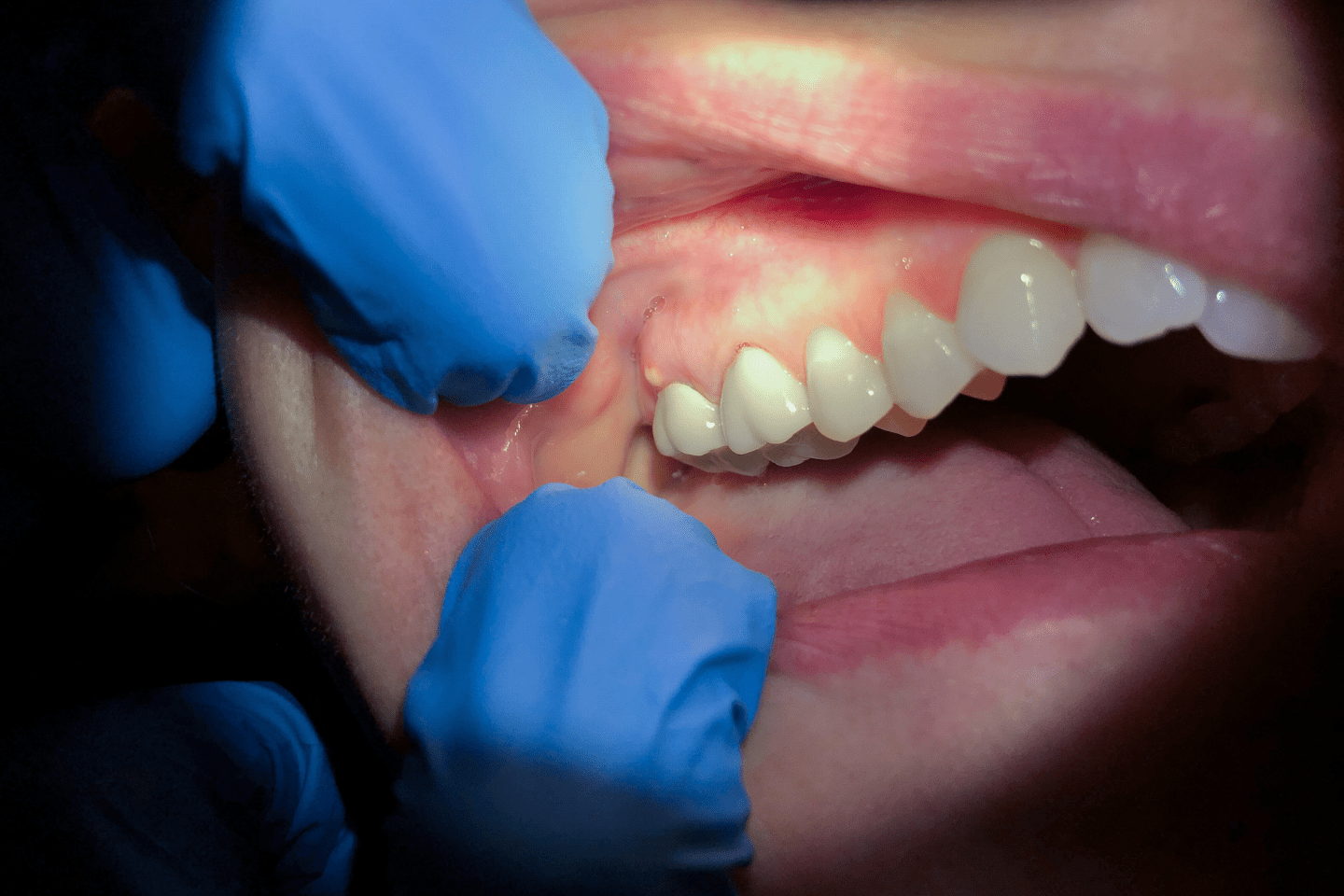
This is a major indicator. You might see a pimple like bump on your gums near the sore tooth. This is often where the infection is trying to drain. Additionally, you might notice swelling in your cheek, your face, or even your jaw.
A Bad Taste or Smell
Sometimes, if an abscess ruptures, you might notice a sudden, foul tasting fluid in your mouth. This is the pus from the infection draining. It is a sign that the infection is active and needs professional attention immediately.
Fever and Chills
When your body is fighting a significant infection, it often responds with a systemic reaction. If you have a toothache and you suddenly feel feverish, shivery, or just generally run down, that is a sign the infection is spreading beyond your mouth.
Difficulty Swallowing or Breathing
This is the most critical warning. If the swelling in your mouth or neck starts to interfere with your ability to swallow or breathe, you are in a medical emergency. Do not wait for an appointment; go to the nearest emergency room.
Why You Should Never Ignore It
The biggest danger with a dental abscess is that it does not stay put. Your mouth is full of blood vessels that connect directly to the rest of your head, neck, and circulatory system. If an infection is left to its own devices, it can travel. What starts as a painful tooth can eventually lead to complications that affect your overall health.
We see people who try to “tough it out” because they are afraid of the dentist or worried about the cost. But the irony is that an abscess will never heal on its own. The longer you wait, the more complex, painful, and costly the treatment becomes. When you seek help early, exploring emergency dental care options can often help save the tooth and stop the infection before it turns into a life threatening situation.
When to Call Us at Royal Dental Care
If you have a toothache that is keeping you up at night, or if you feel any swelling, please call us. You do not have to wait for the pain to become unbearable to be seen. Our goal is to provide relief and get you back to feeling like yourself.
Even if you are not sure if it is an abscess, it is always better to be safe. We would much rather see you for a quick checkup and find out it is a minor issue than have you suffer through an infection that is getting progressively worse.
Frequently Asked Questions on Dental Abscess
Can I use over the counter medicine to treat an abscess?
A: Over the counter medication might help take the edge off the pain for a few hours, but it does absolutely nothing to treat the infection itself. An abscess requires professional care to drain the infection and treat the source of the problem.
Is an abscess contagious?
No, a dental abscess is not contagious. It is an infection caused by bacteria already present in your mouth that have traveled into an area where they should not be.
What is the treatment for an abscess?
Treatment typically involves draining the abscess to remove the infection. We may also perform a root canal to save the tooth or, if the tooth is too damaged, we might need to extract it. We will discuss the best path for your specific situation.
Why does it throb?
The throbbing sensation is caused by the pressure of the accumulating pus and the inflammation of the tissues around the root. It is your body’s inflammatory response to the bacterial invasion.
Can I just rinse with salt water until it goes away?
Salt water rinses can be soothing and can help keep the area clean, but they cannot cure an infection that is inside the tooth or bone. Do not rely on home remedies to treat an abscess.
How quickly can an abscess become serious?
An abscess can progress very quickly. Because of the proximity to your brain and throat, you should never ignore signs of facial swelling or fever. If you feel these symptoms, seek help right away.
Real Patients. Real Reviews.



Luke
1 year ago
Isabella was great!! Highly recommend her

Julia Swider
1 year ago
Great experience, everyone is very kind and patient. Take time to educate you on what is going on, which is much appreciated. Highly recommend!
Response from the owner
Hi Julia,
Thank you for leaving us a review! Your feedback is appreciated.2 years ago

Pawel Blaszczak
1 year ago

Casey Kinsella
1 year ago
The atmosphere was great. The professionals were friendly. The communication between the office, dentist and patient was awful. I’ve found this with most dentist offices that once they get your money, they forget about you. Not happy with the customer service.

Scott Donaldson
1 year ago

Szymon Szuster
1 year ago

Ozzie Skenderi
1 year ago
Everyone is so nice and helpful!! They are great!!
Response from the owner
Hi Ozzie,
We appreciate you taking the time to provide your feedback. We're happy to hear you had a positive experience at our practice!2 years ago

Jacqueline Hernandez
1 year ago
Really clean and great service

Rafal Raszewski
1 year ago

vivian trankina (viv)
1 year ago
amazing service everyone is kind here i’ve been going here for about 2 ywars

Keluarga Bahagia
1 year ago
Since I moved from another dentist to this Royal Dental treatment has felt so amazing, all the women who work at the desk are very kind to help me and my husband for scheduling, especially for me a dental cleaner who cleans my teeth Lois is my favorite, she is very friendly and does clean details. The dentist is also good, twice helped by the dentist forgot his name, he is also very helpful to check, for all the good and happy come to this Kingdom's teeth

Karina Czajko
1 year ago
Very professional, always respectful! Highly recommend!

Yoly navarrete
1 year ago
The atmosphere is beautiful the place is very clean. Very professional service. I went in for a free consultation. They were very thorough at explaining everything. I will be coming back and I Recommend them.

Alyssa Silvia
1 year ago
Response from the owner
Hi Alyssa Silvia Thanks for visiting Royal Dental Care. We truly value your feedback and your confidence in our team.
1 year ago

Amreen Jalal
1 year ago
izabela was so sweet and made the entire appointment very easy and enjoyable. the environment was really friendly, welcoming and clean. would definitely recommend to others, they’re very thorough with their work!
Response from the owner
Hi Amreen Jalal Thanks for taking the time to leave a review. Your input helps us continue providing high-quality care at Royal Dental Care.
1 year ago

LUKASZ WROBLEWSKI
1 year ago
This is a great place for those who want a gentle dentist, a thorough hygienist, and friendly staff. Everyone is so nice, and the whole office is clean and modern.
Response from the owner
Hi LUKASZ WROBLEWSKI Thank you for your kind words. We're so pleased to know you had a great experience at Royal Dental Care. 1 year ago

Katherine Dynak
1 year ago
Pretty good service
Response from the owner
Hi Katherine Dynak Your feedback means a lot to our team. We're committed to continuing the excellent care you’ve come to expect. 1 year ago

Melissa
1 year ago
Very friendly staff. Professional, I’ve been coming here for years now
Response from the owner
Hi Melissa We appreciate your support and are grateful you chose Royal Dental Care for your dental needs. Looking forward to seeing you again. 1 year ago

Bobby Anderson
1 year ago
I love this place! Been coming for years. I’ve had a lot of work done lol
Response from the owner
Hi Bobby Anderson Thank you for your kind words. We're so pleased to know you had a great experience at Royal Dental Care. 1 year ago

Rosa Rendon
1 year ago
Very good experience, Israa was amazing and did a great job
Response from the owner
Hi Rosa Rendon Your feedback means a lot to our team. We're committed to continuing the excellent care you’ve come to expect. 1 year ago