
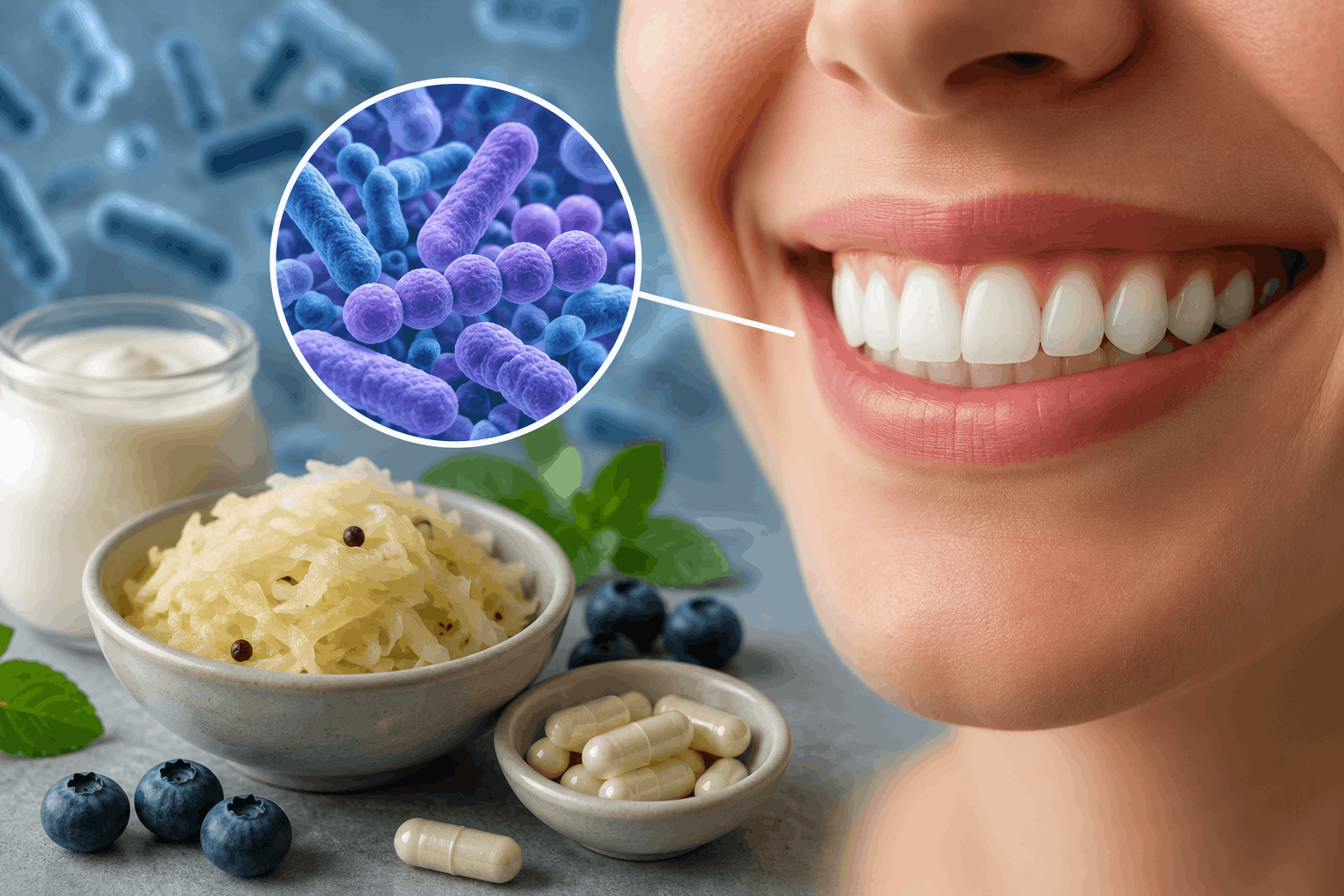

The Role of Probiotics and the Oral Microbiome in Preventing Gum Disease
Most people understand the importance of brushing, flossing, and routine dental visits for maintaining healthy teeth and gums. However, there is another important factor that often goes unnoticed: the oral microbiome.
Your mouth contains a complex community of bacteria and other microorganisms that constantly interact with your teeth, gums, tongue, and saliva. While some bacteria contribute to dental problems, many play an essential role in maintaining oral health. When this delicate balance is disrupted, the risk of gum disease and other oral health concerns can increase.
In recent years, probiotics have gained attention for their potential role in supporting a healthy oral microbiome. While probiotics are commonly associated with digestive health, researchers continue to explore how certain beneficial bacteria may contribute to healthier gums and improved oral wellness.
At Royal Dental Care Norridge, we believe patient education is an important part of preventive care. Understanding how the oral microbiome works can help you make informed decisions about protecting your smile.
What Is the Oral Microbiome?
The oral microbiome refers to the collection of bacteria, fungi, viruses, and other microorganisms that naturally live inside the mouth.
A healthy oral microbiome contains a balance of beneficial and potentially harmful microorganisms. When this balance is maintained, these microbes work together to support healthy gums, teeth, and oral tissues.
However, certain factors can disrupt this balance, including:
- Poor oral hygiene
- Smoking and tobacco use
- High-sugar diets
- Dry mouth
- Certain medications
- Chronic health conditions
When harmful bacteria begin to outnumber beneficial bacteria, inflammation and infection may develop, increasing the risk of gum disease.
Understanding Gum Disease and Bacterial Imbalance
Gum disease, also known as periodontal disease, begins when bacteria accumulate along the gumline and trigger inflammation.
Early Stage: Gingivitis
Gingivitis is the earliest stage of gum disease and is often characterized by:
- Red or swollen gums
- Bleeding during brushing or flossing
- Gum tenderness
- Persistent bad breath
At this stage, the condition is typically reversible with proper oral hygiene routine and professional dental care.
Advanced Gum Disease
If gingivitis is left untreated, it can progress into periodontitis, a more serious condition that affects the supporting structures around the teeth.
Advanced gum disease may lead to:
- Gum recession
- Bone loss
- Loose teeth
- Tooth loss
- Chronic oral inflammation
Maintaining a balanced oral microbiome may help support healthier gums and reduce the factors that contribute to periodontal disease.
What Are Probiotics?
Probiotics are live microorganisms that may provide health benefits when consumed in appropriate amounts.
Most people associate probiotics with digestive health, but certain probiotic strains are being studied for their potential benefits within the oral cavity.
The goal of oral probiotics is not to eliminate bacteria completely. Instead, they aim to support a healthier balance between beneficial and harmful microorganisms.
How Probiotics May Support Gum Health
Research into oral probiotics continues to evolve, but several potential benefits have been identified.
Supporting Microbial Balance
Beneficial bacteria may help compete with harmful bacteria for space and nutrients within the mouth.
By supporting a healthier bacterial environment, probiotics may contribute to improved oral wellness.
Helping Reduce Plaque Accumulation
Some probiotic strains may help limit the growth of bacteria associated with plaque formation and gum inflammation.
Although probiotics should never replace brushing and flossing, they may complement an existing oral hygiene routine.
Supporting Healthier Gums
A balanced oral microbiome may help reduce the inflammatory response associated with gum disease, contributing to healthier gum tissues over time.
Promoting Fresher Breath
Certain oral bacteria produce compounds that contribute to unpleasant breath odours. Some probiotic strains may help support a healthier oral environment and improve breath freshness.
Sources of Probiotics
There are several ways to introduce probiotics into your daily routine.
Probiotic-Rich Foods
Many foods naturally contain beneficial bacteria, including:
- Yogurt with live cultures
- Kefir
- Sauerkraut
- Kimchi
- Miso
- Fermented vegetables
Including these foods as part of a balanced diet may support both oral and overall health.
Oral Probiotic Supplements
Specialized oral probiotics are available in forms such as:
- Lozenges
- Chewable tablets
- Powders
- Dissolvable tablets
These products are designed to allow beneficial bacteria to interact directly with the oral tissues.
Before beginning any supplement, it is always a good idea to discuss your options with your dental healthcare provider.
Probiotics Are Not a Substitute for Good Oral Hygiene
While probiotics show promise in supporting oral health, they should never be viewed as a replacement for traditional preventive care.
The foundation of healthy gums still includes:
- Brushing twice daily
- Daily flossing
- Professional dental cleanings
- Routine dental examinations
- A balanced diet
- Avoiding tobacco products
Probiotics may serve as an additional tool within a comprehensive oral health strategy rather than a standalone solution.
Supporting Healthy Gums at Royal Dental Care Norridge
Protecting your gums involves more than simply treating problems after they occur. Preventive dental care focuses on maintaining a healthy oral environment and addressing potential concerns before they become more serious.
At Royal Dental Care Norridge, we take a comprehensive approach to oral health by helping patients understand the factors that contribute to healthy gums and long-term wellness.
Whether you have questions about gum disease prevention, oral hygiene habits, or emerging topics such as probiotics, our team is here to provide guidance tailored to your needs.
Regular dental visits, professional cleanings, and consistent home care remain some of the most effective ways to maintain a healthy smile for years to come.
Frequently Asked Questions on Role of Probiotics in Preventing Gum Disease
Are oral probiotics the same as digestive probiotics?
Not always. While some probiotic strains may support both digestive and oral health, oral probiotics are often specifically selected for their ability to survive and function within the unique environment of the mouth.
Can probiotics prevent gum disease?
Probiotics may help support a healthier oral microbiome, which could contribute to improved gum health. However, they should be viewed as a supplement to good oral hygiene rather than a guaranteed method of preventing gum disease.
Do I still need to floss if I use probiotics?
Absolutely. Probiotics cannot physically remove plaque and food particles between teeth. Daily flossing remains an essential part of maintaining healthy gums.
Can probiotics treat existing gum disease?
No. Gum disease typically requires professional dental treatment and ongoing oral hygiene care. Probiotics may provide supportive benefits but should not be considered a replacement for treatment.
How long does it take for oral probiotics to work?
Results can vary depending on the individual and the specific probiotic product being used. Consistent use over several weeks is generally necessary before any potential benefits may become noticeable.
Are oral probiotics safe?
Oral probiotics are generally considered safe for most healthy individuals. However, it is always best to consult your dentist or healthcare provider before beginning any new supplement regimen.
Real Patients. Real Reviews.



Luke
1 year ago
Isabella was great!! Highly recommend her

Julia Swider
1 year ago
Great experience, everyone is very kind and patient. Take time to educate you on what is going on, which is much appreciated. Highly recommend!
Response from the owner
Hi Julia,
Thank you for leaving us a review! Your feedback is appreciated.2 years ago

Pawel Blaszczak
1 year ago

Casey Kinsella
1 year ago
The atmosphere was great. The professionals were friendly. The communication between the office, dentist and patient was awful. I’ve found this with most dentist offices that once they get your money, they forget about you. Not happy with the customer service.

Scott Donaldson
1 year ago

Szymon Szuster
1 year ago

Ozzie Skenderi
1 year ago
Everyone is so nice and helpful!! They are great!!
Response from the owner
Hi Ozzie,
We appreciate you taking the time to provide your feedback. We're happy to hear you had a positive experience at our practice!2 years ago

Jacqueline Hernandez
1 year ago
Really clean and great service

Rafal Raszewski
1 year ago

vivian trankina (viv)
1 year ago
amazing service everyone is kind here i’ve been going here for about 2 ywars

Keluarga Bahagia
1 year ago
Since I moved from another dentist to this Royal Dental treatment has felt so amazing, all the women who work at the desk are very kind to help me and my husband for scheduling, especially for me a dental cleaner who cleans my teeth Lois is my favorite, she is very friendly and does clean details. The dentist is also good, twice helped by the dentist forgot his name, he is also very helpful to check, for all the good and happy come to this Kingdom's teeth

Karina Czajko
1 year ago
Very professional, always respectful! Highly recommend!

Yoly navarrete
1 year ago
The atmosphere is beautiful the place is very clean. Very professional service. I went in for a free consultation. They were very thorough at explaining everything. I will be coming back and I Recommend them.


Alyssa Silvia
1 year ago
Response from the owner
Hi Alyssa Silvia Thanks for visiting Royal Dental Care. We truly value your feedback and your confidence in our team.
1 year ago

Amreen Jalal
1 year ago
izabela was so sweet and made the entire appointment very easy and enjoyable. the environment was really friendly, welcoming and clean. would definitely recommend to others, they’re very thorough with their work!
Response from the owner
Hi Amreen Jalal Thanks for taking the time to leave a review. Your input helps us continue providing high-quality care at Royal Dental Care.
1 year ago

LUKASZ WROBLEWSKI
1 year ago
This is a great place for those who want a gentle dentist, a thorough hygienist, and friendly staff. Everyone is so nice, and the whole office is clean and modern.
Response from the owner
Hi LUKASZ WROBLEWSKI Thank you for your kind words. We're so pleased to know you had a great experience at Royal Dental Care. 1 year ago

Katherine Dynak
1 year ago
Pretty good service
Response from the owner
Hi Katherine Dynak Your feedback means a lot to our team. We're committed to continuing the excellent care you’ve come to expect. 1 year ago

Melissa
1 year ago
Very friendly staff. Professional, I’ve been coming here for years now
Response from the owner
Hi Melissa We appreciate your support and are grateful you chose Royal Dental Care for your dental needs. Looking forward to seeing you again. 1 year ago

Bobby Anderson
1 year ago
I love this place! Been coming for years. I’ve had a lot of work done lol
Response from the owner
Hi Bobby Anderson Thank you for your kind words. We're so pleased to know you had a great experience at Royal Dental Care. 1 year ago

Rosa Rendon
1 year ago
Very good experience, Israa was amazing and did a great job
Response from the owner
Hi Rosa Rendon Your feedback means a lot to our team. We're committed to continuing the excellent care you’ve come to expect. 1 year ago