

Dental Implants Abroad vs. Local Implant Care
When you first see the quote for a full course of dental implant treatment, it is easy to understand why looking overseas crosses your mind. Advertisements promising big savings in places like Central America, Europe, or Asia make medical tourism look like a genius money hack.
The pitch sounds amazing: fly out, stay at a resort, get your teeth fixed, and head home with a brand-new smile, all for less than the cost of treatment in your home city.
Except surgery rarely works like a simple vacation package. Implants need careful planning, months of healing, and a reliable provider nearby when questions come up down the road.
Let’s break down what really happens when you trade local dental care for an international flight.
Why Traveling Overseas Sounds So Tempting
It usually comes down to simple math. Specialized surgical training, quality materials, facility standards, and overhead all shape the cost of dental implants at home.
When you start browsing overseas clinics, a few factors make their numbers look hard to ignore:
- Lower Everyday Costs: Operating a clinic overseas can come with lower overhead, staffing costs, and facility expenses.
- All-Inclusive Dental Packages: International offices often include airport rides, hotel arrangements, and private drivers to make the trip feel smooth.
- Favorable Exchange Rates: Depending on where you land, your dollars may stretch much further than they do locally.
The Unspoken Risks of Overseas Implant Work
Saving money upfront feels great in the moment, but dental implants are not like buying a product off a shelf. They are medical devices anchored directly into your living jawbone. Heading thousands of miles away for that kind of care opens the door to a few distinct headaches:
The Timeline Conflict
Getting an implant is almost never a quick, single-trip deal. First, you are evaluated and any necessary bone grafting is taken care of. Next comes the surgical placement of the implant post. After that, your jaw needs several months to heal and bond with the post before the final crown can be attached. You can see the full sequence in our guide to what to expect from the dental implant procedure.
Trying to rush all of those clinical steps into one tight vacation week is risky. It can force squeezed healing times and often ends up requiring multiple costly flights back and forth anyway.
What Happens When You Get Home?
Imagine coming home and noticing a loose crown, a sore spot, or an infection brewing months later. What then?
Many local dentists hesitate to repair implant hardware placed overseas, especially if the clinic used unfamiliar brands or uncommon parts. Treating a failing implant or handling post-op issues locally can quickly eat up whatever money you saved on the flight.
Mixed Equipment and Quality Standards
Plenty of international surgeons are highly skilled, but health regulations vary across borders. Some budget-focused clinics may use generic or off-brand implant components that lack long-term clinical research or standard warranties.
The Practical Advantages of Staying Local
Choosing a dental office nearby removes a mountain of travel logistics and gives you safety nets that an overseas trip just can’t match:
- Continuous Care: Your dental team is right down the street whenever you need a quick bite adjustment, an X-ray check, or peace of mind.
- Local Accountability: A nearby practice is licensed in your state and easy to reach, so you always know who is responsible for your care.
- Easier Follow-Up: When your implant work is done close to home, any dentist on the team can see your records and pick up where the last visit left off.
Local Implant Care in Schaumburg, IL
Trying to balance upfront cost with long-term peace of mind isn’t easy. Having a supportive, hands-on local team makes navigating your care and options much simpler.
At Royal Dental Care in Schaumburg, patients receive individualized implant treatment in Schaumburg built around their health needs and budget. We care for individuals and families across Schaumburg, Hoffman Estates, Palatine, and surrounding neighborhoods.
Whether you need a single tooth replacement, an implant bridge, or full-arch restoration, we provide clear, upfront pricing during your consultation and offer flexible payment plans and financing options so you can get care without leaving the country.
Making the Right Choice for Your Smile
If you are stuck between booking a flight and staying local, take a step back to evaluate the full picture. Remember to factor in travel tickets, hotel stays, missed work, follow-up trips, and the potential cost of fixing unexpected complications down the line.
For most people, the safety, predictability, and long-term convenience of getting care close to home far outweigh the gamble of traveling abroad. Request an appointment with Royal Dental Care in Schaumburg to talk through your options.
Frequently Asked Questions
Are overseas dental implants really the same quality?
It varies. Some clinics abroad use well-known global brands, while others cut costs with generic hardware. Always ask for the exact brand name and material specifications before agreeing to anything.
Will a local dentist touch an implant placed in another country?
Many won’t. If an overseas dentist used uncommon or proprietary parts, a local dentist may not have the specialized instruments needed to adjust or repair them.
How many visits does a standard implant take?
Implant treatment usually takes more than one visit, spread over several months so the bone can heal around the post before the final crown goes on.
What is the biggest danger of dental tourism?
The main issue is the lack of easy follow-up care. If an infection develops or your bite feels off after returning home, managing those problems locally can become complicated and expensive.
Real Patients. Real Reviews.



Luke
1 year ago
Isabella was great!! Highly recommend her

Julia Swider
1 year ago
Great experience, everyone is very kind and patient. Take time to educate you on what is going on, which is much appreciated. Highly recommend!
Response from the owner
Hi Julia,
Thank you for leaving us a review! Your feedback is appreciated.2 years ago

Pawel Blaszczak
1 year ago

Casey Kinsella
1 year ago
The atmosphere was great. The professionals were friendly. The communication between the office, dentist and patient was awful. I’ve found this with most dentist offices that once they get your money, they forget about you. Not happy with the customer service.

Scott Donaldson
1 year ago

Szymon Szuster
1 year ago

Ozzie Skenderi
1 year ago
Everyone is so nice and helpful!! They are great!!
Response from the owner
Hi Ozzie,
We appreciate you taking the time to provide your feedback. We're happy to hear you had a positive experience at our practice!2 years ago

Jacqueline Hernandez
1 year ago
Really clean and great service

Rafal Raszewski
1 year ago

vivian trankina (viv)
1 year ago
amazing service everyone is kind here i’ve been going here for about 2 ywars

Keluarga Bahagia
1 year ago
Since I moved from another dentist to this Royal Dental treatment has felt so amazing, all the women who work at the desk are very kind to help me and my husband for scheduling, especially for me a dental cleaner who cleans my teeth Lois is my favorite, she is very friendly and does clean details. The dentist is also good, twice helped by the dentist forgot his name, he is also very helpful to check, for all the good and happy come to this Kingdom's teeth

Karina Czajko
1 year ago
Very professional, always respectful! Highly recommend!

Yoly navarrete
1 year ago
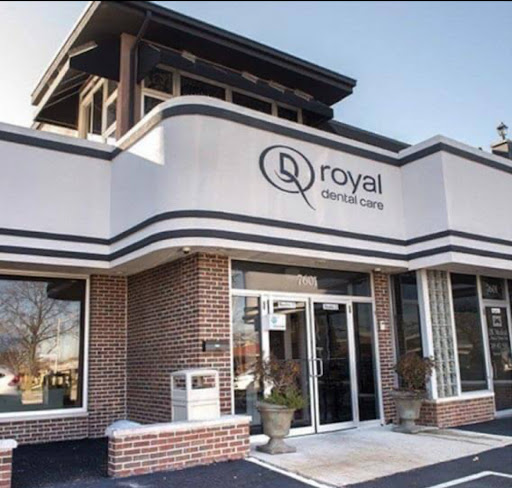
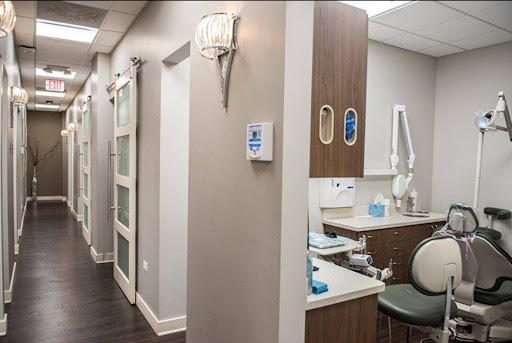
The atmosphere is beautiful the place is very clean. Very professional service. I went in for a free consultation. They were very thorough at explaining everything. I will be coming back and I Recommend them.

Alyssa Silvia
1 year ago
Response from the owner
Hi Alyssa Silvia Thanks for visiting Royal Dental Care. We truly value your feedback and your confidence in our team.
1 year ago

Amreen Jalal
1 year ago
izabela was so sweet and made the entire appointment very easy and enjoyable. the environment was really friendly, welcoming and clean. would definitely recommend to others, they’re very thorough with their work!
Response from the owner
Hi Amreen Jalal Thanks for taking the time to leave a review. Your input helps us continue providing high-quality care at Royal Dental Care.
1 year ago

LUKASZ WROBLEWSKI
1 year ago
This is a great place for those who want a gentle dentist, a thorough hygienist, and friendly staff. Everyone is so nice, and the whole office is clean and modern.
Response from the owner
Hi LUKASZ WROBLEWSKI Thank you for your kind words. We're so pleased to know you had a great experience at Royal Dental Care. 1 year ago

Katherine Dynak
1 year ago
Pretty good service
Response from the owner
Hi Katherine Dynak Your feedback means a lot to our team. We're committed to continuing the excellent care you’ve come to expect. 1 year ago

Melissa
1 year ago
Very friendly staff. Professional, I’ve been coming here for years now
Response from the owner
Hi Melissa We appreciate your support and are grateful you chose Royal Dental Care for your dental needs. Looking forward to seeing you again. 1 year ago

Bobby Anderson
1 year ago
I love this place! Been coming for years. I’ve had a lot of work done lol
Response from the owner
Hi Bobby Anderson Thank you for your kind words. We're so pleased to know you had a great experience at Royal Dental Care. 1 year ago

Rosa Rendon
1 year ago
Very good experience, Israa was amazing and did a great job
Response from the owner
Hi Rosa Rendon Your feedback means a lot to our team. We're committed to continuing the excellent care you’ve come to expect. 1 year ago