


How Bone Grafting Works for Dental Implants: A Simple Guide for Schaumburg Patients
If you have been exploring dental implant treatment, you may have come across the term “bone grafting.” While it may sound intimidating at first, bone grafting is a common and predictable procedure that helps create a strong foundation for successful dental implant placement.
Dental implants rely on healthy jawbone support to remain stable and functional. When bone loss occurs due to missing teeth, gum disease, or trauma, there may not be enough bone available to securely support an implant. In these situations, bone grafting can help rebuild the area and improve the long-term success of treatment.
At Royal Dental Care Schaumburg, we believe patients should feel informed and confident throughout every stage of their dental implant journey. Understanding how bone grafting works can help you make informed decisions about restoring your smile.
Why Bone Grafting May Be Necessary
When a tooth is lost, the jawbone beneath it no longer receives the stimulation created by chewing and biting. Over time, the body naturally begins to resorb, or shrink, the bone in that area.
Bone loss can occur for several reasons, including:
- Missing teeth for an extended period
- Advanced gum disease
- Dental infections
- Facial trauma or injury
- Natural bone deterioration over time
Patients with advanced gum disease may first require periodontal treatments before moving forward with implant-related procedures. As the bone shrinks, it may become difficult to place a dental implant securely. Bone grafting helps restore lost volume and creates the support necessary for successful implant treatment.
How Bone Grafting Supports Dental Implant Success
Dental implants function by integrating directly with the jawbone through a process called osseointegration. During this process, the bone fuses with the titanium implant, creating a stable and long-lasting foundation for a replacement tooth.
When sufficient bone is present, implants can often be placed successfully without additional procedures. However, when bone volume is inadequate, a graft may be recommended to strengthen the area before implant placement.
Benefits of bone grafting include:
- Increased jawbone volume
- Improved implant stability
- Better long-term treatment outcomes
- Preservation of facial structure
- Enhanced support for future restorations
Think of bone grafting as preparing the foundation before building a house. A stronger foundation helps ensure the final result remains secure for years to come.
What Happens During a Bone Grafting Procedure?
Many patients are surprised to learn that bone grafting is typically a straightforward procedure performed under local anaesthesia.
Selecting the Graft Material
Several types of grafting materials may be used, depending on the patient’s needs and treatment goals. These may include:
- Bone from the patient’s own body
- Donor bone material
- Synthetic bone grafting materials
Each option is carefully selected based on the amount of bone needed and the overall treatment plan, whether it involves single dental implants or more extensive restorative care.
Placement of the Bone Graft
Once the area is numbed, the grafting material is carefully placed in the area where additional bone support is needed. The material acts as a scaffold that encourages the body to generate new bone tissue over time.
Healing and Bone Integration
Following the procedure, the body gradually incorporates the graft into the existing bone. This process takes place naturally over several months and helps create a stronger, more stable foundation for implant placement.
Recovery After Bone Grafting
Recovery following bone grafting is generally easier than many patients expect.
Most patients experience mild swelling and tenderness for a few days after treatment. Following post-operative instructions carefully can help promote comfortable healing.
Tips for a Smooth Recovery
- Eat soft foods during the initial healing period
- Avoid chewing directly on the treatment area
- Maintain good oral hygiene
- Take medications as directed
- Attend follow-up appointments as recommended
Although daily discomfort typically improves quickly, it is important to remember that the bone continues healing beneath the surface for several months.
How Long Does Bone Grafting Take to Heal?
Healing times vary depending on the size of the graft and the individual’s overall health.
In many cases, the graft requires several months to fully integrate with the surrounding bone before procedures such as full mouth dental implants or other implant restorations can proceed. During this time, your dental team will monitor healing progress and determine when the area is ready for the next phase of treatment.
While the waiting period may seem lengthy, allowing adequate healing time is essential for achieving long-term implant success.
The Long-Term Benefits of Bone Grafting
Although bone grafting adds an extra step to the dental implant process, it can significantly improve treatment outcomes.
Patients who undergo bone grafting often benefit from:
- Stronger implant support
- Improved chewing function
- Enhanced smile aesthetics
- Better long-term stability
- Preservation of jawbone structure
By rebuilding lost bone, patients can often qualify for dental implant treatment even when they were previously told they lacked sufficient bone support.
Rebuilding Your Smile at Royal Dental Care Schaumburg
Bone loss does not automatically prevent you from enjoying the benefits of dental implants. Modern bone grafting techniques allow many patients to rebuild lost jawbone and restore their smiles with confidence.
At Royal Dental Care Schaumburg, we carefully evaluate each patient’s oral health, bone structure, and treatment goals to create a personalized dental implant plan. Our team is committed to helping patients understand every step of the process while providing compassionate, patient-focused care.
If you have been considering dental implants but are concerned about bone loss, we encourage you to schedule a consultation to learn about your options and determine whether bone grafting may be beneficial for your smile.
Frequently Asked Questions on Bone Grafting for Dental Implants
Does bone grafting hurt?
The procedure is performed under local anaesthesia to ensure your comfort. Most patients experience only mild soreness and swelling after treatment, which can typically be managed with recommended medications and home care instructions.
How long does it take for a bone graft to heal?
Healing times vary depending on the extent of the graft and individual factors. In many cases, the bone requires several months to fully integrate before dental implant placement can proceed.
Where does the grafting material come from?
Bone grafting material may come from your own bone, donor sources, or synthetic materials. Your dentist will recommend the most appropriate option based on your specific needs.
Is bone grafting always necessary before dental implants?
No. If there is sufficient healthy bone available to support the implant, bone grafting may not be required. A comprehensive evaluation and imaging will determine whether additional bone support is needed.
Can bone grafting and implant placement be performed at the same time?
In some situations, both procedures can be completed during the same appointment. However, many cases require the graft to heal first before implant placement can safely occur.
What foods should I avoid during recovery?
Hard, crunchy, sticky, and chewy foods should generally be avoided during the early stages of healing. Soft foods are typically recommended until the area becomes more comfortable.
Will bone grafting improve my chances of implant success?
Bone grafting helps create a stronger foundation for dental implants, which can improve stability and support long-term treatment success when bone loss is present.
Real Patients. Real Reviews.



Luke
1 year ago
Isabella was great!! Highly recommend her

Julia Swider
1 year ago
Great experience, everyone is very kind and patient. Take time to educate you on what is going on, which is much appreciated. Highly recommend!
Response from the owner
Hi Julia,Thank you for leaving us a review! Your feedback is appreciated.2 years ago

Pawel Blaszczak
1 year ago

Casey Kinsella
1 year ago
The atmosphere was great. The professionals were friendly. The communication between the office, dentist and patient was awful. I’ve found this with most dentist offices that once they get your money, they forget about you. Not happy with the customer service.

Scott Donaldson
1 year ago

Szymon Szuster
1 year ago

Ozzie Skenderi
1 year ago
Everyone is so nice and helpful!! They are great!!
Response from the owner
Hi Ozzie,We appreciate you taking the time to provide your feedback. We're happy to hear you had a positive experience at our practice!2 years ago

Jacqueline Hernandez
1 year ago
Really clean and great service

Rafal Raszewski
1 year ago

vivian trankina (viv)
1 year ago
amazing service everyone is kind here i’ve been going here for about 2 ywars

Keluarga Bahagia
1 year ago
Since I moved from another dentist to this Royal Dental treatment has felt so amazing, all the women who work at the desk are very kind to help me and my husband for scheduling, especially for me a dental cleaner who cleans my teeth Lois is my favorite, she is very friendly and does clean details. The dentist is also good, twice helped by the dentist forgot his name, he is also very helpful to check, for all the good and happy come to this Kingdom's teeth

Karina Czajko
1 year ago
Very professional, always respectful! Highly recommend!

Yoly navarrete
1 year ago
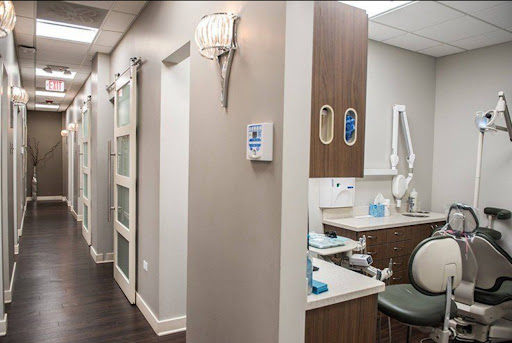
The atmosphere is beautiful the place is very clean. Very professional service. I went in for a free consultation. They were very thorough at explaining everything. I will be coming back and I Recommend them.

Alyssa Silvia
1 year ago
Response from the owner
Hi Alyssa Silvia Thanks for visiting Royal Dental Care. We truly value your feedback and your confidence in our team.1 year ago

Amreen Jalal
1 year ago
izabela was so sweet and made the entire appointment very easy and enjoyable. the environment was really friendly, welcoming and clean. would definitely recommend to others, they’re very thorough with their work!
Response from the owner
Hi Amreen Jalal Thanks for taking the time to leave a review. Your input helps us continue providing high-quality care at Royal Dental Care.1 year ago

LUKASZ WROBLEWSKI
1 year ago
This is a great place for those who want a gentle dentist, a thorough hygienist, and friendly staff. Everyone is so nice, and the whole office is clean and modern.
Response from the owner
Hi LUKASZ WROBLEWSKI Thank you for your kind words. We're so pleased to know you had a great experience at Royal Dental Care. 1 year ago

Katherine Dynak
1 year ago
Pretty good service
Response from the owner
Hi Katherine Dynak Your feedback means a lot to our team. We're committed to continuing the excellent care you’ve come to expect. 1 year ago

Melissa
1 year ago
Very friendly staff. Professional, I’ve been coming here for years now
Response from the owner
Hi Melissa We appreciate your support and are grateful you chose Royal Dental Care for your dental needs. Looking forward to seeing you again. 1 year ago

Bobby Anderson
1 year ago
I love this place! Been coming for years. I’ve had a lot of work done lol
Response from the owner
Hi Bobby Anderson Thank you for your kind words. We're so pleased to know you had a great experience at Royal Dental Care. 1 year ago

Rosa Rendon
1 year ago
Very good experience, Israa was amazing and did a great job
Response from the owner
Hi Rosa Rendon Your feedback means a lot to our team. We're committed to continuing the excellent care you’ve come to expect. 1 year ago