


Filling Fell Out? What to Do Right Now and How to Get It Fixed
You are sitting there eating a piece of chewy candy, crunching on some ice, or just brushing your teeth normally, and suddenly you feel something hard pop loose in your mouth. You spit it out into your hand, run your tongue along your back teeth, and realize your dental filling just came completely out.
That sudden, hollow feeling in your tooth can instantly ruin your day. An exposed tooth can be sensitive to air, hot coffee, and cold water, turning a normal afternoon into a very uncomfortable one.
If you are dealing with a lost filling in Norridge, IL, knowing the exact steps to take right now helps keep your tooth safe until you can get into the dental chair. Let us walk through what you should do immediately and how to handle it.
What to Do in the First Few Hours
Panic usually sets in right after a filling pops out, but a few calm, smart steps help protect the fragile tooth structure left behind:
- Locate and Save the Old Filling (If Possible): If you caught the piece when it fell out, save it in a small bag or container. Dentists rarely glue an old filling back in, but bringing it lets your dentist see what kind of material came out.
- Rinse Your Mouth Out: Swish gently with warm salt water to wash away loose food particles and debris from the empty cavity.
- Manage Any Sensitivity: With the filling gone, the inner layer of the tooth is exposed to air. Avoid chewing on that side of your mouth and steer clear of extremely hot or icy cold drinks.
- Cover the Tooth Temporarily: If you cannot see your dentist right away, pick up temporary dental filling material from a pharmacy and follow the package directions. In a pinch, a small piece of sugar-free gum can cover the hole for a very short time. Either one is only a stopgap until you are seen.
What NOT to Do When a Filling Falls Out
In the heat of the moment, it is easy to make mistakes that accidentally damage your tooth further. Keep these warnings in mind:
- Never Use Super Glue: People desperate for a quick fix sometimes try to glue a filling back in with household adhesives. These products are not made for use in the mouth and can harm the tooth and gums.
- Never Dig Around the Hole: Do not poke at the empty cavity with toothpicks, sharp objects, or your fingernails. You can easily crack the remaining walls of the tooth.
- Never Ignore It: Even if it does not hurt right now, an open hole in your tooth gives bacteria a way in, which can lead to decay and an infection that may need root canal treatment.
Why Did Your Filling Fall Out in the First Place?
Fillings are tough, but they are not designed to last forever. When a filling pops loose, it usually happens for one of a few common reasons:
- New Decay Underneath: Over the years, tiny gaps can form around the edges of an old filling. Bacteria sneak underneath and cause new decay, which loosens the grip of the filling. Our guide to cavity signs and symptoms explains what to watch for.
- Heavy Grinding and Clenching: If you grind your teeth at night or clamp your jaw during the day, that constant pressure can stress a filling until it fractures or pops out. A custom night guard for teeth grinding can help protect your teeth and restorations.
- Chewing Hard Foods: Biting down hard on ice, hard candies, popcorn kernels, or sticky taffy puts heavy force on older restorations.
- Normal Wear and Tear: Fillings simply age. Whether you have a composite resin filling or an older silver amalgam one, it will eventually wear down and need to be replaced.
How Your Dentist Will Fix It
Getting a lost filling repaired is a routine fix, but the exact treatment depends on how much natural tooth structure remains:
- Placing a New Filling: If the cavity is still relatively small and the tooth is healthy, your dentist will clean out any new decay and place a fresh, tooth-colored composite filling.
- Using a Dental Crown: If a large part of the tooth broke away along with the filling, a simple filling may not hold up to chewing pressure. Your dentist may recommend a custom dental crown to cover and protect the whole tooth.
- Root Canal Therapy: If the cavity was very deep and bacteria have reached the inner nerve, a root canal may be needed before a final crown is placed.
Reliable Dental Care in Norridge, IL
Dealing with a broken or lost filling is annoying, but getting it handled quickly helps keep a minor inconvenience from turning into a major emergency.
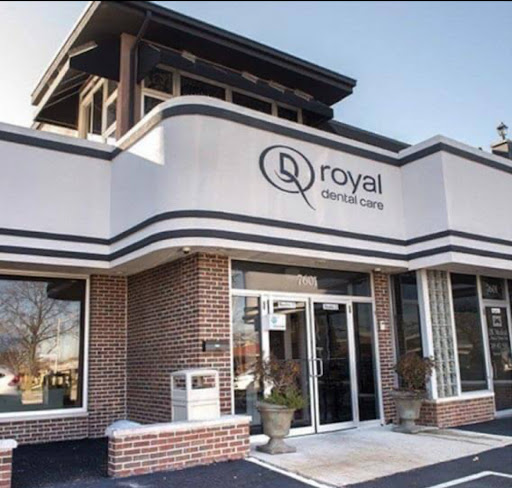
At Royal Dental Care in Norridge, our team handles urgent restorative needs with gentle care and modern techniques, and we set aside time in our dentists’ schedules for dental emergencies. Whether you need a quick replacement filling or a custom crown, our Norridge office is here to get your bite feeling strong and comfortable again.
Ready to Get That Filling Fixed?
Do not wait until a missing filling starts throbbing or cracks your tooth completely. Taking care of it now can save you time, money, and discomfort down the road.
For expert restorative care in Norridge, request an appointment with Royal Dental Care today, or give our office a call to get your smile back in shape.
Frequently Asked Questions
Is a lost filling considered a true dental emergency?
It is usually not a middle-of-the-night ER situation, but you should call your dentist as soon as you can to prevent sudden pain or further tooth breakage. If you have severe pain, swelling, or fever, call right away.
Does getting a filling replaced hurt?
Your dentist will numb the area with local anesthesia before cleaning out the space and placing your new restoration, so you should stay comfortable throughout. If dental visits make you anxious, ask about sedation options.
Can I use sugar-free gum as a temporary filling?
It can work as a very short-term cover until you can get temporary dental filling material or see your dentist, but it is not a substitute for a proper repair. Press it in gently and book your appointment as soon as possible.
How long can I wait before fixing a lost filling?
Do not wait longer than you have to. The longer the inner tooth is exposed to bacteria and chewing pressure, the higher the risk of decay, a cracked tooth, and a more involved repair.
Real Patients. Real Reviews.



Luke
1 year ago
Isabella was great!! Highly recommend her

Julia Swider
1 year ago
Great experience, everyone is very kind and patient. Take time to educate you on what is going on, which is much appreciated. Highly recommend!
Response from the owner
Hi Julia,
Thank you for leaving us a review! Your feedback is appreciated.2 years ago

Pawel Blaszczak
1 year ago

Casey Kinsella
1 year ago
The atmosphere was great. The professionals were friendly. The communication between the office, dentist and patient was awful. I’ve found this with most dentist offices that once they get your money, they forget about you. Not happy with the customer service.

Scott Donaldson
1 year ago

Szymon Szuster
1 year ago

Ozzie Skenderi
1 year ago
Everyone is so nice and helpful!! They are great!!
Response from the owner
Hi Ozzie,
We appreciate you taking the time to provide your feedback. We're happy to hear you had a positive experience at our practice!2 years ago

Jacqueline Hernandez
1 year ago
Really clean and great service

Rafal Raszewski
1 year ago

vivian trankina (viv)
1 year ago
amazing service everyone is kind here i’ve been going here for about 2 ywars

Keluarga Bahagia
1 year ago
Since I moved from another dentist to this Royal Dental treatment has felt so amazing, all the women who work at the desk are very kind to help me and my husband for scheduling, especially for me a dental cleaner who cleans my teeth Lois is my favorite, she is very friendly and does clean details. The dentist is also good, twice helped by the dentist forgot his name, he is also very helpful to check, for all the good and happy come to this Kingdom's teeth

Karina Czajko
1 year ago
Very professional, always respectful! Highly recommend!

Yoly navarrete
1 year ago
The atmosphere is beautiful the place is very clean. Very professional service. I went in for a free consultation. They were very thorough at explaining everything. I will be coming back and I Recommend them.

Alyssa Silvia
1 year ago
Response from the owner
Hi Alyssa Silvia Thanks for visiting Royal Dental Care. We truly value your feedback and your confidence in our team.
1 year ago

Amreen Jalal
1 year ago
izabela was so sweet and made the entire appointment very easy and enjoyable. the environment was really friendly, welcoming and clean. would definitely recommend to others, they’re very thorough with their work!
Response from the owner
Hi Amreen Jalal Thanks for taking the time to leave a review. Your input helps us continue providing high-quality care at Royal Dental Care.
1 year ago

LUKASZ WROBLEWSKI
1 year ago
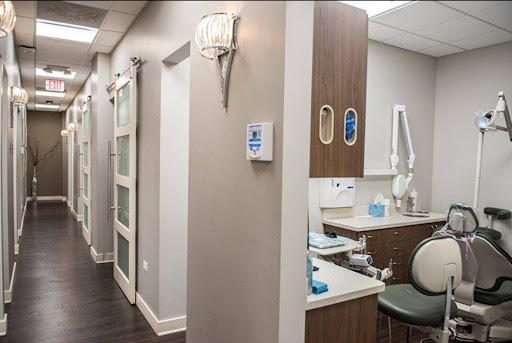
This is a great place for those who want a gentle dentist, a thorough hygienist, and friendly staff. Everyone is so nice, and the whole office is clean and modern.
Response from the owner
Hi LUKASZ WROBLEWSKI Thank you for your kind words. We're so pleased to know you had a great experience at Royal Dental Care. 1 year ago

Katherine Dynak
1 year ago
Pretty good service
Response from the owner
Hi Katherine Dynak Your feedback means a lot to our team. We're committed to continuing the excellent care you’ve come to expect. 1 year ago

Melissa
1 year ago
Very friendly staff. Professional, I’ve been coming here for years now
Response from the owner
Hi Melissa We appreciate your support and are grateful you chose Royal Dental Care for your dental needs. Looking forward to seeing you again. 1 year ago

Bobby Anderson
1 year ago
I love this place! Been coming for years. I’ve had a lot of work done lol
Response from the owner
Hi Bobby Anderson Thank you for your kind words. We're so pleased to know you had a great experience at Royal Dental Care. 1 year ago

Rosa Rendon
1 year ago
Very good experience, Israa was amazing and did a great job
Response from the owner
Hi Rosa Rendon Your feedback means a lot to our team. We're committed to continuing the excellent care you’ve come to expect. 1 year ago