

Loose Dentures? Relines, Rebases, Adhesives and Implant Options Compared
Pulling your dentures out of their cup every morning, popping them into your mouth, and holding your breath hoping they stay put all day is a stressful way to live. If your once-snug dentures have started slipping when you talk, clicking during a family dinner, or trapping bits of food underneath that rub your gums sore, you are dealing with a very common frustration.
As the years go by, your jawbone naturally shrinks and reshapes itself because it no longer has tooth roots stimulating the bone. That change alters the contour of your gums, which is why dentures that fit like a glove years ago can start sliding around today. Knowing how long dentures last and when they need attention makes it easier to act early.
If you are tired of slipping teeth in Norridge, IL, understanding your options, from quick adhesive fixes to permanent implant upgrades, makes finding the right solution much easier. Let us break down how relines, rebases, adhesives, and implant options compare side by side.
Denture Adhesives: The Quick Fix
When dentures start feeling a bit loose, the most common first instinct is to head to the pharmacy, buy a tube of denture cream or powder, and stick them down tighter.
- How It Works: You apply a few strips of paste or sprinkle powder onto the clean base of your denture before pressing it onto your gums to create a temporary seal.
- The Pros: Adhesives are inexpensive, easy to buy over the counter, and can give you an immediate boost in stability for the day.
- The Cons: They are messy, need daily reapplication, can change how your bite feels, and only mask the real problem. If your jawbone has changed a lot, adhesive will not stop ongoing bone loss. Keeping up with proper denture care each day also helps, but it will not fix a poor fit.
Denture Relines: Reshaping the Base
If your denture teeth and overall structure are still in good shape, but the pink base no longer matches the shape of your changing gums, a professional reline is often the next step to consider.
- How It Works: A fresh layer of new acrylic material is added to the inside surface of your existing denture base. This material fills in the gaps and matches the current shape of your gums.
- The Pros: It is usually faster and more affordable than making a brand-new set of teeth, and your familiar denture gets a snug, comfortable, custom fit again.
- The Cons: A reline only fixes the surface that rests against your gums. If your denture teeth are worn flat or the base is cracked, a reline will not fix those issues, and you may need to look at broken or cracked denture repairs or a replacement.
Denture Rebases: Replacing the Entire Acrylic Base
Sometimes the denture teeth are in good condition, but the entire pink acrylic base has become worn, weak, or warped over time.
- How It Works: A rebase is a more thorough lab process where your existing denture teeth are kept, but the whole pink acrylic base is replaced with new acrylic molded to your current mouth shape.
- The Pros: It gives you a fresh, strong foundation without having to get used to a brand-new set of teeth and bite.
- The Cons: It takes longer than a simple reline because it involves lab work, so you may be without your dentures for a short time while the base is rebuilt.
Implant-Supported Dentures: The Permanent Upgrade
If you are tired of removable dentures sliding around, requiring messy adhesive, or causing sore spots no matter how many adjustments you try, dental implants can change everything.
- How It Works: Your dentist places a few small titanium implant posts directly into your jawbone. Special attachments on your denture connect securely to those posts, holding the appliance firmly in place. Our implant-supported dentures can be designed as removable or fixed options.
- The Pros: Far greater stability. Less sliding, less clicking, and no messy adhesive, so you can eat and laugh with more confidence. The implant posts also stimulate your jawbone, which can help slow bone loss.
- The Cons: It involves a minor surgical procedure, takes longer to heal, and costs more upfront than traditional adjustments. If you are weighing the styles, see how snap-on dentures compare with implant-supported dentures.
Comparing Your Denture Solutions
Breaking down these options helps highlight which path fits your routine, comfort level, and budget:
Temporary Adhesives
- Best For: Quick, short-term help while waiting for a dental appointment.
- Longevity: Lasts only hours and must be washed off and reapplied daily.
Denture Relines
- Best For: Fixing a loose fit when your current denture teeth and base are still healthy.
- Longevity: Keeps your dentures snug for a period of time, but because your gums and jawbone keep changing, a reline may need to be repeated.
Denture Rebases
- Best For: Upgrading a worn-out acrylic base while keeping your original teeth.
- Longevity: Restores structural strength to the denture for several years.
Implant-Supported Dentures
- Best For: Securing loose dentures long term and helping protect your jawbone.
- Longevity: Designed to last many years with proper daily care.
Restorative Care at Royal Dental Care in Norridge
Living with loose, uncomfortable dentures makes everyday activities like eating out with friends or speaking clearly feel like a chore. You deserve a smile that feels secure, natural, and worry-free.
At Royal Dental Care in Norridge, our team takes the time to evaluate your bite and your gum health, make any adjustments needed for a comfortable fit, and discuss whether your dentures should be relined, replaced, or upgraded to implant-supported dentures. Whether you need a quick adjustment or want to explore a more permanent solution, our Norridge office is here to help you chew and smile with confidence.
Ready to Secure Your Smile?
Stop letting loose dentures control your daily routine and hold you back from enjoying your favorite foods.
For expert restorative guidance and comfortable denture care, request an appointment with Royal Dental Care today, or give our office a call to find your perfect fit.
Frequently Asked Questions
How often do traditional dentures need to be relined?
Because your jawbone naturally changes over time, removable dentures usually need to be relined or replaced periodically to keep a snug, comfortable fit. Your dentist can tell you how often is right for you.
Can any old denture be converted into an implant-supported denture?
Not always. Sometimes your current denture can be fitted with special attachment parts, but often a new, precisely made denture is needed to work properly with dental implants.
Are implant-supported dentures removable?
It depends on the design. Some options snap in and out for easy cleaning by the patient, while other styles are fixed in place and can only be removed by a dentist.
What happens if I ignore loose dentures and keep using adhesive?
Relying on heavy adhesive for too long while your dentures slip can lead to chronic gum irritation, painful sore spots, faster changes in the bone under the denture, and difficulty chewing your food properly.
Real Patients. Real Reviews.



Luke
1 year ago
Isabella was great!! Highly recommend her

Julia Swider
1 year ago
Great experience, everyone is very kind and patient. Take time to educate you on what is going on, which is much appreciated. Highly recommend!
Response from the owner
Hi Julia,
Thank you for leaving us a review! Your feedback is appreciated.2 years ago

Pawel Blaszczak
1 year ago

Casey Kinsella
1 year ago
The atmosphere was great. The professionals were friendly. The communication between the office, dentist and patient was awful. I’ve found this with most dentist offices that once they get your money, they forget about you. Not happy with the customer service.

Scott Donaldson
1 year ago

Szymon Szuster
1 year ago

Ozzie Skenderi
1 year ago
Everyone is so nice and helpful!! They are great!!
Response from the owner
Hi Ozzie,
We appreciate you taking the time to provide your feedback. We're happy to hear you had a positive experience at our practice!2 years ago

Jacqueline Hernandez
1 year ago
Really clean and great service

Rafal Raszewski
1 year ago

vivian trankina (viv)
1 year ago
amazing service everyone is kind here i’ve been going here for about 2 ywars

Keluarga Bahagia
1 year ago
Since I moved from another dentist to this Royal Dental treatment has felt so amazing, all the women who work at the desk are very kind to help me and my husband for scheduling, especially for me a dental cleaner who cleans my teeth Lois is my favorite, she is very friendly and does clean details. The dentist is also good, twice helped by the dentist forgot his name, he is also very helpful to check, for all the good and happy come to this Kingdom's teeth

Karina Czajko
1 year ago
Very professional, always respectful! Highly recommend!

Yoly navarrete
1 year ago
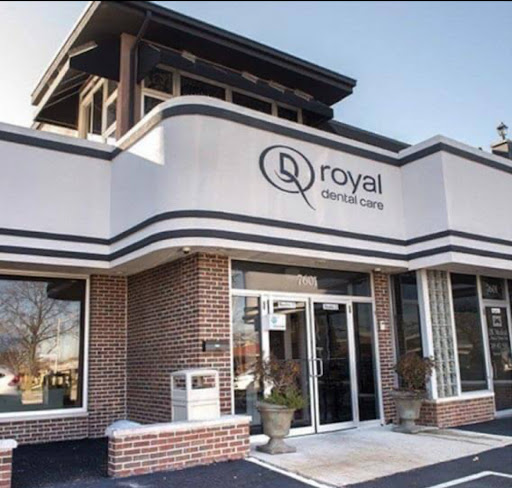
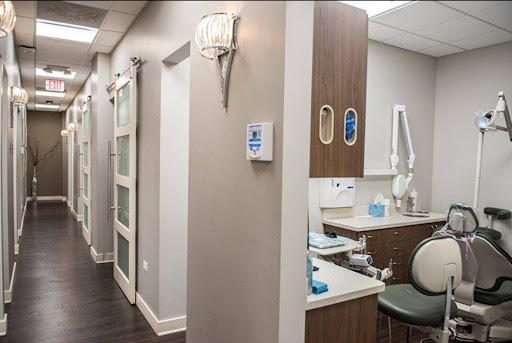
The atmosphere is beautiful the place is very clean. Very professional service. I went in for a free consultation. They were very thorough at explaining everything. I will be coming back and I Recommend them.

Alyssa Silvia
1 year ago
Response from the owner
Hi Alyssa Silvia Thanks for visiting Royal Dental Care. We truly value your feedback and your confidence in our team.
1 year ago

Amreen Jalal
1 year ago
izabela was so sweet and made the entire appointment very easy and enjoyable. the environment was really friendly, welcoming and clean. would definitely recommend to others, they’re very thorough with their work!
Response from the owner
Hi Amreen Jalal Thanks for taking the time to leave a review. Your input helps us continue providing high-quality care at Royal Dental Care.
1 year ago

LUKASZ WROBLEWSKI
1 year ago
This is a great place for those who want a gentle dentist, a thorough hygienist, and friendly staff. Everyone is so nice, and the whole office is clean and modern.
Response from the owner
Hi LUKASZ WROBLEWSKI Thank you for your kind words. We're so pleased to know you had a great experience at Royal Dental Care. 1 year ago

Katherine Dynak
1 year ago
Pretty good service
Response from the owner
Hi Katherine Dynak Your feedback means a lot to our team. We're committed to continuing the excellent care you’ve come to expect. 1 year ago

Melissa
1 year ago
Very friendly staff. Professional, I’ve been coming here for years now
Response from the owner
Hi Melissa We appreciate your support and are grateful you chose Royal Dental Care for your dental needs. Looking forward to seeing you again. 1 year ago

Bobby Anderson
1 year ago
I love this place! Been coming for years. I’ve had a lot of work done lol
Response from the owner
Hi Bobby Anderson Thank you for your kind words. We're so pleased to know you had a great experience at Royal Dental Care. 1 year ago

Rosa Rendon
1 year ago
Very good experience, Israa was amazing and did a great job
Response from the owner
Hi Rosa Rendon Your feedback means a lot to our team. We're committed to continuing the excellent care you’ve come to expect. 1 year ago