
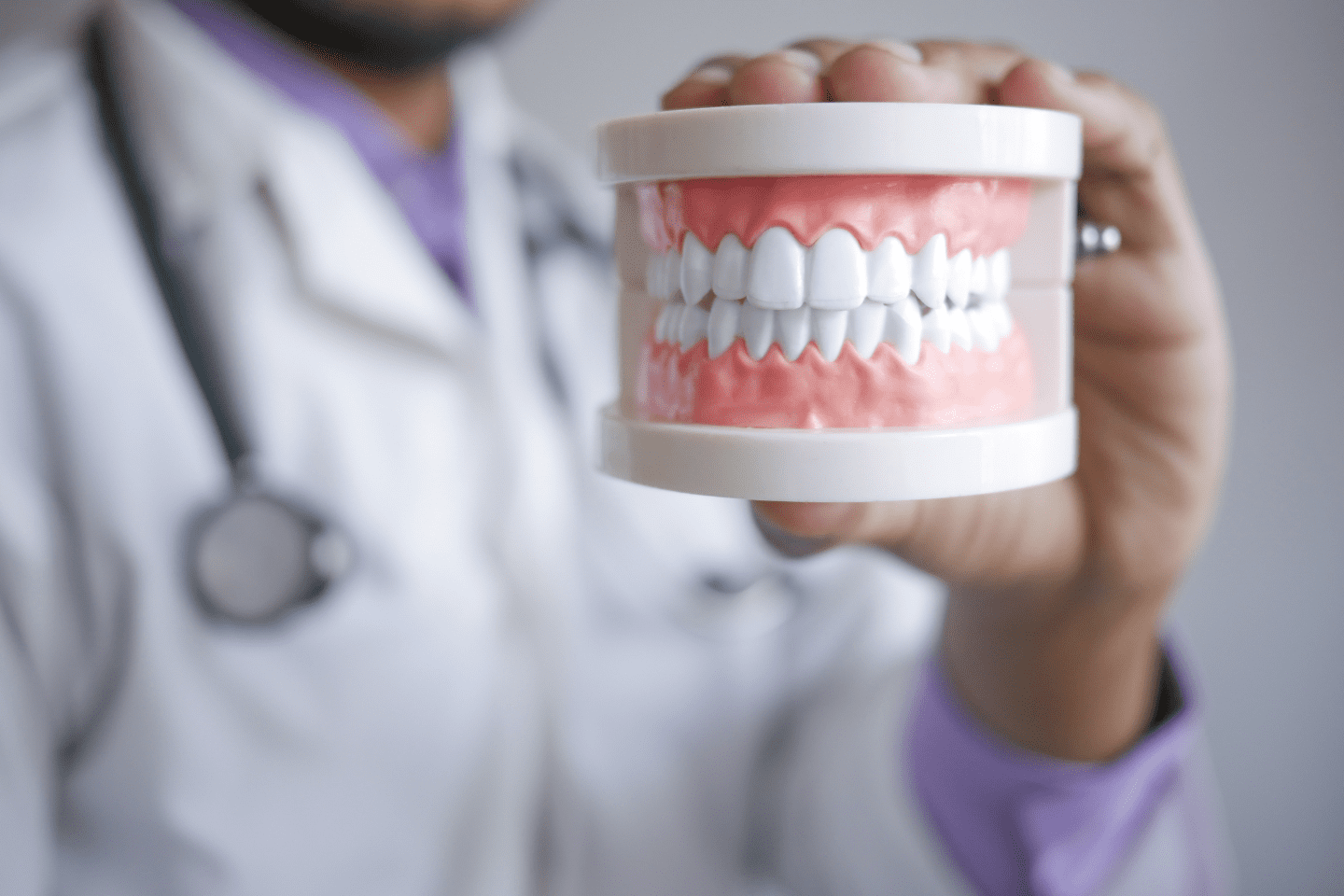

How Long Should Dentures Last? When Patients Need a Reline, Repair, or Full Replacement
Dentures are a fantastic way to restore your ability to chew, talk, and smile with confidence. If you wear them, you know they become a pretty essential part of your daily life. But just like anything else that you use every single day, dentures have a lifespan. They are not designed to last forever, and over time, they will need some attention to keep them working the way they should.
If you are a patient in Norridge, IL, you might be wondering how to tell when your dentures have reached the end of their road. At Royal Dental Care, we talk to people all the time who are dealing with loose, uncomfortable, or worn out dentures. The good news is that you do not have to just live with a device that doesn’t fit right. Let’s break down how long you can generally expect your dentures to last and how you can spot the signs that it is time for a change.
The Typical Lifespan of Dentures
On average, a well made set of dentures will last about five to seven years. That might sound like a long time, but think about it you wear them for hours every single day, you use them to eat all kinds of foods, and you clean them every night. That is a lot of wear and tear.
It is important to remember that this five to seven year window is just an average. Some people might get a bit more time out of their dentures with excellent care, while others might find they need adjustments or replacements sooner because their mouth changes. Understanding the different types of dentures and their benefits can also help you make informed decisions about future treatment needs.
Why Your Mouth Changes Over Time
This is the big reason why dentures do not last forever: your mouth is always changing. When you lose teeth, the jawbone that used to hold those teeth in place begins to slowly recede or shrink because it no longer has the stimulation from the tooth roots. This process is called resorption.
As your bone structure changes, the shape of your gums changes, too. Your dentures, however, stay exactly the same shape. Eventually, the fit that was perfect when you first got them starts to feel a little loose. This is why regular checkups are so important. We can keep an eye on these changes and make sure your dentures still fit properly.
Signs You Need a Reline or Repair
You do not always need a brand new set of dentures. Sometimes, we can extend the life of your current set with a few professional adjustments.
Dentures That Slip or Click
If your dentures are starting to slip when you talk or if you hear a clicking sound while you are eating, it is a sign that they no longer fit securely against your gums. This is not just annoying; it can actually cause irritation or sores on your gums.
Difficulty Chewing
If you find that you are having to avoid certain foods that you used to eat comfortably, your dentures might be worn down or shifted out of place.
Visible Wear and Tear
Check your dentures closely. Are the teeth looking flat or worn down? Are there any small chips or cracks in the base? Even minor damage can make the denture less effective and less comfortable.
Chronic Sore Spots
If you are developing new, painful sore spots on your gums, it is almost always a sign that the dentures are rubbing in places they shouldn’t. This happens when the base of the denture no longer matches the shape of your healing or receding gum tissue.
When It Is Time for a Full Replacement
Sometimes, a reline or a repair just won’t cut it anymore. If your dentures have reached that seven year mark, or if you have significant bone loss, a full replacement is often the best path forward. A new set allows us to take advantage of current technology and design a smile that fits the exact shape of your mouth as it is today, not how it was five years ago.
Getting a new set can make a huge difference in your facial appearance, too. When dentures get worn down, they often lose their height, which can make your face look a bit sunken or aged. A new set of well fitting dentures can provide better support for your lips and cheeks, helping you look and feel more youthful and vibrant. Some patients may also want to explore alternatives such as dental implants vs. dentures to determine which solution best fits their lifestyle and long-term goals.
Caring for Your Dentures Daily
You can definitely do your part to help your dentures last as long as possible. Think of your dentures like you would your real teeth.
- Clean them every day: Use a soft bristled brush and a cleaner specifically made for dentures. Avoid using harsh toothpaste, which can scratch the surface of the denture.
- Keep them hydrated: When you take them out at night, make sure to soak them in water or a denture cleaning solution. If they dry out, they can lose their shape and become brittle.
- Be gentle: When you are brushing or cleaning your dentures, try to do it over a sink filled with water or a folded towel. If you drop them on a hard counter, they can easily crack.
- Visit us regularly: Do not wait for a problem to arise. Even if you have full dentures, you still need to see us for regular checkups. We need to check the health of your gums and make sure your dentures are still a good fit for your mouth. Learning how to care for dentures properly can go a long way toward maximizing their lifespan.
Partnering With Your Dental Team
At Royal Dental Care Norridge, we want you to feel confident and comfortable in your smile. If you feel like your dentures are not as stable as they once were, please come see us. We can take a look and honestly tell you if a simple adjustment will do the trick or if it is time to start planning for a new set.
We know that getting new dentures can feel like a big step, but the comfort and function you get back is truly worth it. You deserve to eat the foods you enjoy and laugh without feeling self conscious. For patients seeking greater stability and support, All-on-4 dentures may be another option worth discussing with your dental team.
Frequently Asked Questions on Denture Longevity
Can I use superglue to fix a broken denture?
No, please never do this. Superglues are not designed for the mouth, and they can contain chemicals that are toxic. If your denture is broken, bring it to us. We can repair it properly and safely.
How often should I get a reline?
It varies from person to person. Generally, a reline is needed every couple of years as your mouth structure slowly changes. We will let you know when it looks like your fit is starting to drift.
Will my new dentures feel strange at first?
It is totally normal to have a period of adjustment. Your tongue and cheeks need to get used to the new shape, and you might have to practice your speech for a few days. It gets easier very quickly.
What are implant supported dentures?
These are dentures that snap onto dental implants. They are incredibly stable and can help prevent further bone loss. If you are frustrated by dentures that move around, we would love to talk to you about this option.
Can I sleep with my dentures in?
We generally recommend taking them out at night. It gives your gums a chance to breathe and rest, which is important for keeping your oral tissues healthy.
Does my diet affect how long my dentures last?
Yes. If you eat a lot of hard, crunchy, or sticky foods, you are putting more stress on your dentures. Choosing softer, more denture friendly foods can help them stay in good condition for longer.
Real Patients. Real Reviews.



Luke
1 year ago
Isabella was great!! Highly recommend her

Julia Swider
1 year ago
Great experience, everyone is very kind and patient. Take time to educate you on what is going on, which is much appreciated. Highly recommend!
Response from the owner
Hi Julia,
Thank you for leaving us a review! Your feedback is appreciated.2 years ago

Pawel Blaszczak
1 year ago

Casey Kinsella
1 year ago
The atmosphere was great. The professionals were friendly. The communication between the office, dentist and patient was awful. I’ve found this with most dentist offices that once they get your money, they forget about you. Not happy with the customer service.

Scott Donaldson
1 year ago

Szymon Szuster
1 year ago

Ozzie Skenderi
1 year ago
Everyone is so nice and helpful!! They are great!!
Response from the owner
Hi Ozzie,
We appreciate you taking the time to provide your feedback. We're happy to hear you had a positive experience at our practice!2 years ago

Jacqueline Hernandez
1 year ago
Really clean and great service

Rafal Raszewski
1 year ago

vivian trankina (viv)
1 year ago
amazing service everyone is kind here i’ve been going here for about 2 ywars

Keluarga Bahagia
1 year ago
Since I moved from another dentist to this Royal Dental treatment has felt so amazing, all the women who work at the desk are very kind to help me and my husband for scheduling, especially for me a dental cleaner who cleans my teeth Lois is my favorite, she is very friendly and does clean details. The dentist is also good, twice helped by the dentist forgot his name, he is also very helpful to check, for all the good and happy come to this Kingdom's teeth

Karina Czajko
1 year ago
Very professional, always respectful! Highly recommend!

Yoly navarrete
1 year ago
The atmosphere is beautiful the place is very clean. Very professional service. I went in for a free consultation. They were very thorough at explaining everything. I will be coming back and I Recommend them.


Alyssa Silvia
1 year ago
Response from the owner
Hi Alyssa Silvia Thanks for visiting Royal Dental Care. We truly value your feedback and your confidence in our team.
1 year ago

Amreen Jalal
1 year ago
izabela was so sweet and made the entire appointment very easy and enjoyable. the environment was really friendly, welcoming and clean. would definitely recommend to others, they’re very thorough with their work!
Response from the owner
Hi Amreen Jalal Thanks for taking the time to leave a review. Your input helps us continue providing high-quality care at Royal Dental Care.
1 year ago

LUKASZ WROBLEWSKI
1 year ago
This is a great place for those who want a gentle dentist, a thorough hygienist, and friendly staff. Everyone is so nice, and the whole office is clean and modern.
Response from the owner
Hi LUKASZ WROBLEWSKI Thank you for your kind words. We're so pleased to know you had a great experience at Royal Dental Care. 1 year ago

Katherine Dynak
1 year ago
Pretty good service
Response from the owner
Hi Katherine Dynak Your feedback means a lot to our team. We're committed to continuing the excellent care you’ve come to expect. 1 year ago

Melissa
1 year ago
Very friendly staff. Professional, I’ve been coming here for years now
Response from the owner
Hi Melissa We appreciate your support and are grateful you chose Royal Dental Care for your dental needs. Looking forward to seeing you again. 1 year ago

Bobby Anderson
1 year ago
I love this place! Been coming for years. I’ve had a lot of work done lol
Response from the owner
Hi Bobby Anderson Thank you for your kind words. We're so pleased to know you had a great experience at Royal Dental Care. 1 year ago

Rosa Rendon
1 year ago
Very good experience, Israa was amazing and did a great job
Response from the owner
Hi Rosa Rendon Your feedback means a lot to our team. We're committed to continuing the excellent care you’ve come to expect. 1 year ago