


Broken or Cracked Dentures? What to Do Right Away
It usually happens during the most inconvenient moment possible. You might be sitting down to enjoy a Sunday family dinner, biting into a piece of crusty bread, or simply taking your dentures out before bed, and suddenly, snap. Finding out your dentures broke in half or noticing a sudden crack can instantly send your stomach dropping. It feels startling, frustrating, and honestly, a bit isolating. How are you supposed to eat, speak comfortably, or head out to work tomorrow with damaged teeth?
If you are dealing with a broken denture right now, take a deep breath. You are definitely not the first person this has happened to, and it may be a completely fixable situation. However, what you do in the next few hours matters a lot. While the internet is full of quick fixes, understanding how to handle the situation safely will protect both your oral health and your appliance.
Let’s walk through what you should do immediately, why that DIY glue in your bathroom cabinet is a bad idea, and how professionals handle emergency denture repair.
First Steps: Assessing the Damage
When a denture breaks, your initial instinct might be to panic. Try to pause and calmly evaluate what you are looking at. Is it a tiny hairline fracture near the gum line, or did the acrylic snap completely into two pieces? Did one of the artificial teeth pop right out of its socket?
Gather all the pieces carefully. Even if a fragment looks tiny or insignificant, wrap it up gently in a clean tissue or place it in a small container. Never throw away any broken shards, because your dental team can often use them as a guide or determine whether they can be incorporated back into the repair process.
Once you have gathered everything, take a close look at your mouth. Check your gums, palate, and tongue. Sometimes, when a denture cracks under pressure, sharp edges can scrape or nick the soft tissues inside your mouth. If you notice any bleeding or irritation, rinse gently with warm salt water to keep the area clean.
The Temptation of DIY Fixes (And Why to Avoid Them)
When you are missing your teeth, the thought of being without them for even a single day can feel unbearable. It is completely normal to wonder: How do you repair dentures at home?
Can I just use super glue?
Let’s be completely transparent: Do not use household glues, super glues, or adhesives to fix your dentures.
It might look tempting on paper, but household glues are not intended for use inside the mouth. They may not withstand the pressure of chewing and can contain ingredients that may irritate oral tissues. More importantly, glues like cyanoacrylate may irritate your gums or affect the acrylic material, potentially making professional repair more difficult.
Furthermore, applying glue yourself can create a misaligned bond. Even a small shift can throw your entire bite off balance. When you put that misaligned appliance back into your mouth, it can create uneven pressure points, leading to painful sores, gum irritation, or further cracking when you try to chew. In some cases, trying a DIY fix can complicate what might otherwise be a straightforward professional repair.
So, how do you fix broken dentures safely? By having them evaluated by a dental professional who has the right tools, dental acrylics, and laboratory equipment.
Understanding Why Dentures Break
If you want to prevent this from happening again down the road, it helps to understand why dentures break in the first place. Acrylic resin is surprisingly durable, but it is not indestructible.
Over time, everyday wear and action take a toll. Every single day, your dentures endure heavy biting forces, cleaning routines, and temperature changes from hot and cold foods. Here are some of the most common culprits behind a broken denture:
- Accidental Drops: This is a common reason dentures break. It often happens over the sink while cleaning them. A wet denture is slippery, and if it hits a hard porcelain basin or a tile floor, the impact can cause it to crack.
- Normal Wear and Aging: Over several years, the acrylic materials that make up your dentures can naturally weaken and grow a bit more brittle.
- Shifting Jawbone Structure: Your jawbone changes shape gradually over time in a process called resorption, which can cause your dentures to lose their snug fit. When they start to loosen, they might rock or shift slightly while you chew, creating uneven pressure spots that can eventually cause a fracture.
- Biting Into Hard Foods: Crunching down on tough ice cubes, hard candies, or unpopped popcorn kernels places sudden, intense pressure on the acrylic base.
- Teeth Grinding (Bruxism): If you unconsciously clench or grind your teeth, especially if you wear your dentures overnight, the steady, continuous pressure can tire out and weaken the material over time.
Professional Solutions: How Dentures Are Repaired
When you bring your broken appliance to a professional, the repair process is both a science and an art. Wondering how to repair a broken denture the right way? Here is a quick look at what happens behind the scenes:
First off, your dentist will take a close look at the break to gauge how bad it is. If it’s a clean and simple crack, the pieces can usually be fitted back together right on a mold of your mouth. A special acrylic resin is applied to bond everything securely, followed by careful polishing so the surface stays smooth and comfortable against your tongue and cheeks.
When things are a bit more complicated, like a missing tooth or a bent metal framework, the appliance might need to head out to an off-site dental lab. While some offices handle quick, same-day fixes right in the building, others work closely with trusted local labs to get more involved repairs sorted out properly.
What to Do While You Wait
Waiting for your denture repair can feel stressful, especially if you have social commitments or work events coming up. Here are a few practical tips to help you navigate the gap:
- Rest Your Gums: If your broken denture has sharp edges that cannot be smoothed safely at home, it is best to leave it out entirely to protect your gum tissue. Think of this as a brief, necessary resting period for your mouth.
- Stick to Soft Foods: If you are managing a minor crack and waiting for an appointment, and your dentist has advised it is safe for temporary wear, stick to a soft diet. Yogurt, smoothies, mashed potatoes, soups, and scrambled eggs are your best friends right now. Avoid anything sticky, crunchy, or chewy.
- Keep Them Clean: Keep your broken pieces stored safely in water or a denture-soaking solution if they are in one piece, but avoid hot water, which can warp the acrylic.
Book Your Consultation
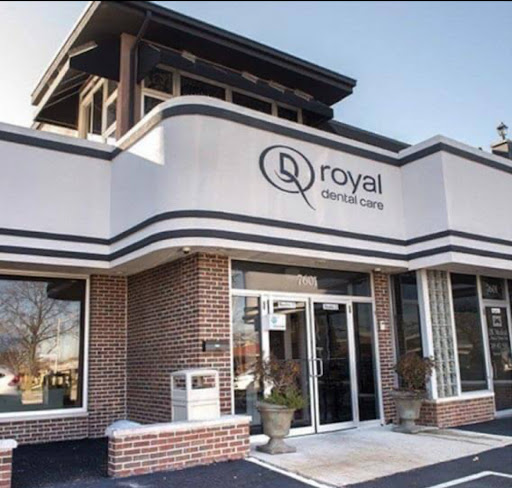
Don’t let a broken or cracked denture disrupt your daily life any longer than necessary. At Royal Dental Care Schaumburg, we understand how urgent this can feel for your comfort and confidence, and we are here to help you navigate how to repair broken dentures.
If you are dealing with a sudden break, give our team a call to schedule an emergency consultation. Let us help you address the damage and determine the appropriate next step for your denture.
Frequently Asked Questions on Broken or Cracked Dentures
Q: Can I wear my denture if it has a small hairline crack?
A: It is generally not recommended. Even a tiny crack can weaken the structural integrity of the appliance. Putting pressure on it can cause it to snap completely while you are eating or speaking, which can pinch your gums or allow you to swallow a loose fragment. It is best to have it evaluated right away.
Q: How long does emergency denture repair usually take?
A: The timeframe depends entirely on the nature of the break. Simple cracks or re-attaching a loose tooth may be completed within a few hours or on the same day, depending on the practice and the type of repair needed. More complex fractures requiring structural reinforcement may take a couple of days.
Q: Is it possible to prevent dentures from breaking?
A: You can reduce the risk by taking a few precautions. Always fill your sink with water or place a soft towel down before cleaning your dentures so that if you drop them, they have some cushioning. Additionally, routine checkups allow your dental team to check the fit and identify weak spots before they become larger problems.
Q: Will my repaired denture look or feel different?
A: A professional repair is intended to restore the denture’s function and appearance as much as possible. Once polished, it may look and feel similar to how it did before, though it is always wise to mention to your dentist if it feels slightly off-balance after the repair.
Real Patients. Real Reviews.



Luke
1 year ago
Isabella was great!! Highly recommend her

Julia Swider
1 year ago
Great experience, everyone is very kind and patient. Take time to educate you on what is going on, which is much appreciated. Highly recommend!
Response from the owner
Hi Julia,
Thank you for leaving us a review! Your feedback is appreciated.2 years ago

Pawel Blaszczak
1 year ago

Casey Kinsella
1 year ago
The atmosphere was great. The professionals were friendly. The communication between the office, dentist and patient was awful. I’ve found this with most dentist offices that once they get your money, they forget about you. Not happy with the customer service.

Scott Donaldson
1 year ago

Szymon Szuster
1 year ago

Ozzie Skenderi
1 year ago
Everyone is so nice and helpful!! They are great!!
Response from the owner
Hi Ozzie,
We appreciate you taking the time to provide your feedback. We're happy to hear you had a positive experience at our practice!2 years ago

Jacqueline Hernandez
1 year ago
Really clean and great service

Rafal Raszewski
1 year ago

vivian trankina (viv)
1 year ago
amazing service everyone is kind here i’ve been going here for about 2 ywars

Keluarga Bahagia
1 year ago
Since I moved from another dentist to this Royal Dental treatment has felt so amazing, all the women who work at the desk are very kind to help me and my husband for scheduling, especially for me a dental cleaner who cleans my teeth Lois is my favorite, she is very friendly and does clean details. The dentist is also good, twice helped by the dentist forgot his name, he is also very helpful to check, for all the good and happy come to this Kingdom's teeth

Karina Czajko
1 year ago
Very professional, always respectful! Highly recommend!

Yoly navarrete
1 year ago
The atmosphere is beautiful the place is very clean. Very professional service. I went in for a free consultation. They were very thorough at explaining everything. I will be coming back and I Recommend them.

Alyssa Silvia
1 year ago
Response from the owner
Hi Alyssa Silvia Thanks for visiting Royal Dental Care. We truly value your feedback and your confidence in our team.
1 year ago

Amreen Jalal
1 year ago
izabela was so sweet and made the entire appointment very easy and enjoyable. the environment was really friendly, welcoming and clean. would definitely recommend to others, they’re very thorough with their work!
Response from the owner
Hi Amreen Jalal Thanks for taking the time to leave a review. Your input helps us continue providing high-quality care at Royal Dental Care.
1 year ago

LUKASZ WROBLEWSKI
1 year ago
This is a great place for those who want a gentle dentist, a thorough hygienist, and friendly staff. Everyone is so nice, and the whole office is clean and modern.
Response from the owner
Hi LUKASZ WROBLEWSKI Thank you for your kind words. We're so pleased to know you had a great experience at Royal Dental Care. 1 year ago

Katherine Dynak
1 year ago
Pretty good service
Response from the owner
Hi Katherine Dynak Your feedback means a lot to our team. We're committed to continuing the excellent care you’ve come to expect. 1 year ago

Melissa
1 year ago
Very friendly staff. Professional, I’ve been coming here for years now
Response from the owner
Hi Melissa We appreciate your support and are grateful you chose Royal Dental Care for your dental needs. Looking forward to seeing you again. 1 year ago

Bobby Anderson
1 year ago
I love this place! Been coming for years. I’ve had a lot of work done lol
Response from the owner
Hi Bobby Anderson Thank you for your kind words. We're so pleased to know you had a great experience at Royal Dental Care. 1 year ago

Rosa Rendon
1 year ago
Very good experience, Israa was amazing and did a great job
Response from the owner
Hi Rosa Rendon Your feedback means a lot to our team. We're committed to continuing the excellent care you’ve come to expect. 1 year ago