


Dental Implant Failure: Early Warning Signs, Causes & What to Do
Embarking on a dental implant journey is a significant investment of your time, finances, and emotions, so experiencing a complication can feel stressful. Thankfully, implants boast an impressive success rate, and the vast majority of procedures go off without a hitch.
Even so, bumps in the road do happen. If you find yourself wondering whether dental implants can fail after noticing an unusual feeling, that worry is completely natural. Getting professional eyes on the issue early on can often make all the difference in keeping your treatment on track.
If you are looking for guidance around Norridge, let us walk through what a failing dental implant looks like, why implants can fail, and how we handle these situations at Royal Dental Care Norridge.
Can Dental Implants Really Fail?
The short answer is yes. While titanium and zirconia posts are remarkably durable and designed to integrate with your jawbone through a process called osseointegration, complications can still occur.
Sometimes an implant fails weeks or months after the initial surgery (early failure), while other times a seemingly healthy implant runs into trouble years down the road (late failure). No matter the timeline, some signs may indicate when something is going off track.
Early Warning Signs of a Failing Dental Implant
Your mouth can sometimes tell you when an implant is struggling. If you notice any of these red flags, it is time to pay attention:
- Persistent Pain or Discomfort: A little soreness right after surgery is totally expected. But if deep-seated pain lingers, intensifies weeks later, or flares up out of nowhere, it should be evaluated.
- Loose or Wobbly Feeling: A healthy implant should feel solid and secure. If your crown or the underlying post feels loose when you chew or nudge it with your tongue, you could be dealing with a failing dental implant.
- Swelling and Gum Changes: Swelling that gets worse instead of better, or gums that look bright red, puffy, and bleed easily around the post, can point to an infection around the implant.
- Difficulty Chewing: If biting down sends a sharp twinge of pain through your jaw, your implant may not have integrated properly with the bone, although other causes are also possible.
Why Would a Dental Implant Fail?
Patients often ask us, why would a dental implant fail if the procedure was done right? The truth is, complications can stem from a variety of biological or mechanical factors:
Peri-Implantitis (Gum Infection)
This is essentially a form of gum disease that targets the tissues surrounding an implant. Poor oral hygiene can allow plaque and bacteria to build up beneath the gumline, contributing to inflammation and bone loss around the implant.
Failed Osseointegration
For an implant to stay put, the jawbone needs to fuse tightly around the titanium post. If your bone density is too low, or if healing is disrupted by heavy smoking or uncontrolled medical conditions like diabetes, the bone may fail to bond properly.
Excessive Physical Stress
Just like natural teeth, implants can take a beating from heavy nighttime teeth grinding (bruxism) if they aren’t protected. Too much constant pressure before or after healing can crack the crown or loosen the post.
Underlying Health Factors
Certain systemic health issues, autoimmune disorders, or medications that interfere with bone healing can increase the risk of implants failing over time.
How to Lower Your Risk of Implant Problems
While not every complication can be prevented, good daily habits and regular monitoring go a long way:
- Brush twice a day and clean around your implant every day, as you would your natural teeth
- Attend regular check-ups and hygiene appointments so any changes are picked up early
- Avoid smoking and tobacco products, which can slow healing
- Keep any medical conditions well managed
- Wear a protective night guard if you grind or clench your teeth
- Follow the aftercare advice you are given following surgery
What to Do If You Suspect an Issue
If you suspect you are dealing with implant failure, do not wait it out hoping the discomfort will magically disappear on its own. The sooner you see a professional, the sooner the cause can be evaluated and an appropriate treatment plan considered.
When you come into our office, we will take digital scans, evaluate the bone levels around the post, and check for signs of inflammation. Depending on what we find, treatment might be as simple as tightening a loose component, treating an infection, or, in more advanced cases, removing the post, letting the bone heal, and planning a fresh replacement.
Contact Royal Dental Care Norridge Today
Your smile is too important to leave to guesswork. If you are experiencing unusual soreness, mobility, or swelling around a restoration, we are here to help you get answers. Reach out to Royal Dental Care Norridge today to schedule an evaluation, and let us help you care for your oral health.
Frequently Asked Questions
How common is dental implant failure?
Dental implants have a high success rate, and most people never experience a problem. Complications can still happen, depending on factors such as your general health, how well you look after your gums, the implant site, and how well the area heals. Failures are generally less common than successful outcomes.
Can a failing implant always be saved?
Not always, but early evaluation may provide more treatment options. If caught during the stage of mild gum inflammation or minor bone loss, we can often treat the infection and address the area. If the bone has significantly deteriorated around the post, removal may be necessary.
How long after surgery can a failure happen?
Implant failure can happen in two distinct windows. Early failures typically occur within the first few months if the bone fails to integrate. Late failures can happen years later due to chronic gum infections, trauma, or wear and tear.
Does smoking increase the risk of implant failure?
Yes. Nicotine restricts blood flow to the gums and jawbone, which can slow down the healing process and make it more difficult for your body to successfully anchor the implant post.
What should I do if my implant feels loose?
Book an evaluation as soon as possible rather than waiting to see if it settles. Until you are seen, try to avoid biting hard on that side, and keep the area clean with gentle brushing.
Real Patients. Real Reviews.



Luke
1 year ago
Isabella was great!! Highly recommend her

Julia Swider
1 year ago
Great experience, everyone is very kind and patient. Take time to educate you on what is going on, which is much appreciated. Highly recommend!
Response from the owner
Hi Julia,
Thank you for leaving us a review! Your feedback is appreciated.2 years ago

Pawel Blaszczak
1 year ago

Casey Kinsella
1 year ago
The atmosphere was great. The professionals were friendly. The communication between the office, dentist and patient was awful. I’ve found this with most dentist offices that once they get your money, they forget about you. Not happy with the customer service.

Scott Donaldson
1 year ago

Szymon Szuster
1 year ago

Ozzie Skenderi
1 year ago
Everyone is so nice and helpful!! They are great!!
Response from the owner
Hi Ozzie,
We appreciate you taking the time to provide your feedback. We're happy to hear you had a positive experience at our practice!2 years ago

Jacqueline Hernandez
1 year ago
Really clean and great service

Rafal Raszewski
1 year ago

vivian trankina (viv)
1 year ago
amazing service everyone is kind here i’ve been going here for about 2 ywars

Keluarga Bahagia
1 year ago
Since I moved from another dentist to this Royal Dental treatment has felt so amazing, all the women who work at the desk are very kind to help me and my husband for scheduling, especially for me a dental cleaner who cleans my teeth Lois is my favorite, she is very friendly and does clean details. The dentist is also good, twice helped by the dentist forgot his name, he is also very helpful to check, for all the good and happy come to this Kingdom's teeth

Karina Czajko
1 year ago
Very professional, always respectful! Highly recommend!

Yoly navarrete
1 year ago
The atmosphere is beautiful the place is very clean. Very professional service. I went in for a free consultation. They were very thorough at explaining everything. I will be coming back and I Recommend them.

Alyssa Silvia
1 year ago
Response from the owner
Hi Alyssa Silvia Thanks for visiting Royal Dental Care. We truly value your feedback and your confidence in our team.
1 year ago

Amreen Jalal
1 year ago
izabela was so sweet and made the entire appointment very easy and enjoyable. the environment was really friendly, welcoming and clean. would definitely recommend to others, they’re very thorough with their work!
Response from the owner
Hi Amreen Jalal Thanks for taking the time to leave a review. Your input helps us continue providing high-quality care at Royal Dental Care.
1 year ago

LUKASZ WROBLEWSKI
1 year ago
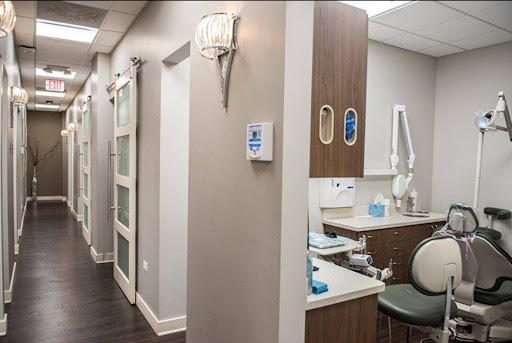
This is a great place for those who want a gentle dentist, a thorough hygienist, and friendly staff. Everyone is so nice, and the whole office is clean and modern.
Response from the owner
Hi LUKASZ WROBLEWSKI Thank you for your kind words. We're so pleased to know you had a great experience at Royal Dental Care. 1 year ago

Katherine Dynak
1 year ago
Pretty good service
Response from the owner
Hi Katherine Dynak Your feedback means a lot to our team. We're committed to continuing the excellent care you’ve come to expect. 1 year ago

Melissa
1 year ago
Very friendly staff. Professional, I’ve been coming here for years now
Response from the owner
Hi Melissa We appreciate your support and are grateful you chose Royal Dental Care for your dental needs. Looking forward to seeing you again. 1 year ago

Bobby Anderson
1 year ago
I love this place! Been coming for years. I’ve had a lot of work done lol
Response from the owner
Hi Bobby Anderson Thank you for your kind words. We're so pleased to know you had a great experience at Royal Dental Care. 1 year ago

Rosa Rendon
1 year ago
Very good experience, Israa was amazing and did a great job
Response from the owner
Hi Rosa Rendon Your feedback means a lot to our team. We're committed to continuing the excellent care you’ve come to expect. 1 year ago