

Oral Appliance Therapy vs. CPAP for Sleep Apnea: What Your Dentist Wants You to Know
If you or your partner struggles with loud snoring or you find yourself waking up feeling like you never actually slept, you are definitely not alone. Many people deal with obstructive sleep apnea, a condition where your breathing repeatedly stops and starts throughout the night. It is exhausting, it is frustrating, and honestly, it is tough on your overall health.
When people finally get a diagnosis, the first thing they usually hear about is the CPAP machine. While CPAP is a gold standard for a reason, it is not the only path forward. If you have been looking for alternatives near Norridge, IL, you might be curious about oral appliance therapy. At Royal Dental Care Norridge, we talk to patients every day who want to understand their options. Let’s dive into how these two treatments work and how they might fit into your life.
The CPAP Machine: The Gold Standard
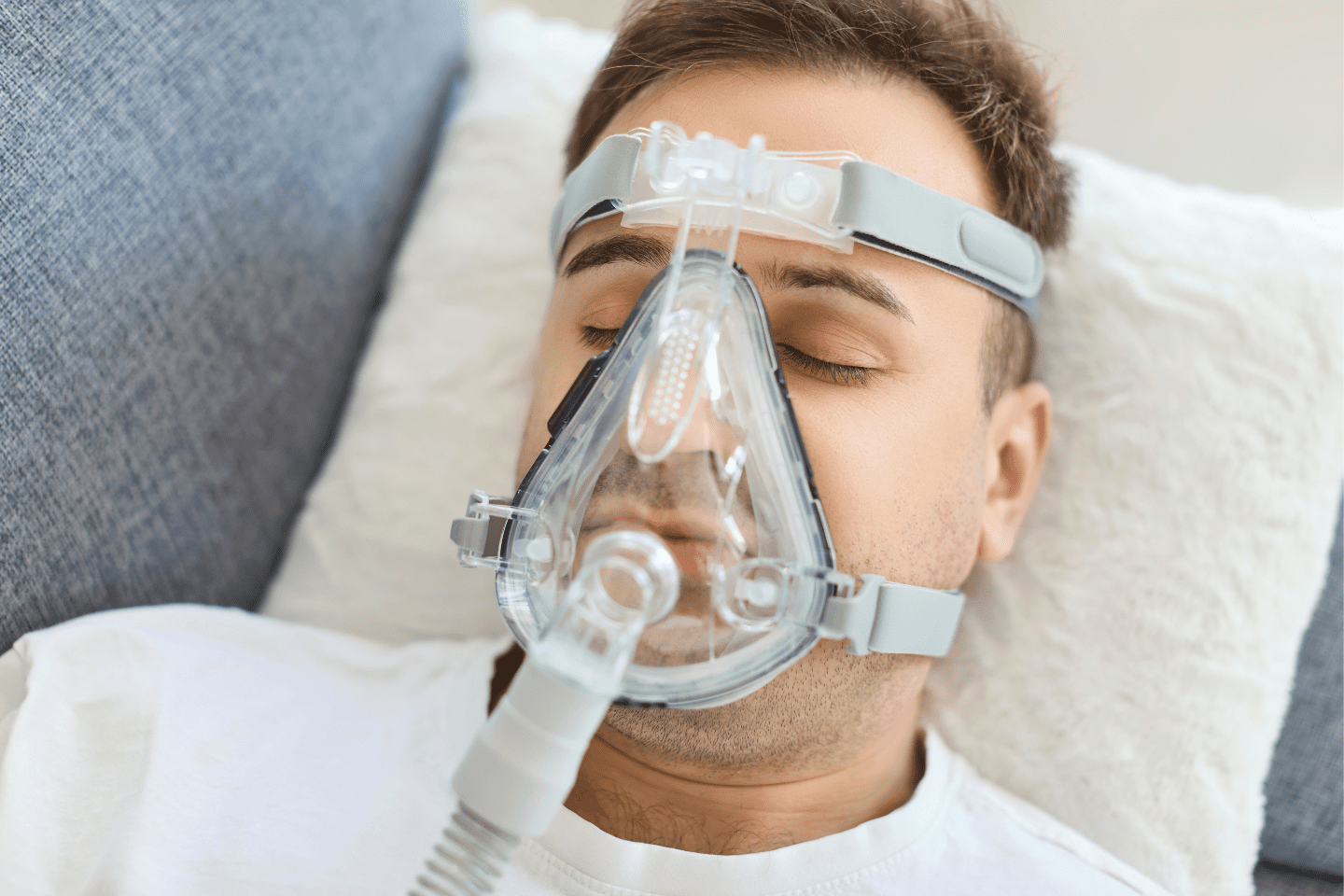
The Continuous Positive Airway Pressure machine, or CPAP, has been the go-to treatment for sleep apnea for decades. It works by using a hose and a mask to deliver a steady stream of pressurized air into your throat. This constant airflow acts like a splint, keeping your airway open while you sleep so you can breathe steadily all night long.
The big benefit of CPAP is that it is incredibly effective for a wide range of apnea severities. When it works, it works really well. People often report feeling like a new person after a few nights of consistent use. However, the reality of wearing a mask and being tethered to a machine can be a struggle for many people. If you find the mask uncomfortable, the hose annoying, or the machine too loud, you are not failing, you are just dealing with a very common hurdle.
Oral Appliance Therapy: A Different Approach
This is where your dentist comes in. Oral appliance therapy is a modern, comfortable alternative that is great for people with mild to moderate sleep apnea. Instead of using air pressure to keep your airway open, an oral appliance is a custom fitted device that you wear in your mouth while you sleep.
It looks a bit like a sports mouthguard, but it is much more precise. The appliance works by gently shifting your lower jaw forward. By moving the jaw just a few millimeters, it helps prevent the tongue and the soft tissues in your throat from collapsing and blocking your airway. It is quiet, it is small, and it is a lot easier to travel with than a full CPAP setup.
Comparing the Two Options – CPAP and Oral Appliance
Choosing between CPAP and an oral appliance is rarely about which one is better in a vacuum; it is about which one you will actually use every single night.
Comfort and Ease of Use
For many, the biggest advantage of an oral appliance is comfort. You are not wearing a mask, there are no hoses involved, and you can move around in bed naturally. On the flip side, some people find the feeling of having something in their mouth takes a little getting used to at first.
Effectiveness
CPAP is often more powerful at managing severe cases of sleep apnea. If your apnea is on the more serious side, CPAP is usually the starting point. Oral appliances are highly effective for mild to moderate cases, and many people who just cannot seem to get along with their CPAP machine find that an oral appliance is the perfect middle ground that allows them to get the rest they need. Some patients also explore orthodontic approaches that may support better nighttime breathing when discussing comprehensive treatment possibilities with their dental team.
Maintenance
CPAP machines require regular cleaning of the mask, the hose, and the water chamber to prevent bacteria buildup. Oral appliances are much simpler; you just need to keep them clean with a gentle rinse or a quick scrub as directed.
The Role of Your Dentist
One of the most important things to know is that you do not have to pick a side on your own. At Royal Dental Care, we work closely with your physician to make sure that the treatment we provide is exactly what you need.
We take precise impressions of your teeth to create a device that is designed specifically for your mouth. Because it is custom made, it is comfortable and effective. We also schedule follow up visits to ensure the fit is just right and that you are seeing the results you were hoping for. Our goal is to make sure your treatment is not just another thing you have to stress about, but a simple part of your nightly routine.
Why You Should Not Ignore Sleep Apnea
Whatever treatment you choose, the most important thing is that you do not just brush off the symptoms. Sleep apnea is more than just snoring. It puts a lot of strain on your heart, increases your risk of high blood pressure, and leaves you feeling foggy during the day. Learning about the serious health risks associated with untreated sleep disorders can help you understand why seeking treatment sooner rather than later is so important. When you get your breathing back on track, you are doing a huge favor for your long term health.
If you have been avoiding treatment because you are worried about the equipment, come have a chat with us. We might be able to offer an alternative that makes you actually look forward to heading to bed.
Frequently Asked Questions on CPAP and Oral Appliance for Sleep Apnea
Will an oral appliance work for severe sleep apnea?
A: Generally, CPAP is recommended for severe cases. However, we always evaluate each patient individually. If you are unable to tolerate CPAP, we can work with your doctor to see if an oral appliance can provide enough relief for your situation.
Is oral appliance therapy covered by insurance?
Many medical insurance plans do provide coverage for oral appliance therapy, especially if you have a documented diagnosis of sleep apnea and have tried other treatments. We are happy to help you navigate the process of checking your specific benefits.
How long does the custom fitting process take?
It usually takes a couple of visits. The first visit is for the assessment and impressions. Once the device is custom made in the lab, we have you come back for a fitting to ensure it is comfortable and positioned correctly for your airway.
Will I have jaw pain?
Some people feel a little bit of soreness in their jaw when they first start wearing an appliance, but it usually goes away after a few days as your muscles adjust. We keep a close watch on this during your follow up appointments to ensure you remain comfortable.
Can I use an oral appliance if I have dentures?
It depends on the state of your teeth and the type of dentures you wear. In some cases, we can still create a functional appliance. The best way to know is to come in for a consultation so we can examine your specific needs.
Do I need a referral from a doctor?
While you can certainly call us directly, sleep apnea is a medical condition that requires a diagnosis. If you have not been diagnosed yet, we can help you find a sleep specialist to get that first step completed.
Real Patients. Real Reviews.



Luke
1 year ago
Isabella was great!! Highly recommend her

Julia Swider
1 year ago
Great experience, everyone is very kind and patient. Take time to educate you on what is going on, which is much appreciated. Highly recommend!
Response from the owner
Hi Julia,
Thank you for leaving us a review! Your feedback is appreciated.2 years ago

Pawel Blaszczak
1 year ago

Casey Kinsella
1 year ago
The atmosphere was great. The professionals were friendly. The communication between the office, dentist and patient was awful. I’ve found this with most dentist offices that once they get your money, they forget about you. Not happy with the customer service.

Scott Donaldson
1 year ago

Szymon Szuster
1 year ago

Ozzie Skenderi
1 year ago
Everyone is so nice and helpful!! They are great!!
Response from the owner
Hi Ozzie,
We appreciate you taking the time to provide your feedback. We're happy to hear you had a positive experience at our practice!2 years ago

Jacqueline Hernandez
1 year ago
Really clean and great service

Rafal Raszewski
1 year ago

vivian trankina (viv)
1 year ago
amazing service everyone is kind here i’ve been going here for about 2 ywars

Keluarga Bahagia
1 year ago
Since I moved from another dentist to this Royal Dental treatment has felt so amazing, all the women who work at the desk are very kind to help me and my husband for scheduling, especially for me a dental cleaner who cleans my teeth Lois is my favorite, she is very friendly and does clean details. The dentist is also good, twice helped by the dentist forgot his name, he is also very helpful to check, for all the good and happy come to this Kingdom's teeth

Karina Czajko
1 year ago
Very professional, always respectful! Highly recommend!

Yoly navarrete
1 year ago
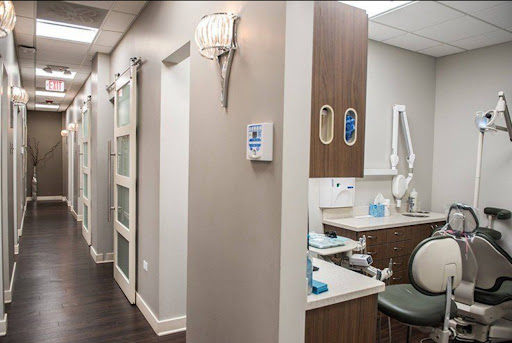
The atmosphere is beautiful the place is very clean. Very professional service. I went in for a free consultation. They were very thorough at explaining everything. I will be coming back and I Recommend them.

Alyssa Silvia
1 year ago
Response from the owner
Hi Alyssa Silvia Thanks for visiting Royal Dental Care. We truly value your feedback and your confidence in our team.
1 year ago

Amreen Jalal
1 year ago
izabela was so sweet and made the entire appointment very easy and enjoyable. the environment was really friendly, welcoming and clean. would definitely recommend to others, they’re very thorough with their work!
Response from the owner
Hi Amreen Jalal Thanks for taking the time to leave a review. Your input helps us continue providing high-quality care at Royal Dental Care.
1 year ago

LUKASZ WROBLEWSKI
1 year ago
This is a great place for those who want a gentle dentist, a thorough hygienist, and friendly staff. Everyone is so nice, and the whole office is clean and modern.
Response from the owner
Hi LUKASZ WROBLEWSKI Thank you for your kind words. We're so pleased to know you had a great experience at Royal Dental Care. 1 year ago

Katherine Dynak
1 year ago
Pretty good service
Response from the owner
Hi Katherine Dynak Your feedback means a lot to our team. We're committed to continuing the excellent care you’ve come to expect. 1 year ago

Melissa
1 year ago
Very friendly staff. Professional, I’ve been coming here for years now
Response from the owner
Hi Melissa We appreciate your support and are grateful you chose Royal Dental Care for your dental needs. Looking forward to seeing you again. 1 year ago

Bobby Anderson
1 year ago
I love this place! Been coming for years. I’ve had a lot of work done lol
Response from the owner
Hi Bobby Anderson Thank you for your kind words. We're so pleased to know you had a great experience at Royal Dental Care. 1 year ago

Rosa Rendon
1 year ago
Very good experience, Israa was amazing and did a great job
Response from the owner
Hi Rosa Rendon Your feedback means a lot to our team. We're committed to continuing the excellent care you’ve come to expect. 1 year ago