
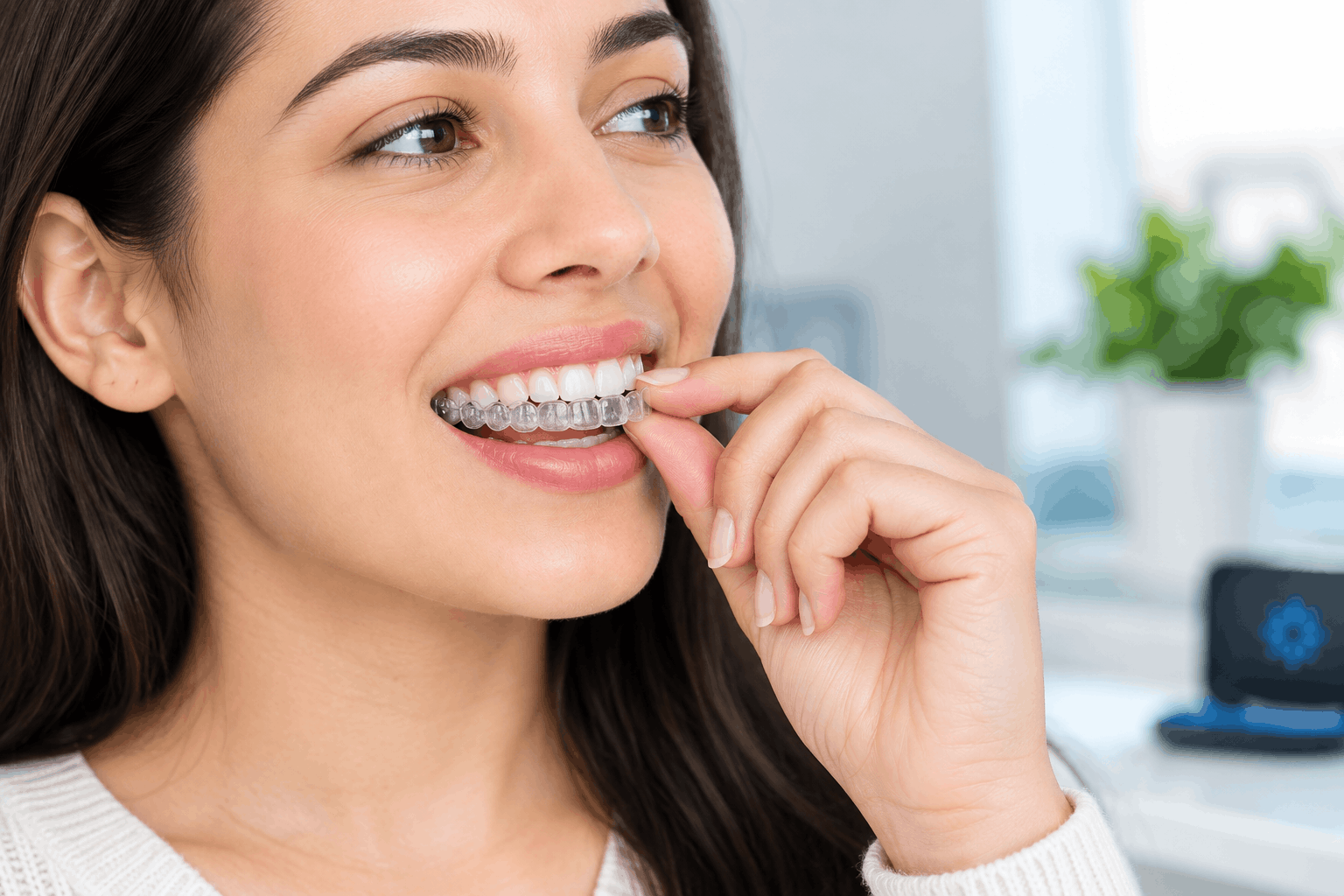

Invisalign vs SmileDirectClub
Deciding to fix your teeth as an adult feels like a big step. Maybe you have a gap that bothers you in photos or some crowding that has been building up for years. Clear aligner technology makes it possible to straighten your smile without rocking metal braces at work or school.
When looking into your choices, you will likely stumble right into the ongoing debate comparing Invisalign vs smile direct club. The market used to be split down the middle between seeing an orthodontist face-to-face or waiting for a mail-order box of impression putty to arrive on your porch. Folks constantly weigh Invisalign vs smile direct based on sheer convenience and smile direct cost estimates, wondering just how much is smile direct club compared to actual clinical treatment.
Recent shake-ups in the dental world, including direct-to-consumer aligner brands shutting down or filing for bankruptcy, have completely changed how people view at-home versus in-office care.
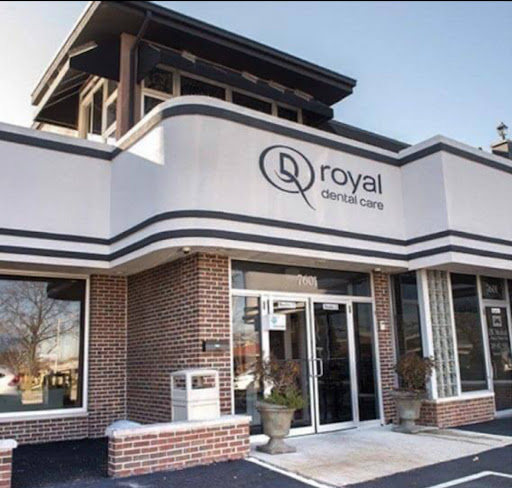
At Royal Dental Care in Norridge, we believe in keeping things transparent and medically grounded. Let us walk through how these approaches stack up, why having a real doctor watch your progress matters, and what you ought to keep in mind before starting your alignment journey.
Clinical Care Versus At-Home Impression Kits
To see why the clash between Invisalign vs smile direct club sparked so much chatter, it helps to look at how each method actually shifts teeth around.
Real-Time Clinical Oversight (Invisalign)
Invisalign relies on active, hands-on supervision from a licensed professional. Everything kicks off with a thorough exam, digital scans, and a check of your gum health. A trained clinician maps out your exact tooth movements, orders custom trays, and checks in on your tracking every few weeks.
The Big Advantage: If a tooth gets stubborn and stops tracking properly, your dentist can spot it immediately and tweak your plan. Plus, any hidden cavities or gum issues get caught and treated before putting pressure on your teeth.
The Mail-Order Model (SmileDirectClub)
Direct-to-consumer brands took a totally different route by reducing the need for in-person dental visits. Customers either stopped by a storefront for a quick scan or used a home impression kit, with treatment plans reviewed remotely. The full set of aligners then arrived in the mail in one big box.
The Catch: Without a physical exam, underlying problems like weak roots, active gum disease, or a bad bite can be missed. When SmileDirectClub ceased operations in 2023, many customers were left without continued treatment through the company.
Breaking Down the Costs: SDC vs. Professional Care
When folks looked into how much is smile direct club, the biggest draw was the cheaper upfront price tag, usually bundled into a monthly payment plan. Saving cash compared to a local orthodontic quote sounded fantastic on paper.
Real dental health requires looking at the big picture, though. When mail-order trays don’t move teeth correctly or leave your bite messed up, fixing the damage later usually costs way more than doing it right the first time. Invisalign pricing shifts based on your specific needs, but that investment covers clinical expertise, precise scans, attachments, and professional supervision from start to finish.
Why Mail-Order Aligners Worried Dental Professionals
Dentists and orthodontists raised serious red flags about remote alignment systems for good reason. Moving teeth is a biological process that depends on bone remodeling. Applying pressure without checking root angles or bite forces can lead to real trouble:
- Root Resorption: Unmonitored or excessive orthodontic forces can contribute to shortening of tooth roots over time, leaving teeth at risk of mobility.
- Bite Collapse: Straightening front teeth while improperly altering how your back teeth meet can contribute to bite problems and jaw discomfort.
- Missed Decay: Shifting teeth that have untreated cavities or bad fillings can cause structural problems.
When you weigh a mail-order shortcut against a trusted local provider, protecting your long-term health is always worth it.
Safe and Predictable Results in Norridge
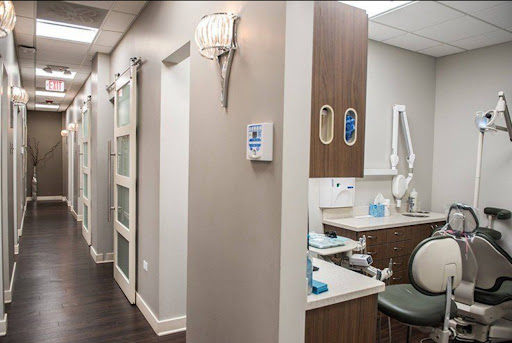
If you want a straighter smile that looks amazing and feels comfortable when you chew, working side-by-side with a local dental team keeps your mouth safe every step of the way. We use advanced digital imaging to map out your progress so your teeth shift smoothly and predictably.
Schedule Your Clear Aligner Consultation Today
Ready to explore safe, professional alternatives to straighten your smile with confidence? Contact Royal Dental Care in Norridge today to schedule your comprehensive orthodontic consultation and find out if clear aligners are right for you.
Frequently Asked Questions
Q: Are clear aligners just as good as traditional metal braces?
A: For most mild to moderate crowding and spacing issues, clear aligners work wonderfully. However, severe bite misalignments or complex rotations might still need traditional braces for the best control.
Q: Does Invisalign hurt when you wear it?
A: You will likely feel a dull pressure or tightness for a day or two every time you switch to a new tray. That is completely normal and is a common part of the tooth movement process.
Q: How many hours a day do I need to keep aligners in?
A: To stay on schedule, clear aligners need to stay in your mouth for 20 to 22 hours daily. You only pop them out to eat, drink anything besides water, brush, and floss.
Q: Can former mail-order aligner patients switch over to Invisalign?
A: Yes. Many people whose treatments got cut short or whose teeth started shifting back visit our office for help. We can evaluate your current bite and build a safe Invisalign plan to finish what you started.
Real Patients. Real Reviews.



Luke
1 year ago
Isabella was great!! Highly recommend her

Julia Swider
1 year ago
Great experience, everyone is very kind and patient. Take time to educate you on what is going on, which is much appreciated. Highly recommend!
Response from the owner
Hi Julia,Thank you for leaving us a review! Your feedback is appreciated.2 years ago

Pawel Blaszczak
1 year ago

Casey Kinsella
1 year ago
The atmosphere was great. The professionals were friendly. The communication between the office, dentist and patient was awful. I’ve found this with most dentist offices that once they get your money, they forget about you. Not happy with the customer service.

Scott Donaldson
1 year ago

Szymon Szuster
1 year ago

Ozzie Skenderi
1 year ago
Everyone is so nice and helpful!! They are great!!
Response from the owner
Hi Ozzie,We appreciate you taking the time to provide your feedback. We're happy to hear you had a positive experience at our practice!2 years ago

Jacqueline Hernandez
1 year ago
Really clean and great service

Rafal Raszewski
1 year ago

vivian trankina (viv)
1 year ago
amazing service everyone is kind here i’ve been going here for about 2 ywars

Keluarga Bahagia
1 year ago
Since I moved from another dentist to this Royal Dental treatment has felt so amazing, all the women who work at the desk are very kind to help me and my husband for scheduling, especially for me a dental cleaner who cleans my teeth Lois is my favorite, she is very friendly and does clean details. The dentist is also good, twice helped by the dentist forgot his name, he is also very helpful to check, for all the good and happy come to this Kingdom's teeth

Karina Czajko
1 year ago
Very professional, always respectful! Highly recommend!

Yoly navarrete
1 year ago
The atmosphere is beautiful the place is very clean. Very professional service. I went in for a free consultation. They were very thorough at explaining everything. I will be coming back and I Recommend them.

Alyssa Silvia
1 year ago
Response from the owner
Hi Alyssa Silvia Thanks for visiting Royal Dental Care. We truly value your feedback and your confidence in our team.1 year ago

Amreen Jalal
1 year ago
izabela was so sweet and made the entire appointment very easy and enjoyable. the environment was really friendly, welcoming and clean. would definitely recommend to others, they’re very thorough with their work!
Response from the owner
Hi Amreen Jalal Thanks for taking the time to leave a review. Your input helps us continue providing high-quality care at Royal Dental Care.1 year ago

LUKASZ WROBLEWSKI
1 year ago
This is a great place for those who want a gentle dentist, a thorough hygienist, and friendly staff. Everyone is so nice, and the whole office is clean and modern.
Response from the owner
Hi LUKASZ WROBLEWSKI Thank you for your kind words. We're so pleased to know you had a great experience at Royal Dental Care. 1 year ago

Katherine Dynak
1 year ago
Pretty good service
Response from the owner
Hi Katherine Dynak Your feedback means a lot to our team. We're committed to continuing the excellent care you’ve come to expect. 1 year ago

Melissa
1 year ago
Very friendly staff. Professional, I’ve been coming here for years now
Response from the owner
Hi Melissa We appreciate your support and are grateful you chose Royal Dental Care for your dental needs. Looking forward to seeing you again. 1 year ago

Bobby Anderson
1 year ago
I love this place! Been coming for years. I’ve had a lot of work done lol
Response from the owner
Hi Bobby Anderson Thank you for your kind words. We're so pleased to know you had a great experience at Royal Dental Care. 1 year ago

Rosa Rendon
1 year ago
Very good experience, Israa was amazing and did a great job
Response from the owner
Hi Rosa Rendon Your feedback means a lot to our team. We're committed to continuing the excellent care you’ve come to expect. 1 year ago