
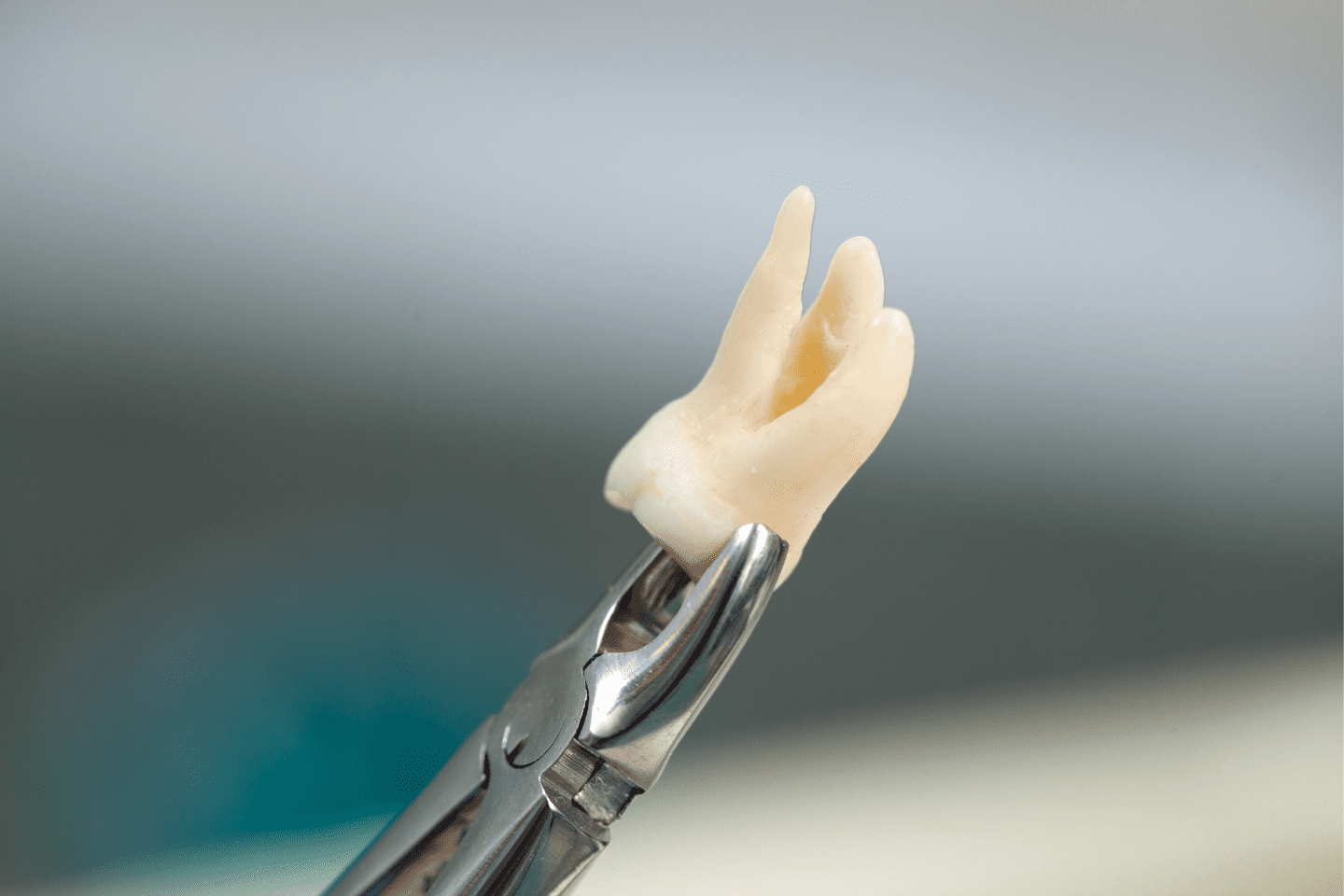

Why No Ibuprofen After a Tooth Extraction?
Getting a tooth pulled is rarely on anyone’s list of favorite things to do on a Saturday in Norridge. Whether you are heading over to the Harlem Irving Plaza or just trying to relax at home, the last thing you want to deal with after a dental surgery is unexpected pain or complications. Most people have a go-to bottle of pain relievers in their medicine cabinet, and for many, that bottle is ibuprofen. It is a reliable anti-inflammatory that works wonders for headaches or back pain. However, when it comes to the delicate healing process after a tooth extraction, your dentist at Royal Dental Care might give you some surprising advice: put the ibuprofen back on the shelf for a little while.
It seems counterintuitive. You have just had a surgical procedure, and you expect some swelling and discomfort. Naturally, you want to reach for something that knocks out inflammation. But the mouth is a unique environment, and the way your blood clots after an extraction is the single most important factor in how fast you heal. Understanding the “why” behind these medication restrictions can be the difference between a smooth three-day recovery and a painful two-week ordeal involving a dry socket.
Medically Reviewed
*Medically reviewed by Dr. Peter Troyan, DMD, Royal Dental Care. This article is for general educational purposes and is not a substitute for personalized medical advice — always follow the specific post-extraction instructions your own dentist gives you.*
The Story of the Interrupted Recovery
Let’s look at a situation we see occasionally in our Norridge office. Imagine a patient named Mark. Mark had a wisdom tooth that was causing him a lot of grief, so he came in to have it removed. The procedure went perfectly, and he was sent home with a list of aftercare instructions. Mark felt a bit of a throb an hour later as the numbing wore off. He remembered he had some extra-strength ibuprofen in his kitchen. He figured that since it reduces swelling, it would be the best choice to get him back to work quickly.
By that evening, Mark noticed that the extraction site wouldn’t stop oozing. Every time he changed his gauze, it was soaked. He wasn’t in terrible pain yet, but the clot that was supposed to be forming was struggling to stay put. Because ibuprofen can act as a mild blood thinner, it was preventing his body from “sealing” the wound properly. Mark ended up having to come back in for an emergency checkup because he had accidentally washed away the foundation of his healing. If he had stuck to the recommended alternatives, his body would have been able to knit that tissue back together without interference.
The Science of Blood Clots and Healing
When a tooth is removed, your body immediately goes into repair mode. The very first step—and the most crucial one—is the formation of a blood clot in the empty socket. This clot acts like a natural biological bandage. It protects the exposed bone and nerve endings while the new gum tissue begins to grow over the area.
Ibuprofen is a Non-Steroidal Anti-Inflammatory Drug (NSAID). While it is great at stopping pain signals, it also interferes with platelet aggregation. Platelets are the tiny cells in your blood that stick together to form clots. If those platelets are “slippery” because of medication, the clot might not form strongly enough, or it might dissolve too early. This is why many oral health experts recommend avoiding it immediately before or after a surgery where bleeding control is a priority.
The Dreaded Dry Socket Complication
The biggest reason we worry about clot stability is a condition called dry socket. If that blood clot is dislodged or fails to form, the underlying bone and nerves are left completely exposed to air, food, and fluids. This is notoriously painful and usually requires multiple follow-up visits to manage. By choosing the right pain management strategy at Royal Dental Care, you significantly lower your risk of this complication. We want your restorative dentistry experience to be as predictable as possible.
What Should You Use Instead?
So, if ibuprofen is off the table, how are you supposed to manage the discomfort? Fortunately, there are several effective ways to keep you comfortable that do not interfere with your body’s ability to clot.
Acetaminophen (Tylenol)
For most routine extractions, acetaminophen is the gold standard for post-operative care. It works on the pain centers in the brain without affecting platelet function or thinning the blood. It provides the relief you need without the risk of prolonged oozing. We often provide a specific dosage schedule tailored to your weight and health history to ensure you stay ahead of the pain.
Prescription Alternatives
In more complex cases, such as impacted wisdom teeth, we might prescribe a stronger medication for the first 24 to 48 hours. These are carefully selected to provide maximum relief during the peak of the inflammatory response. We always review your medical history to ensure there are no interactions with other medications you might be taking.
The Power of Cold Compresses
Never underestimate the effectiveness of an ice pack. Applying cold to the outside of your cheek for 20 minutes on and 20 minutes off during the first day is incredibly effective. It constricts blood vessels, which helps with clotting, and naturally numbs the area to reduce the need for pills.
Additional Tips for a Fast Recovery in Norridge
Managing your medication is just one part of the puzzle. To ensure your oral surgery heals perfectly, you need to be mindful of your habits for the first few days.
- No Straws: The suction created by a straw can pull the blood clot right out of the socket.
- Skip the Gym: Increasing your heart rate can cause the extraction site to start bleeding again. Stick to light activities for at least 48 hours.
- Soft Foods Only: Enjoy some lukewarm soup or yogurt. Avoid anything crunchy or spicy that could irritate the wound.
- Gentle Rinsing: After the first 24 hours, very gentle salt water rinses can help keep the area clean without disturbing the clot.
Pain Relief Timeline After a Tooth Extraction
Every patient heals a little differently, and your dentist’s post-op instructions always take priority over any general guidance below. This information is meant as a quick reference, not a substitute for what you’re told at your appointment.
- Acetaminophen (Tylenol): As directed following the procedure. Generally considered gentler on the extraction site than some other over-the-counter options; follow your dentist’s or pharmacist’s exact dosing instructions for your situation
- Prescription pain medication (if prescribed): Only as prescribed by your dentist Take exactly as directed on the label; don’t combine with other pain relievers without checking with your dentist or pharmacist first
- Ice pack (non-medication): First 24 hours, on and off. Helps manage swelling alongside whatever pain reliever your dentist recommends
If you’re unsure which pain reliever is right for you, or how much and how often to take it, call our office — we’d rather answer a quick question than have you guess. Always confirm exact dosing with your dentist or pharmacist, since the right choice can depend on your medical history and any other medications you take.
When to Call Your Norridge Dentist
Most extractions are straightforward, but you should always listen to your body. If you experience bleeding that doesn’t stop with firm pressure, or if you feel a sudden increase in pain after the third day, give us a call. We are here to support your pediatric dentistry and adult dental needs through every stage of the process.
Frequently Asked Questions
Q: Can I take ibuprofen if I have a heart condition?
A: You should always check with your physician first. For many people with heart issues or those on blood thinners, ibuprofen is already restricted. We coordinate with your doctor to find the safest pain relief option for your dental implants or extraction recovery.
Q: How long do I have to wait before I can take ibuprofen again?
A: Usually, after the first 24 to 48 hours, the clot is stable enough that you can resume your normal routine. However, always follow the specific timeline provided by your dentist at your appointment.
Q: Is it okay to take aspirin instead?
A: No. Aspirin is a much stronger blood thinner than ibuprofen and should definitely be avoided after an extraction unless specifically directed by a medical doctor for a heart condition.
Q: What if acetaminophen isn’t strong enough for the pain?
A: If you find that the recommended dose isn’t helping, please call us. Do not double up on medications without asking. We can adjust your plan or see you for a quick check to make sure everything is healing correctly.
Q: Does smoking affect my choice of pain medication?
A: Smoking significantly increases your risk of dry socket, regardless of what medication you take. It is best to avoid smoking for at least 72 hours to give your cosmetic dentistry or surgical results a chance to stabilize.
Trusting Your Post-Op Plan at Royal Dental Care
Your comfort and safety are our top priorities. While it might seem like a small detail, following the specific medication guidelines we provide is the best way to ensure you are back to your normal self in no time. We have helped thousands of patients in the Norridge area navigate tooth extractions with ease, and we are here to do the same for you. Whether you are coming in for a routine cleaning or a more complex procedure, you can count on us for clear, honest, and humanized care.
Are you experiencing tooth pain or need a consultation for an extraction? Contact Royal Dental Care in Norridge today to schedule your visit and get the expert care you deserve.
Real Patients. Real Reviews.



Luke
1 year ago
Isabella was great!! Highly recommend her

Julia Swider
1 year ago
Great experience, everyone is very kind and patient. Take time to educate you on what is going on, which is much appreciated. Highly recommend!
Response from the owner
Hi Julia,
Thank you for leaving us a review! Your feedback is appreciated.2 years ago

Pawel Blaszczak
1 year ago

Casey Kinsella
1 year ago
The atmosphere was great. The professionals were friendly. The communication between the office, dentist and patient was awful. I’ve found this with most dentist offices that once they get your money, they forget about you. Not happy with the customer service.

Scott Donaldson
1 year ago

Szymon Szuster
1 year ago

Ozzie Skenderi
1 year ago
Everyone is so nice and helpful!! They are great!!
Response from the owner
Hi Ozzie,
We appreciate you taking the time to provide your feedback. We're happy to hear you had a positive experience at our practice!2 years ago

Jacqueline Hernandez
1 year ago
Really clean and great service

Rafal Raszewski
1 year ago

vivian trankina (viv)
1 year ago
amazing service everyone is kind here i’ve been going here for about 2 ywars

Keluarga Bahagia
1 year ago
Since I moved from another dentist to this Royal Dental treatment has felt so amazing, all the women who work at the desk are very kind to help me and my husband for scheduling, especially for me a dental cleaner who cleans my teeth Lois is my favorite, she is very friendly and does clean details. The dentist is also good, twice helped by the dentist forgot his name, he is also very helpful to check, for all the good and happy come to this Kingdom's teeth

Karina Czajko
1 year ago
Very professional, always respectful! Highly recommend!

Yoly navarrete
1 year ago
The atmosphere is beautiful the place is very clean. Very professional service. I went in for a free consultation. They were very thorough at explaining everything. I will be coming back and I Recommend them.

Alyssa Silvia
1 year ago
Response from the owner
Hi Alyssa Silvia Thanks for visiting Royal Dental Care. We truly value your feedback and your confidence in our team.
1 year ago

Amreen Jalal
1 year ago
izabela was so sweet and made the entire appointment very easy and enjoyable. the environment was really friendly, welcoming and clean. would definitely recommend to others, they’re very thorough with their work!
Response from the owner
Hi Amreen Jalal Thanks for taking the time to leave a review. Your input helps us continue providing high-quality care at Royal Dental Care.
1 year ago

LUKASZ WROBLEWSKI
1 year ago
This is a great place for those who want a gentle dentist, a thorough hygienist, and friendly staff. Everyone is so nice, and the whole office is clean and modern.
Response from the owner
Hi LUKASZ WROBLEWSKI Thank you for your kind words. We're so pleased to know you had a great experience at Royal Dental Care. 1 year ago

Katherine Dynak
1 year ago
Pretty good service
Response from the owner
Hi Katherine Dynak Your feedback means a lot to our team. We're committed to continuing the excellent care you’ve come to expect. 1 year ago

Melissa
1 year ago
Very friendly staff. Professional, I’ve been coming here for years now
Response from the owner
Hi Melissa We appreciate your support and are grateful you chose Royal Dental Care for your dental needs. Looking forward to seeing you again. 1 year ago

Bobby Anderson
1 year ago
I love this place! Been coming for years. I’ve had a lot of work done lol
Response from the owner
Hi Bobby Anderson Thank you for your kind words. We're so pleased to know you had a great experience at Royal Dental Care. 1 year ago

Rosa Rendon
1 year ago
Very good experience, Israa was amazing and did a great job
Response from the owner
Hi Rosa Rendon Your feedback means a lot to our team. We're committed to continuing the excellent care you’ve come to expect. 1 year ago