
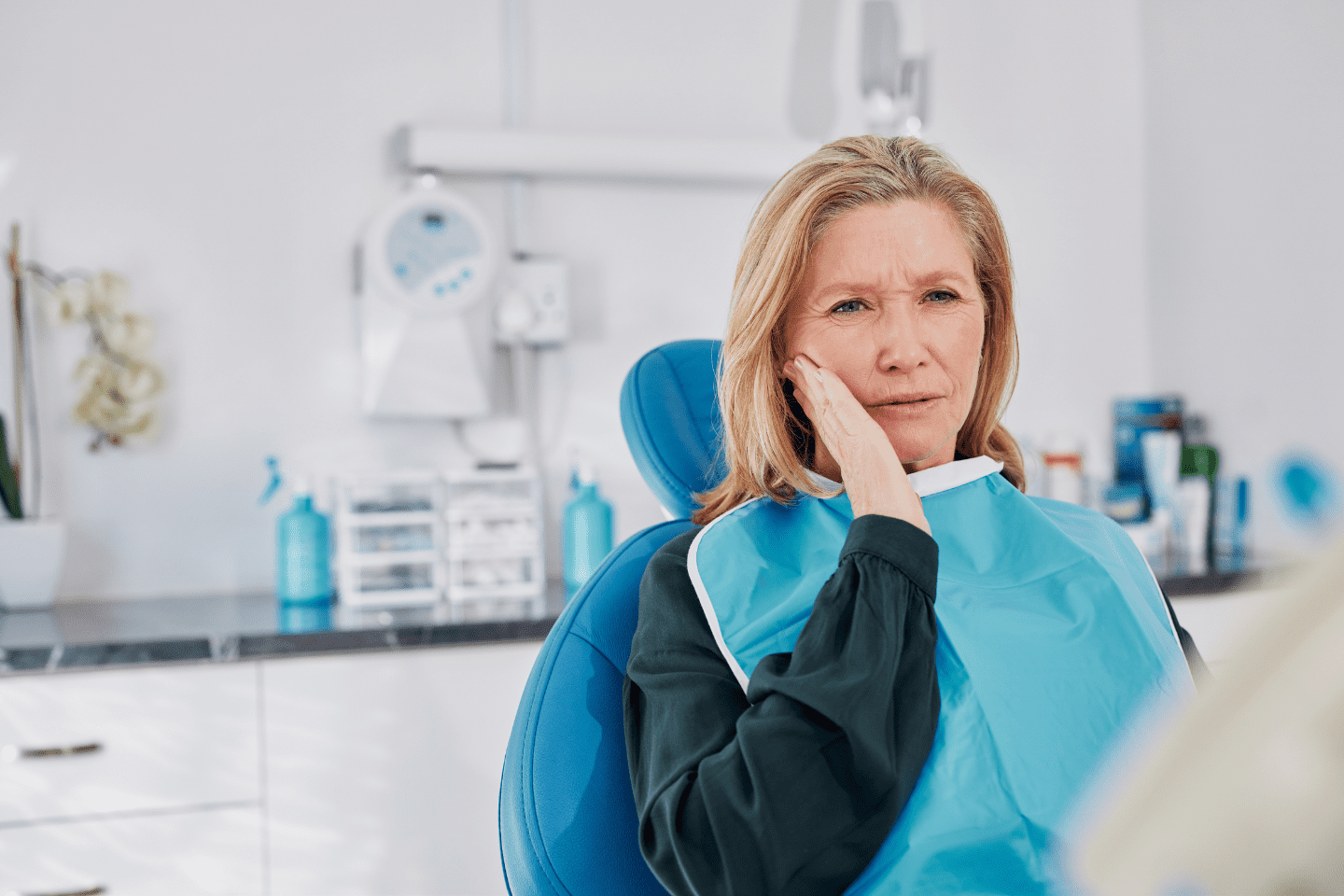

Can You Have Dental Implants if You Have Osteopenia?
When you start looking for a permanent way to fix missing teeth, dental implants almost always come up as the top choice. They look like the real thing, they don’t slip around, and they can genuinely change how you feel about your smile. But if you have been diagnosed with osteopenia, you might feel a bit of a “wait a minute” moment. You might wonder if your bone is strong enough to hold an implant or if your medical history means you aren’t a candidate anymore.
At Royal Dental Care Schaumburg, we believe you deserve an honest, person-to-person conversation about your health. Osteopenia is incredibly common, especially as we get older, but it definitely doesn’t mean you have to give up on the idea of a healthy smile. Understanding how bone density interacts with dental implants Schaumburg IL is the best way to move forward with confidence.
What Osteopenia Really Means for Your Jaw
To get a clear picture of how implants work with osteopenia, it helps to think of your bone health on a sliding scale. On one side, you have high bone density. On the far other side is osteoporosis, where bones become more porous. Osteopenia is right in the middle. It essentially means your bone density is lower than average, but it hasn’t reached that fragile stage of osteoporosis yet.
For a dental implant to stay put, it has to go through a process called osseointegration. This is just a fancy way of saying that your jawbone needs to grow around and “hug” the titanium post. This fusion is what gives the implant its strength. Naturally, if your bone is a little less dense than normal, it is something your dental team needs to plan for carefully.
The Good News: You Probably Still Can
The short answer for most people is that yes, you can usually still have dental implants with osteopenia. Clinical studies have shown that patients with some systemic bone loss often have success rates that are very similar to everyone else.
The bone in your jaw is a bit unique compared to the bones in your hips or wrists. It is very reactive to the pressure and stimulation it gets from your teeth. At Royal Dental Care Schaumburg, we don’t just look at a general diagnosis from your doctor; we look specifically at the quality and the volume of the bone in your mouth. Many people with osteopenia still have plenty of high-quality jawbone to support an implant safely.
How We Plan for Your Success
While osteopenia isn’t a “no,” it does mean we take a few extra precautions to make sure your implant lasts for the long haul.
Discussing Your Medications
One of the most important parts of our conversation won’t be about your teeth at all—it will be about any medications you are taking for your bone health. Some drugs used to manage bone density, like bisphosphonates, can change how the jawbone heals after a procedure. We often coordinate with your primary doctor to make sure the timing of your implant is perfect for your body’s healing cycle.
Strengthening the Foundation
If we find that the bone in one specific area is a bit thin or soft, we have solutions for that. Bone grafting is a very common, routine procedure where we add a small amount of bone material to the site. This encourages your body to grow new, stronger bone right where we need it, giving us a solid foundation to work with.
3. Choosing the Right Techniques
There are different types of implants and ways to place them that are designed for different bone qualities. In some cases, we might use an implant with a slightly different shape to increase the surface area that touches the bone, or we might simply give you a little extra healing time before we put the final tooth on top.
Lifestyle Choices Matter
Your body’s ability to heal and keep your bone strong is heavily influenced by what you do every day. If you are managing osteopenia, making sure you are getting enough calcium and vitamin D is a big deal. These are the building blocks of your bone. We also encourage our patients to kick any smoking habits, as smoking restricts the blood flow your gums and bone need to heal properly.
Why Professional Care in Schaumburg Makes a Difference
Choosing the right team for dental implants Schaumburg IL is vital when you have a health condition to consider. You want a team that looks at you as a whole person, not just a set of teeth that need fixing.
At Royal Dental Care Schaumburg, we use advanced 3D imaging to get a high-definition view of your jaw. This lets us plan your implant placement with incredible precision, avoiding any weak spots and making the most of your strongest bone. We are all about transparency, and we will always give you a realistic look at your options based on your actual scans.
Frequently Asked Questions
Q: Does having osteopenia make the surgery more painful?
A: Not at all. The procedure is done with local numbing, so you should be perfectly comfortable during the visit. Your bone density doesn’t change how the procedure feels. We also have comfort options to help you stay relaxed throughout the process.
Q: Will it take longer for my mouth to heal?
A: It might. Sometimes we prefer to let the bone have a little extra “quiet time” to fuse with the implant before we put the permanent crown on. This patient approach is often the best way to make sure the implant stays stable for life.
Q: Can osteopenia make an implant fail years later?
A: Interestingly, once an implant is fused, it actually helps keep the bone healthy. By giving your jaw something to “do” (like chewing), the implant can actually help slow down the bone loss that usually happens when a tooth is missing.
Q: Should I wait until my bone density gets better before I get implants?
A: Actually, waiting can sometimes make things harder. When a tooth is missing, the bone in that area starts to shrink because it isn’t being used. Getting an implant can actually help you “save” the bone you still have.
Q: What if I have osteoporosis, not just osteopenia?
A: Even with osteoporosis, implants are often still an option. It just requires even more detailed planning and a closer look at your medical history. Every case is unique, so it is always worth a consultation.
Focused on the Person, Not Just the Procedure
We know that getting a health diagnosis like osteopenia can be a bit overwhelming. It might make you feel like your body is working against you, but we are here to show you that a full, healthy smile is still very much within reach.
At Royal Dental Care Schaumburg IL, we take pride in being a partner in your health. We want to hear your questions and talk through your worries. We aren’t just here to do a job; we are here to help you get your confidence back and make sure you can eat, talk, and laugh without a second thought.
Your smile is a huge part of who you are. If you have been worried that low bone density is a dealbreaker, let’s look at the facts together. You might be surprised at how much is possible with modern dentistry and a team that truly cares about your outcome.
Contact Royal Dental Care Schaumburg today to schedule a consultation. We look forward to meeting you and finding the best path toward a healthy, lasting smile.
Real Patients. Real Reviews.



Luke
1 year ago
Isabella was great!! Highly recommend her

Julia Swider
1 year ago
Great experience, everyone is very kind and patient. Take time to educate you on what is going on, which is much appreciated. Highly recommend!
Response from the owner
Hi Julia,
Thank you for leaving us a review! Your feedback is appreciated.2 years ago

Pawel Blaszczak
1 year ago

Casey Kinsella
1 year ago
The atmosphere was great. The professionals were friendly. The communication between the office, dentist and patient was awful. I’ve found this with most dentist offices that once they get your money, they forget about you. Not happy with the customer service.

Scott Donaldson
1 year ago

Szymon Szuster
1 year ago

Ozzie Skenderi
1 year ago
Everyone is so nice and helpful!! They are great!!
Response from the owner
Hi Ozzie,
We appreciate you taking the time to provide your feedback. We're happy to hear you had a positive experience at our practice!2 years ago

Jacqueline Hernandez
1 year ago
Really clean and great service

Rafal Raszewski
1 year ago

vivian trankina (viv)
1 year ago
amazing service everyone is kind here i’ve been going here for about 2 ywars

Keluarga Bahagia
1 year ago
Since I moved from another dentist to this Royal Dental treatment has felt so amazing, all the women who work at the desk are very kind to help me and my husband for scheduling, especially for me a dental cleaner who cleans my teeth Lois is my favorite, she is very friendly and does clean details. The dentist is also good, twice helped by the dentist forgot his name, he is also very helpful to check, for all the good and happy come to this Kingdom's teeth

Karina Czajko
1 year ago
Very professional, always respectful! Highly recommend!

Yoly navarrete
1 year ago
The atmosphere is beautiful the place is very clean. Very professional service. I went in for a free consultation. They were very thorough at explaining everything. I will be coming back and I Recommend them.

Alyssa Silvia
1 year ago
Response from the owner
Hi Alyssa Silvia Thanks for visiting Royal Dental Care. We truly value your feedback and your confidence in our team.
1 year ago

Amreen Jalal
1 year ago
izabela was so sweet and made the entire appointment very easy and enjoyable. the environment was really friendly, welcoming and clean. would definitely recommend to others, they’re very thorough with their work!
Response from the owner
Hi Amreen Jalal Thanks for taking the time to leave a review. Your input helps us continue providing high-quality care at Royal Dental Care.
1 year ago

LUKASZ WROBLEWSKI
1 year ago
This is a great place for those who want a gentle dentist, a thorough hygienist, and friendly staff. Everyone is so nice, and the whole office is clean and modern.
Response from the owner
Hi LUKASZ WROBLEWSKI Thank you for your kind words. We're so pleased to know you had a great experience at Royal Dental Care. 1 year ago

Katherine Dynak
1 year ago
Pretty good service
Response from the owner
Hi Katherine Dynak Your feedback means a lot to our team. We're committed to continuing the excellent care you’ve come to expect. 1 year ago

Melissa
1 year ago
Very friendly staff. Professional, I’ve been coming here for years now
Response from the owner
Hi Melissa We appreciate your support and are grateful you chose Royal Dental Care for your dental needs. Looking forward to seeing you again. 1 year ago

Bobby Anderson
1 year ago
I love this place! Been coming for years. I’ve had a lot of work done lol
Response from the owner
Hi Bobby Anderson Thank you for your kind words. We're so pleased to know you had a great experience at Royal Dental Care. 1 year ago

Rosa Rendon
1 year ago
Very good experience, Israa was amazing and did a great job
Response from the owner
Hi Rosa Rendon Your feedback means a lot to our team. We're committed to continuing the excellent care you’ve come to expect. 1 year ago