
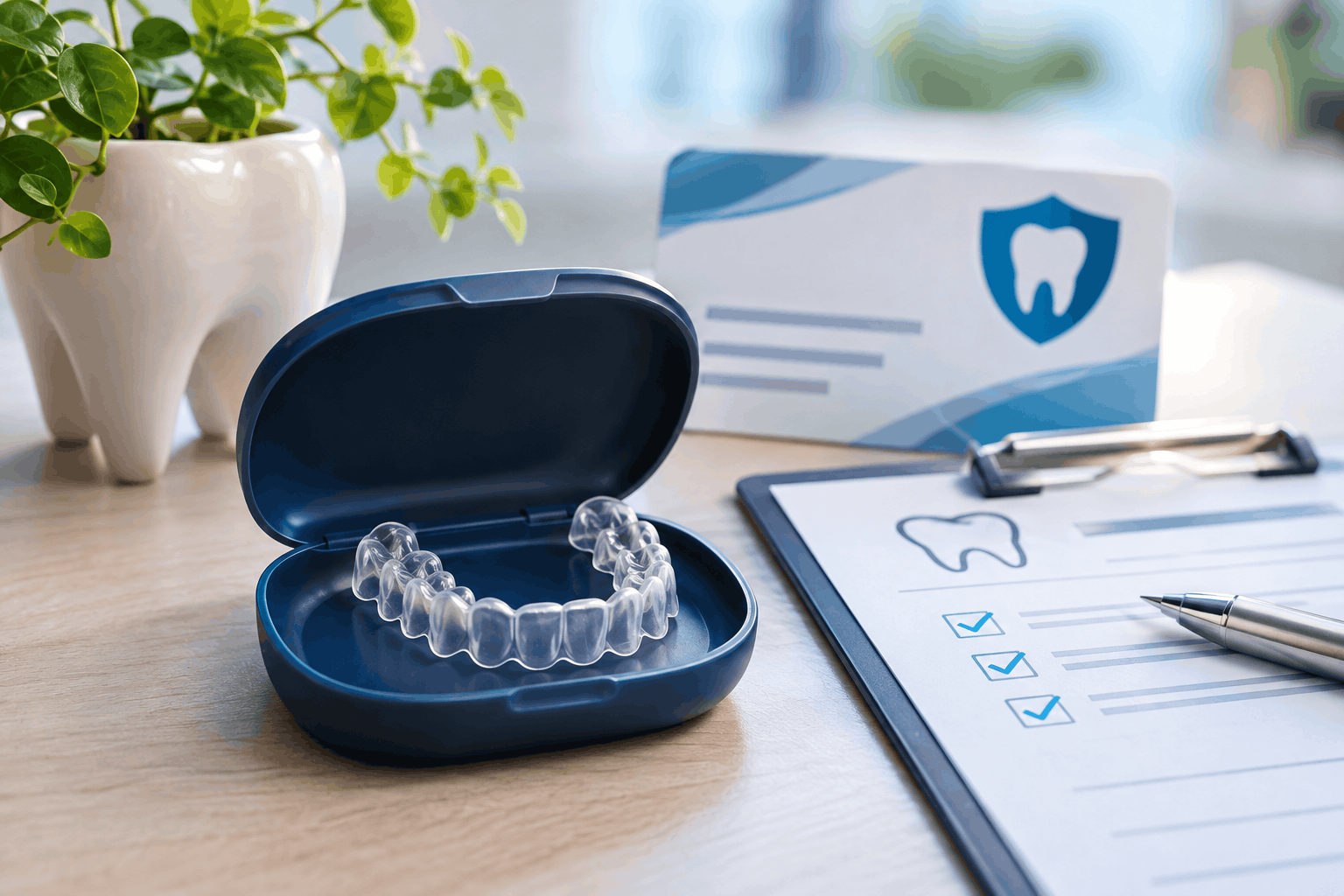

Does Insurance Cover Invisalign? What You Should Know Before Starting
Crooked teeth do a lot more than affect your photos. When your bite is off or your teeth are crowded, keeping them clean gets harder. Food gets trapped, plaque builds up, and before long you may be dealing with uneven tooth wear or gum trouble that could have been avoided.
If you have been looking at ways to straighten your teeth, Invisalign is probably on your radar. Clear aligners are popular for good reason: they are discreet and removable, so you can take them out to eat. See how Invisalign works if you are new to the treatment. But the first thing on most people’s minds is the cost. Does dental insurance actually cover Invisalign?
Many plans do offer some coverage, but the details vary depending on your insurer, your age, and the terms of your policy. Knowing how your benefits work ahead of time keeps you from being caught out by surprise bills.
How Insurance Providers View Invisalign
In the past, insurance companies often treated clear aligners as a cosmetic extra, while traditional metal braces were the standard. That has changed. Today, many insurers group Invisalign under the same umbrella as braces: orthodontic benefits.
Whether your plan pays usually comes down to three things:
- Orthodontic Coverage: Not every dental plan includes orthodontic benefits by default. If your policy includes an orthodontic benefit or add-on, clear aligners may be covered under it.
- Lifetime Maximums: Standard dental benefits reset each year, but orthodontic benefits are often a one-time lifetime maximum per person.
- Age Limits: Some plans limit orthodontic benefits to children and teenagers, while others cover adults too. Your policy documents will tell you which applies.
What You May Pay Out of Pocket
Insurance rarely covers the full cost of clear aligner treatment. Plans more commonly pay a percentage of the cost, up to your lifetime maximum. The final cost depends on the level of correction needed and the number of aligner trays, and your dentist can provide an estimate at your consultation. Here is how the financial picture typically breaks down:
Diagnostic Scans and Consultation
Before you receive your first tray, your dentist evaluates your teeth and takes a digital scan so your treatment can be planned step by step. Some plans cover part of this initial phase under diagnostic benefits.
Your Aligner Trays
This is the core of the cost. A series of custom aligners gradually moves your teeth into position. If your plan has orthodontic benefits, your insurer may contribute toward this overall fee. Treatment length also plays a part, and how long Invisalign takes varies from patient to patient.
Retainers After Treatment
Once your teeth are straight, you need retainers to keep them in place. Some practices include retainers in the treatment fee, while others charge separately, so ask when you get your estimate.
Important Rules to Double-Check First
Before booking your first appointment, call your insurer or check your benefits booklet for these common fine-print points:
- Waiting Periods: Some plans require you to be enrolled for a set time before orthodontic benefits begin. Ask whether a waiting period applies to you.
- Lifetime Maximums: Once your plan has paid out its orthodontic maximum, you are responsible for the remaining balance.
To avoid surprises, ask your dental office to send a pre-determination of benefits to your insurer before you start. It gives you an estimate of what the plan expects to pay and what your balance may be.
Simple Ways to Pay for Clear Aligners
If your policy excludes adult orthodontics or leaves a balance you would rather spread out, you still have options. Our guide to dental care financing covers them in more detail.
- In-House Payment Plans: Spreading the cost over time can make treatment easier to budget for.
- Third-Party Healthcare Financing: Programs such as CareCredit® are available to help cover treatment costs. Eligibility, approval, and terms vary.
- HSA or FSA Funds: If you have a Health Savings Account or Flexible Spending Account, you may be able to use pre-tax funds toward treatment. Check eligibility with your plan administrator.
Clear Aligner Care in Schaumburg, IL
Decoding insurance forms while choosing the right treatment can feel like a headache. Having a supportive local team in your corner makes every step simpler.
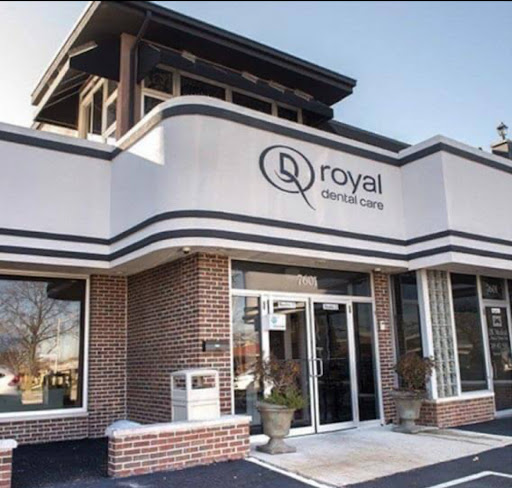
At Royal Dental Care in Schaumburg, patients receive personalized clear aligner treatment built around their smile goals. We care for individuals and families across Schaumburg, Hoffman Estates, Palatine, and neighboring areas.
Whether you want to close a gap, correct crowding, or improve your bite, we will talk you through what Invisalign can and cannot fix and how it compares with traditional braces. Our team can also help you review your benefits and provide a treatment estimate, and our orthodontics services cover other options if aligners are not the best fit.
Schedule Your Consultation Today
Ready to start working toward a straighter smile? Reach out to Royal Dental Care in Schaumburg today to book your initial evaluation, review your insurance coverage, and talk through payment options.
Frequently Asked Questions
Is Invisalign more expensive than regular metal braces?
The costs are often comparable. Many insurance plans classify both treatments under the same orthodontic category, so your out-of-pocket cost for aligners may be similar to traditional braces. The exact figure depends on your treatment and your plan.
Can adults get insurance coverage for clear aligners?
It depends on your policy. Some plans limit orthodontic coverage to dependent children, while others include adults. Your dental team can help you check what your plan says.
What if I change insurance plans in the middle of treatment?
Your new insurer may cover part of your remaining treatment, but this depends on its policy for treatment already in progress. Asking your new provider for a pre-authorization or benefits check will confirm what is covered.
How many months does clear aligner treatment take?
Most Invisalign treatments average between 12 and 18 months, though some can be as short as six months or as long as two years. Your dentist will give you a more accurate timeline during your consultation.
Real Patients. Real Reviews.



Luke
1 year ago
Isabella was great!! Highly recommend her

Julia Swider
1 year ago
Great experience, everyone is very kind and patient. Take time to educate you on what is going on, which is much appreciated. Highly recommend!
Response from the owner
Hi Julia,
Thank you for leaving us a review! Your feedback is appreciated.2 years ago

Pawel Blaszczak
1 year ago

Casey Kinsella
1 year ago
The atmosphere was great. The professionals were friendly. The communication between the office, dentist and patient was awful. I’ve found this with most dentist offices that once they get your money, they forget about you. Not happy with the customer service.

Scott Donaldson
1 year ago

Szymon Szuster
1 year ago

Ozzie Skenderi
1 year ago
Everyone is so nice and helpful!! They are great!!
Response from the owner
Hi Ozzie,
We appreciate you taking the time to provide your feedback. We're happy to hear you had a positive experience at our practice!2 years ago

Jacqueline Hernandez
1 year ago
Really clean and great service

Rafal Raszewski
1 year ago

vivian trankina (viv)
1 year ago
amazing service everyone is kind here i’ve been going here for about 2 ywars

Keluarga Bahagia
1 year ago
Since I moved from another dentist to this Royal Dental treatment has felt so amazing, all the women who work at the desk are very kind to help me and my husband for scheduling, especially for me a dental cleaner who cleans my teeth Lois is my favorite, she is very friendly and does clean details. The dentist is also good, twice helped by the dentist forgot his name, he is also very helpful to check, for all the good and happy come to this Kingdom's teeth

Karina Czajko
1 year ago
Very professional, always respectful! Highly recommend!

Yoly navarrete
1 year ago
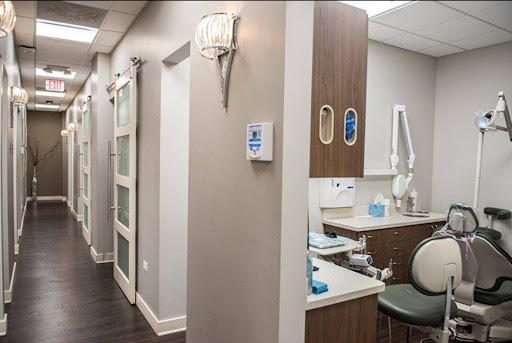
The atmosphere is beautiful the place is very clean. Very professional service. I went in for a free consultation. They were very thorough at explaining everything. I will be coming back and I Recommend them.

Alyssa Silvia
1 year ago
Response from the owner
Hi Alyssa Silvia Thanks for visiting Royal Dental Care. We truly value your feedback and your confidence in our team.
1 year ago

Amreen Jalal
1 year ago
izabela was so sweet and made the entire appointment very easy and enjoyable. the environment was really friendly, welcoming and clean. would definitely recommend to others, they’re very thorough with their work!
Response from the owner
Hi Amreen Jalal Thanks for taking the time to leave a review. Your input helps us continue providing high-quality care at Royal Dental Care.
1 year ago

LUKASZ WROBLEWSKI
1 year ago
This is a great place for those who want a gentle dentist, a thorough hygienist, and friendly staff. Everyone is so nice, and the whole office is clean and modern.
Response from the owner
Hi LUKASZ WROBLEWSKI Thank you for your kind words. We're so pleased to know you had a great experience at Royal Dental Care. 1 year ago

Katherine Dynak
1 year ago
Pretty good service
Response from the owner
Hi Katherine Dynak Your feedback means a lot to our team. We're committed to continuing the excellent care you’ve come to expect. 1 year ago

Melissa
1 year ago
Very friendly staff. Professional, I’ve been coming here for years now
Response from the owner
Hi Melissa We appreciate your support and are grateful you chose Royal Dental Care for your dental needs. Looking forward to seeing you again. 1 year ago

Bobby Anderson
1 year ago
I love this place! Been coming for years. I’ve had a lot of work done lol
Response from the owner
Hi Bobby Anderson Thank you for your kind words. We're so pleased to know you had a great experience at Royal Dental Care. 1 year ago

Rosa Rendon
1 year ago
Very good experience, Israa was amazing and did a great job
Response from the owner
Hi Rosa Rendon Your feedback means a lot to our team. We're committed to continuing the excellent care you’ve come to expect. 1 year ago