
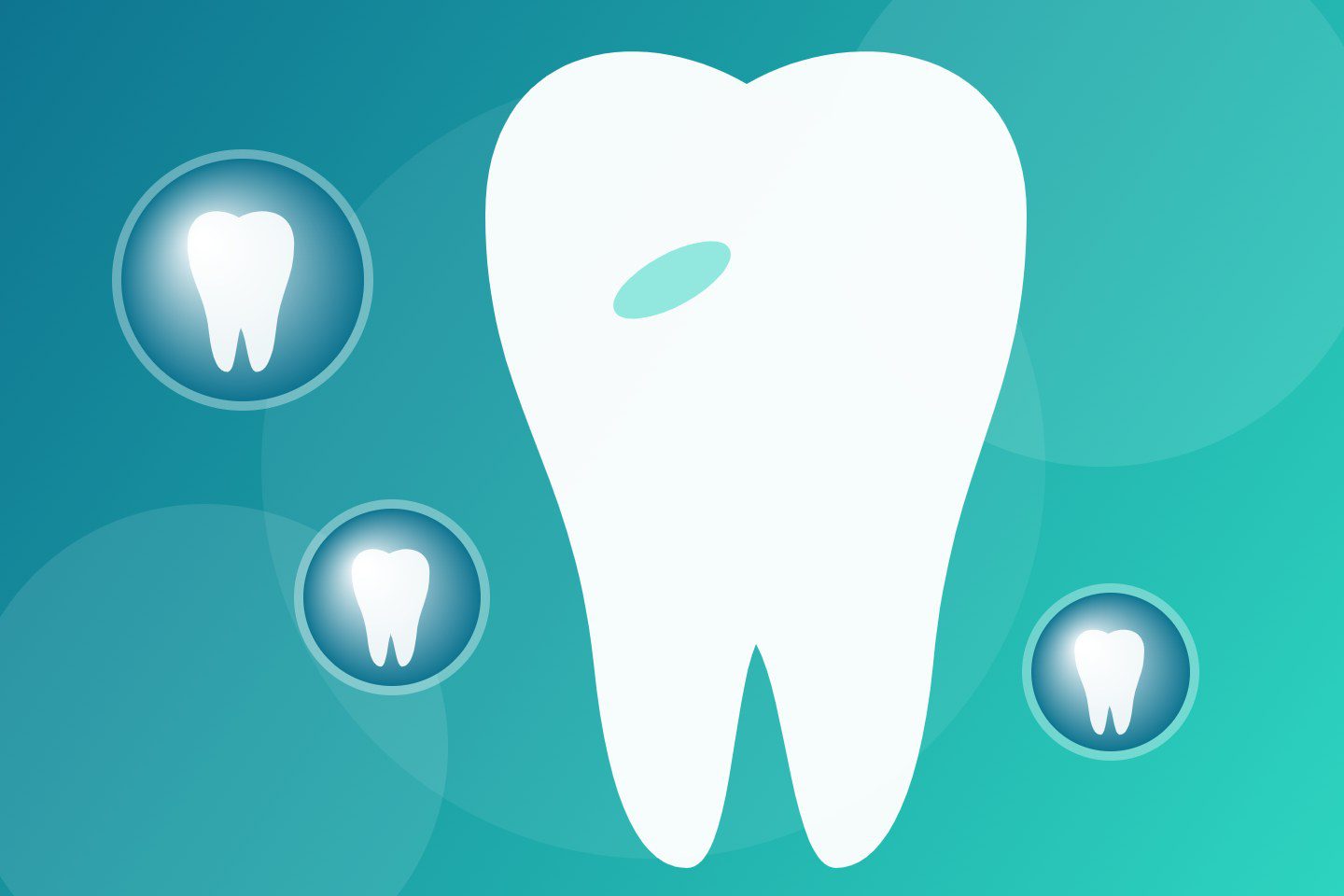

Inlay vs. Onlay vs. Crown: Which Do You Need?
Cracking a molar while chewing on something hard, or finding a deep cavity during a routine checkup, leaves you facing a common dental dilemma. Your tooth is too damaged for a simple filling, but it may not be broken enough to need a full-coverage cap.
That is right where inlays, onlays, and dental crowns come into play. Dentists use these three restorations to rebuild damaged teeth, but they work in different ways and cover different amounts of the tooth surface.
If you are trying to figure out what kind of fix you need in Norridge, understanding how these options compare makes your next dental visit much easier to navigate. Let us break down the differences in plain, simple English.
What Is a Dental Inlay?
A dental inlay is a custom-made restoration used when decay or damage sits in the middle of your tooth, inside the cusps (the raised bumps on the chewing surface).
- How It Looks: Think of an inlay almost like a traditional filling, but instead of being placed in the tooth as a soft material, it is crafted as a solid, custom piece and then bonded into place.
- Best Used For: Cavities or cracks sitting in the center of a back tooth where the outer walls are still strong and intact. Catching decay early, as covered in our guide to cavity signs and next steps, helps keep treatment conservative.
- The Main Perk: Inlays preserve more of your natural tooth structure than a full crown because only the damaged inner portion is removed.
What Is a Dental Onlay?
A dental onlay is often called a partial crown. It is similar to an inlay, but it goes a step further by covering not just the center of the tooth, but also one or more of the chewing cusps.
- How It Looks: An onlay cups over the bumpy edges of your tooth to reinforce areas that have taken heavy chewing damage or started to crack.
- Best Used For: Larger cavities or fractures that stretch across the biting surface and weaken the outer walls of the tooth, but do not require wrapping the entire tooth.
- The Main Perk: It adds strength where you bite down hardest, which may save you from needing a full-coverage crown while still providing solid protection.
What Is a Dental Crown?
A dental crown, often referred to as a cap, is the heavy hitter of restorative dentistry. It covers the entire visible part of your tooth down to the gumline like a protective helmet.
- How It Looks: Your dentist reshapes the tooth all the way around to create a stable base, and then cements a custom cap securely over the top.
- Best Used For: Severely broken teeth, teeth with large old fillings that have failed, teeth that have had root canal treatment, or teeth with heavy structural cracks.
- The Main Perk: Maximum protection. A crown wraps the entire tooth in a strong, tooth-colored material, restoring chewing strength even when the tooth is badly compromised. You can read more about the benefits of dental crowns.
Comparing Inlays, Onlays, and Crowns Side by Side
Breaking down how much of the tooth each option covers helps make the choice clearer:
Dental Inlays
- Coverage Area: Fits inside the cusps on the biting surface.
- Tooth Preservation: Keeps the maximum amount of natural tooth structure.
- Durability: A good fit for moderate decay in the center of the tooth.
Dental Onlays
- Coverage Area: Covers the center plus one or more biting cusps.
- Tooth Preservation: Preserves healthy side walls while protecting the top.
- Durability: A strong middle ground between a filling and a full crown.
Dental Crowns
- Coverage Area: Wraps around the whole visible tooth down to the gums.
- Tooth Preservation: Requires reshaping more of the natural tooth to fit the cap.
- Durability: The most comprehensive fix for heavily damaged teeth.
How Your Dentist Chooses the Right Repair
When you sit in the dental chair with a broken or decayed tooth, your dentist looks at a few simple factors to decide which treatment is right for you:
- The Extent of the Damage: If the damage is small and sits in the middle, an inlay may work well. If a corner or cusp has split off, an onlay is often a better fit. If most of the tooth is gone, a crown is usually needed. A cracked tooth always needs a proper exam to decide.
- Structural Integrity: If the remaining walls of your tooth are thin and weak, an inlay or onlay may not give enough support, and the tooth could split further under pressure. In that case, a crown is the safer choice.
- Previous Dental Work: Teeth that already have large, old fillings often need the full support of a crown to keep them from cracking down the road.
Restorative Dental Care at Royal Dental Care in Norridge
Dealing with a cracked tooth or deep decay is never fun, but getting the right restoration the first time can save you from future pain and repeat visits.
At Royal Dental Care in Norridge, our team takes the time to examine your bite, review your X-rays, and walk you through the restoration that best fits your tooth, so you understand your options before treatment begins.
Ready to Get Your Tooth Fixed?
Do not wait until a small crack turns into a painful dental emergency or a lost tooth.
For honest advice and expert restorative care, request an appointment with Royal Dental Care today, or give our office a call to schedule your evaluation.
Frequently Asked Questions
Are inlays and onlays made of the same material as dental crowns?
Often, yes. Inlays, onlays, and crowns are made from strong, tooth-colored materials. Your dentist will recommend the material that suits your tooth and bite.
Do I need to be numbed for an inlay or onlay procedure?
Yes, your dentist will use local anesthesia to numb the area while the decay is cleaned out and the tooth is prepared, so you stay comfortable.
How long do inlays and onlays last?
With good daily brushing and flossing and regular checkups, inlays and onlays can last many years. How long yours lasts depends on your bite, your habits, and your oral hygiene.
Why would a dentist choose an onlay instead of a full crown?
Dentists prefer to save as much healthy tooth structure as possible. If an onlay can protect the bite while leaving the healthy sides of your tooth untouched, it is a more conservative choice than a full crown.
Real Patients. Real Reviews.



Luke
1 year ago
Isabella was great!! Highly recommend her

Julia Swider
1 year ago
Great experience, everyone is very kind and patient. Take time to educate you on what is going on, which is much appreciated. Highly recommend!
Response from the owner
Hi Julia,
Thank you for leaving us a review! Your feedback is appreciated.2 years ago

Pawel Blaszczak
1 year ago

Casey Kinsella
1 year ago
The atmosphere was great. The professionals were friendly. The communication between the office, dentist and patient was awful. I’ve found this with most dentist offices that once they get your money, they forget about you. Not happy with the customer service.

Scott Donaldson
1 year ago

Szymon Szuster
1 year ago

Ozzie Skenderi
1 year ago
Everyone is so nice and helpful!! They are great!!
Response from the owner
Hi Ozzie,
We appreciate you taking the time to provide your feedback. We're happy to hear you had a positive experience at our practice!2 years ago

Jacqueline Hernandez
1 year ago
Really clean and great service

Rafal Raszewski
1 year ago

vivian trankina (viv)
1 year ago
amazing service everyone is kind here i’ve been going here for about 2 ywars

Keluarga Bahagia
1 year ago
Since I moved from another dentist to this Royal Dental treatment has felt so amazing, all the women who work at the desk are very kind to help me and my husband for scheduling, especially for me a dental cleaner who cleans my teeth Lois is my favorite, she is very friendly and does clean details. The dentist is also good, twice helped by the dentist forgot his name, he is also very helpful to check, for all the good and happy come to this Kingdom's teeth

Karina Czajko
1 year ago
Very professional, always respectful! Highly recommend!

Yoly navarrete
1 year ago
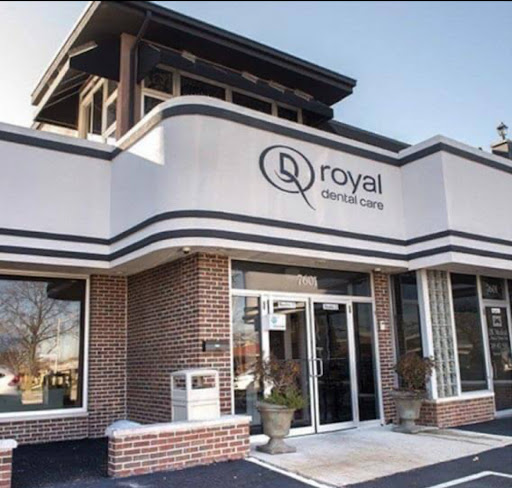
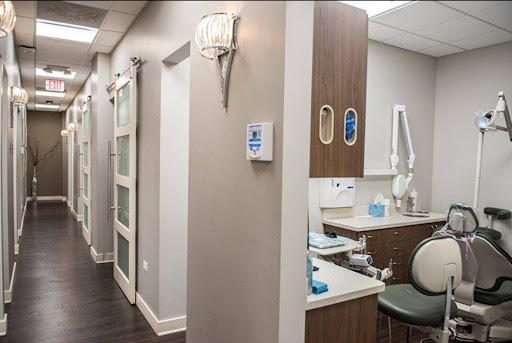
The atmosphere is beautiful the place is very clean. Very professional service. I went in for a free consultation. They were very thorough at explaining everything. I will be coming back and I Recommend them.

Alyssa Silvia
1 year ago
Response from the owner
Hi Alyssa Silvia Thanks for visiting Royal Dental Care. We truly value your feedback and your confidence in our team.
1 year ago

Amreen Jalal
1 year ago
izabela was so sweet and made the entire appointment very easy and enjoyable. the environment was really friendly, welcoming and clean. would definitely recommend to others, they’re very thorough with their work!
Response from the owner
Hi Amreen Jalal Thanks for taking the time to leave a review. Your input helps us continue providing high-quality care at Royal Dental Care.
1 year ago

LUKASZ WROBLEWSKI
1 year ago
This is a great place for those who want a gentle dentist, a thorough hygienist, and friendly staff. Everyone is so nice, and the whole office is clean and modern.
Response from the owner
Hi LUKASZ WROBLEWSKI Thank you for your kind words. We're so pleased to know you had a great experience at Royal Dental Care. 1 year ago

Katherine Dynak
1 year ago
Pretty good service
Response from the owner
Hi Katherine Dynak Your feedback means a lot to our team. We're committed to continuing the excellent care you’ve come to expect. 1 year ago

Melissa
1 year ago
Very friendly staff. Professional, I’ve been coming here for years now
Response from the owner
Hi Melissa We appreciate your support and are grateful you chose Royal Dental Care for your dental needs. Looking forward to seeing you again. 1 year ago

Bobby Anderson
1 year ago
I love this place! Been coming for years. I’ve had a lot of work done lol
Response from the owner
Hi Bobby Anderson Thank you for your kind words. We're so pleased to know you had a great experience at Royal Dental Care. 1 year ago

Rosa Rendon
1 year ago
Very good experience, Israa was amazing and did a great job
Response from the owner
Hi Rosa Rendon Your feedback means a lot to our team. We're committed to continuing the excellent care you’ve come to expect. 1 year ago