
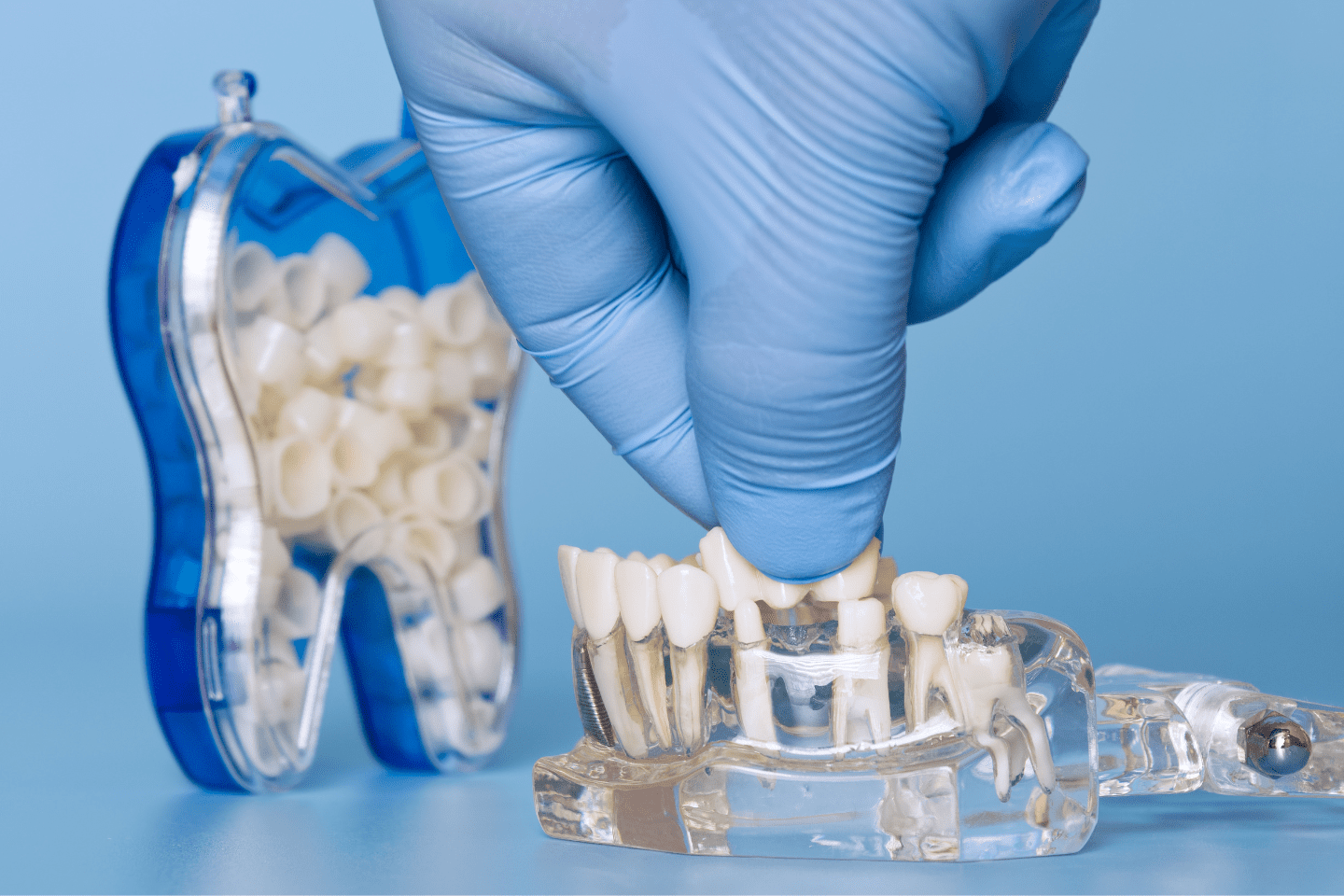

Is a Dental Bridge Permanent in Norridge?
When you are looking to fill a gap left by a missing tooth, the word “permanent” comes up a lot. It is a big commitment to change your smile, and you want to know if the solution you choose is going to stand the test of time.
At Royal Dental Care in Norridge, we often describe a dental bridge as a “fixed” restoration. While it is not a part of your natural anatomy that grows with you, it is designed to stay in your mouth 24/7 for a very long time. Unlike a partial denture that you pop in and out at night, a bridge is bonded securely to your existing teeth. It becomes a stable, functional part of your life that you can eventually stop thinking about altogether.
The Difference Between Fixed and Forever
In the world of dentistry, we use the word permanent to describe anything that is not removable by the patient. Once we place a dental bridge in our Norridge office, it is cemented onto the healthy teeth on either side of the gap. These “anchor” teeth provide the foundation, and the “pontic” (the replacement tooth) sits firmly in the middle.
However, it is important to be realistic about the lifespan of any dental work. While a bridge is a permanent fixture in your mouth, the materials,usually high-quality porcelain or ceramic,will eventually experience wear and tear. Most bridges last between ten and fifteen years, though we have many patients in Norridge whose bridges have stayed in perfect condition for twenty years or more. So, while the procedure is a permanent change to your teeth, the restoration itself might eventually need a refresh down the road.
How is the Bridge Secured to Your Smile?
To make a bridge permanent, we have to prepare the anchor teeth. This involves removing a small amount of enamel from the teeth on both sides of the gap so that a crown can fit over them perfectly. This is an irreversible step, which is why we consider a bridge a lifelong commitment. Because those anchor teeth have been reshaped, they will always need to be protected by a crown or a bridge.
At Royal Dental Care, we use advanced dental adhesives that create a chemical and physical bond between your tooth and the bridge. Once that cement cures, the bridge is not going anywhere. You can eat, speak, and laugh without any fear of it shifting or falling out. It feels just like your natural teeth because it is anchored to your natural root system.
What Affects the Longevity of Your Bridge?
Since a bridge relies on the health of the surrounding teeth, its “permanence” is actually tied to your overall oral hygiene. The bridge itself cannot get a cavity, but the natural teeth underneath the crowns certainly can. If decay starts at the gum line where the bridge meets the tooth, it can compromise the entire structure.
In Norridge, we always emphasize the importance of cleaning under the bridge. Since the replacement tooth does not have a root, there is a tiny space between it and your gums. Using a bridge threader or a water flosser is the best way to keep that area clear of food particles and bacteria. If you keep the foundation strong, your bridge will remain a permanent, beautiful part of your smile for a decade or more.
The Choice Between a Bridge and an Implant
When people ask if a bridge is permanent, they are often comparing it to a dental implant. An implant is considered even more “permanent” because it is fused directly into the jawbone and does not rely on the neighboring teeth. However, a bridge is often the preferred choice for patients in Norridge who want a faster result or who may not have enough bone density for an implant surgery.
A bridge provides immediate stability and can be completed in just two visits. For many of our neighbors, the fact that it is a non-surgical, fixed solution makes it the perfect “permanent” fix for their lifestyle. We sit down with every patient to weigh these options, looking at your bone health, your budget, and your long-term goals to see which version of “permanent” is right for you.
Daily Life with a Permanent Bridge
One of the best things about a fixed bridge is that it restores your confidence in public. You don’t have to worry about the dietary restrictions that come with removable appliances. While we still suggest you avoid using your teeth to open packages or biting down on ice cubes, a bridge allows you to enjoy a full, varied diet.
Most of our Norridge patients tell us that after a week or two, they completely forget the bridge is even there. It matches the color and shape of your existing teeth so perfectly that even you might have a hard time remembering which tooth was the replacement. That seamless integration is the hallmark of a high-quality, permanent restoration at Royal Dental Care.
Signs Your Bridge Might Need Attention
Even though it is a permanent fixture, you should keep an eye on how it feels. If you notice a “click” when you bite down, or if the bridge feels like it has a tiny bit of “give,” it might mean the cement is starting to age. Catching a loose bridge early is vital because it allows us to simply clean and recement it before any bacteria can get underneath and cause a cavity.
Regular checkups at our Norridge office are the best way to protect your investment. We check the margins of the bridge at every visit to ensure the seal is still airtight. A little bit of professional maintenance goes a long way in turning a “ten-year” bridge into a “twenty-year” bridge.
Frequently Asked Questions
Q: Does it hurt to have a permanent bridge put in?
A: Not at all. We use local anesthesia to ensure the anchor teeth are completely numb during the preparation phase. Most patients find the process very similar to getting a standard filling. You might have a little bit of gum sensitivity for a day or two after the final bridge is cemented, but that fades very quickly.
Q: Can a permanent bridge be replaced if it breaks?
A: Yes, if a bridge is damaged or the porcelain chips, we can remove the old bridge and create a new one. The anchor teeth are already prepared, so the process for a replacement is usually even faster than the initial placement.
Q: How do I clean under my dental bridge?
A: This is the most important part of bridge care! Because you cannot floss “through” the teeth like normal, you use a bridge threader, a small plastic loop that helps you pull floss under the replacement tooth. Many of our Norridge patients also love using a water flosser, which makes cleaning around the bridge incredibly easy and effective.
Conclusion
A dental bridge is a fantastic, permanent solution for anyone looking to restore their smile and their ability to chew with ease. While it might eventually need a replacement after a decade or more, the stability and confidence it provides are truly life-changing. At Royal Dental Care in Norridge, we take the time to design bridges that are as durable as they are beautiful, ensuring you get the most out of your investment.
If you are ready to fill that gap in your smile with a solution that stays put, we are here to help you every step of the way. Contact Royal Dental Care in Norridge today to schedule your consultation and see if a dental bridge is the right permanent choice for you.
Real Patients. Real Reviews.



Luke
1 year ago
Isabella was great!! Highly recommend her

Julia Swider
1 year ago
Great experience, everyone is very kind and patient. Take time to educate you on what is going on, which is much appreciated. Highly recommend!
Response from the owner
Hi Julia,Thank you for leaving us a review! Your feedback is appreciated.2 years ago

Pawel Blaszczak
1 year ago

Casey Kinsella
1 year ago
The atmosphere was great. The professionals were friendly. The communication between the office, dentist and patient was awful. I’ve found this with most dentist offices that once they get your money, they forget about you. Not happy with the customer service.

Scott Donaldson
1 year ago

Szymon Szuster
1 year ago

Ozzie Skenderi
1 year ago
Everyone is so nice and helpful!! They are great!!
Response from the owner
Hi Ozzie,We appreciate you taking the time to provide your feedback. We're happy to hear you had a positive experience at our practice!2 years ago

Jacqueline Hernandez
1 year ago
Really clean and great service

Rafal Raszewski
1 year ago

vivian trankina (viv)
1 year ago
amazing service everyone is kind here i’ve been going here for about 2 ywars

Keluarga Bahagia
1 year ago
Since I moved from another dentist to this Royal Dental treatment has felt so amazing, all the women who work at the desk are very kind to help me and my husband for scheduling, especially for me a dental cleaner who cleans my teeth Lois is my favorite, she is very friendly and does clean details. The dentist is also good, twice helped by the dentist forgot his name, he is also very helpful to check, for all the good and happy come to this Kingdom's teeth

Karina Czajko
1 year ago
Very professional, always respectful! Highly recommend!

Yoly navarrete
1 year ago
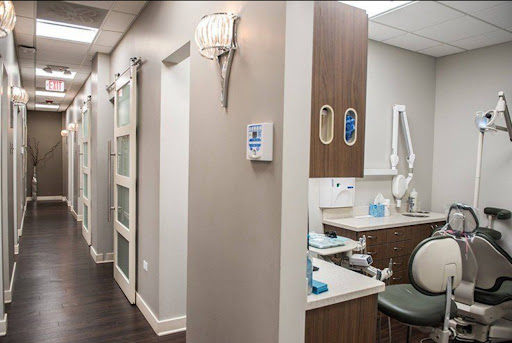
The atmosphere is beautiful the place is very clean. Very professional service. I went in for a free consultation. They were very thorough at explaining everything. I will be coming back and I Recommend them.

Alyssa Silvia
1 year ago
Response from the owner
Hi Alyssa Silvia Thanks for visiting Royal Dental Care. We truly value your feedback and your confidence in our team.1 year ago

Amreen Jalal
1 year ago
izabela was so sweet and made the entire appointment very easy and enjoyable. the environment was really friendly, welcoming and clean. would definitely recommend to others, they’re very thorough with their work!
Response from the owner
Hi Amreen Jalal Thanks for taking the time to leave a review. Your input helps us continue providing high-quality care at Royal Dental Care.1 year ago

LUKASZ WROBLEWSKI
1 year ago
This is a great place for those who want a gentle dentist, a thorough hygienist, and friendly staff. Everyone is so nice, and the whole office is clean and modern.
Response from the owner
Hi LUKASZ WROBLEWSKI Thank you for your kind words. We're so pleased to know you had a great experience at Royal Dental Care. 1 year ago

Katherine Dynak
1 year ago
Pretty good service
Response from the owner
Hi Katherine Dynak Your feedback means a lot to our team. We're committed to continuing the excellent care you’ve come to expect. 1 year ago

Melissa
1 year ago
Very friendly staff. Professional, I’ve been coming here for years now
Response from the owner
Hi Melissa We appreciate your support and are grateful you chose Royal Dental Care for your dental needs. Looking forward to seeing you again. 1 year ago

Bobby Anderson
1 year ago
I love this place! Been coming for years. I’ve had a lot of work done lol
Response from the owner
Hi Bobby Anderson Thank you for your kind words. We're so pleased to know you had a great experience at Royal Dental Care. 1 year ago

Rosa Rendon
1 year ago
Very good experience, Israa was amazing and did a great job
Response from the owner
Hi Rosa Rendon Your feedback means a lot to our team. We're committed to continuing the excellent care you’ve come to expect. 1 year ago