


How Bad Does a Root Canal Hurt? Schaumburg Dentist Answers
The very mention of the words root canal is often enough to make even the bravest person in Schaumburg cringe. It is one of those dental myths that has been passed down through generations, right alongside tall tales of old-fashioned dentistry. For many, the mental image involves loud drills and intense discomfort. This fear is so powerful that some people will live with a throbbing toothache for weeks rather than pick up the phone to call a dentist. They worry that the cure will be worse than the disease.
But here is the reality that most patients are surprised to learn: a root canal does not cause pain. It relieves it. When you have an infected tooth, the pain you feel is coming from the dying nerve inside. The procedure itself is designed to remove that infection and stop the agony for good. At Royal Dental Care, we see patients arrive in tears from tooth pain and leave feeling immense relief. Understanding the truth behind this common procedure can help you trade your anxiety for peace of mind.
The Story of the Persistent Toothache
Let us look at the experience of a typical patient we might see after a busy weekend at the Schaumburg Prairie Center for the Arts. Imagine a local resident named David. David noticed a slight sensitivity to cold water a few months ago. He figured it was just a minor issue and started using a different toothpaste. Eventually, that sensitivity turned into a sharp pain whenever he bit down on a sandwich. Still, David waited, fueled by his fear of the dentist’s chair.
One night, the pain became a constant, rhythmic throb that kept him awake until dawn. His face started to swell, and he couldn’t even touch the tooth with his tongue. By the time David arrived at Royal Dental Care, he was exhausted and desperate. He wasn’t afraid of the root canal anymore; he was afraid the pain would never stop. After a quick, numbing injection and about an hour in the chair, David was shocked to realize the pressure was gone. The “scary” procedure he had been avoiding was actually the very thing that gave him his life back.
What Does a Root Canal Actually Feel Like?
If you have ever had a standard cavity filled, you already know about 90 percent of what a root canal feels like. Modern dental technology and local anesthetics have advanced so much that the physical sensation is almost identical to getting a filling.
The Numbing Process
The first step in any restorative dentistry procedure is ensuring you don’t feel a thing. We use powerful local numbing agents to completely block the nerves around the affected tooth. You might feel a tiny pinch during the injection, but within minutes, the entire side of your mouth will feel heavy and numb. Once that happens, you won’t feel any sharp sensations or pain during the work.
The Sensation of Pressure
While you won’t feel pain, you will feel some pressure and hear the sounds of the dental instruments. This is often what people mistake for pain in their memories. You might feel the dentist moving the tooth or hear the hum of the tools, but it is a vibration rather than an ache. Many of our patients in Schaumburg actually find the experience relaxing enough to doze off or listen to their favorite podcast during the appointment.
Why Root Canals Are Necessary for Your Health
A root canal becomes necessary when the soft tissue inside your tooth, called the pulp, becomes inflamed or infected. This can happen due to deep decay, repeated dental procedures on the tooth, or a crack that isn’t visible to the naked eye. If you leave an infected tooth alone, the bacteria will eventually spread to the jawbone, leading to a painful abscess.
At this stage, your options are limited. You can either save the natural tooth with a root canal or have the tooth pulled and replaced with dental implants. We always prefer to save your natural tooth whenever possible. Your original tooth is stronger and better for your jaw health than any replacement, and a root canal is the most effective way to keep it in place for a lifetime.
Life After the Procedure: The Recovery Phase
One reason the “painful root canal” myth persists is because of the tenderness that can occur after the numbness wears off. It is important to distinguish between the procedure itself and the natural healing process of your body.
The First Few Days
Once the anesthetic leaves your system, the area around the tooth might feel a bit tender or bruised. This is perfectly normal. Your body is healing the ligaments around the tooth that were inflamed by the infection. Most patients find that over the counter pain relievers are more than enough to manage this minor discomfort. Within two or three days, most people feel completely back to normal.
Protecting the Tooth with a Crown
Because a tooth that has had a root canal no longer has a living nerve or blood supply, it can become brittle over time. To prevent it from cracking, we almost always recommend placing a dental crown over it. This cap protects the tooth from the pressure of chewing and ensures your oral health remains stable. Once the crown is on, the tooth looks and functions just like all your others.
How We Combat Dental Anxiety in Schaumburg
We know that even with all the facts, some people still feel a knot in their stomach at the thought of a dental chair. That is why we offer specialized options to make your visit as easy as possible.
If your fear is keeping you from getting the care you need, we provide sedation dentistry choices. From mild oral sedatives to deeper options, we can tailor the experience so that you feel completely calm and relaxed. Many patients have very little memory of the procedure at all, which is a great way to rewrite a negative association with the dentist. Combined with our focus on pediatric dentistry for the younger members of your family, we strive to make every visit positive for every age.
Frequently Asked Questions
Q: Is a root canal better than pulling the tooth?
A: Absolutely. Keeping your natural tooth is always the best option for your bite alignment and jawbone health. Extracting a tooth often leads to other teeth shifting and requires more expensive replacements like bridges or implants later on.
Q: How long does the appointment usually take?
A: Most root canals can be completed in one or two visits, usually lasting about 60 to 90 minutes. It depends on the complexity of the tooth and how many roots it has.
Q: Can I drive home after a root canal?
A: If you only had local anesthesia, you are perfectly fine to drive. However, if you choose a deeper level of sedation dentistry, you will need a friend or family member to drive you home.
Q: What happens if I ignore the pain and don’t get a root canal?
A: The infection will not go away on its own. Eventually, the pain may stop temporarily because the nerve has completely died, but the bacteria will continue to eat away at your jawbone. This can lead to systemic health issues and the loss of multiple teeth.
Q: Will the tooth look different after the treatment?
A: Once we place the final porcelain crown, the tooth will look identical to your natural teeth. We take great care to match the shade and shape to your existing smile.
Take the First Step Toward a Pain-Free Smile
Living with dental pain is exhausting and unnecessary. If you have a tooth that is sensitive, aching, or keeping you up at night, it is time to get answers. At Royal Dental Care, our goal is to provide the Schaumburg community with compassionate, high-tech care that eliminates fear and restores health. We are here to show you that a root canal is nothing to be afraid of. It is simply a tool to help you get back to enjoying your life and your favorite Chicago area restaurants without worry.
Stop suffering in silence and get the relief you deserve. Contact Royal Dental Care in Schaumburg today to schedule an exam and let us help you save your smile.
Real Patients. Real Reviews.



Luke
1 year ago
Isabella was great!! Highly recommend her

Julia Swider
1 year ago
Great experience, everyone is very kind and patient. Take time to educate you on what is going on, which is much appreciated. Highly recommend!
Response from the owner
Hi Julia,
Thank you for leaving us a review! Your feedback is appreciated.2 years ago

Pawel Blaszczak
1 year ago

Casey Kinsella
1 year ago
The atmosphere was great. The professionals were friendly. The communication between the office, dentist and patient was awful. I’ve found this with most dentist offices that once they get your money, they forget about you. Not happy with the customer service.

Scott Donaldson
1 year ago

Szymon Szuster
1 year ago

Ozzie Skenderi
1 year ago
Everyone is so nice and helpful!! They are great!!
Response from the owner
Hi Ozzie,
We appreciate you taking the time to provide your feedback. We're happy to hear you had a positive experience at our practice!2 years ago

Jacqueline Hernandez
1 year ago
Really clean and great service

Rafal Raszewski
1 year ago

vivian trankina (viv)
1 year ago
amazing service everyone is kind here i’ve been going here for about 2 ywars

Keluarga Bahagia
1 year ago
Since I moved from another dentist to this Royal Dental treatment has felt so amazing, all the women who work at the desk are very kind to help me and my husband for scheduling, especially for me a dental cleaner who cleans my teeth Lois is my favorite, she is very friendly and does clean details. The dentist is also good, twice helped by the dentist forgot his name, he is also very helpful to check, for all the good and happy come to this Kingdom's teeth

Karina Czajko
1 year ago
Very professional, always respectful! Highly recommend!

Yoly navarrete
1 year ago
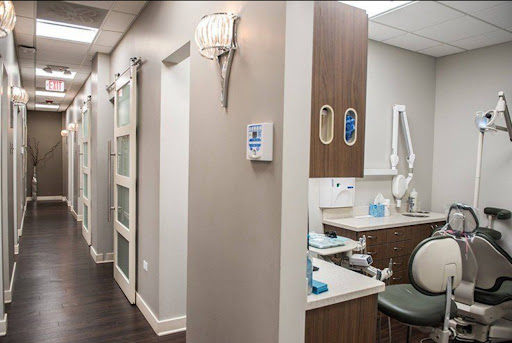
The atmosphere is beautiful the place is very clean. Very professional service. I went in for a free consultation. They were very thorough at explaining everything. I will be coming back and I Recommend them.

Alyssa Silvia
1 year ago
Response from the owner
Hi Alyssa Silvia Thanks for visiting Royal Dental Care. We truly value your feedback and your confidence in our team.
1 year ago

Amreen Jalal
1 year ago
izabela was so sweet and made the entire appointment very easy and enjoyable. the environment was really friendly, welcoming and clean. would definitely recommend to others, they’re very thorough with their work!
Response from the owner
Hi Amreen Jalal Thanks for taking the time to leave a review. Your input helps us continue providing high-quality care at Royal Dental Care.
1 year ago

LUKASZ WROBLEWSKI
1 year ago
This is a great place for those who want a gentle dentist, a thorough hygienist, and friendly staff. Everyone is so nice, and the whole office is clean and modern.
Response from the owner
Hi LUKASZ WROBLEWSKI Thank you for your kind words. We're so pleased to know you had a great experience at Royal Dental Care. 1 year ago

Katherine Dynak
1 year ago
Pretty good service
Response from the owner
Hi Katherine Dynak Your feedback means a lot to our team. We're committed to continuing the excellent care you’ve come to expect. 1 year ago

Melissa
1 year ago
Very friendly staff. Professional, I’ve been coming here for years now
Response from the owner
Hi Melissa We appreciate your support and are grateful you chose Royal Dental Care for your dental needs. Looking forward to seeing you again. 1 year ago

Bobby Anderson
1 year ago
I love this place! Been coming for years. I’ve had a lot of work done lol
Response from the owner
Hi Bobby Anderson Thank you for your kind words. We're so pleased to know you had a great experience at Royal Dental Care. 1 year ago

Rosa Rendon
1 year ago
Very good experience, Israa was amazing and did a great job
Response from the owner
Hi Rosa Rendon Your feedback means a lot to our team. We're committed to continuing the excellent care you’ve come to expect. 1 year ago