
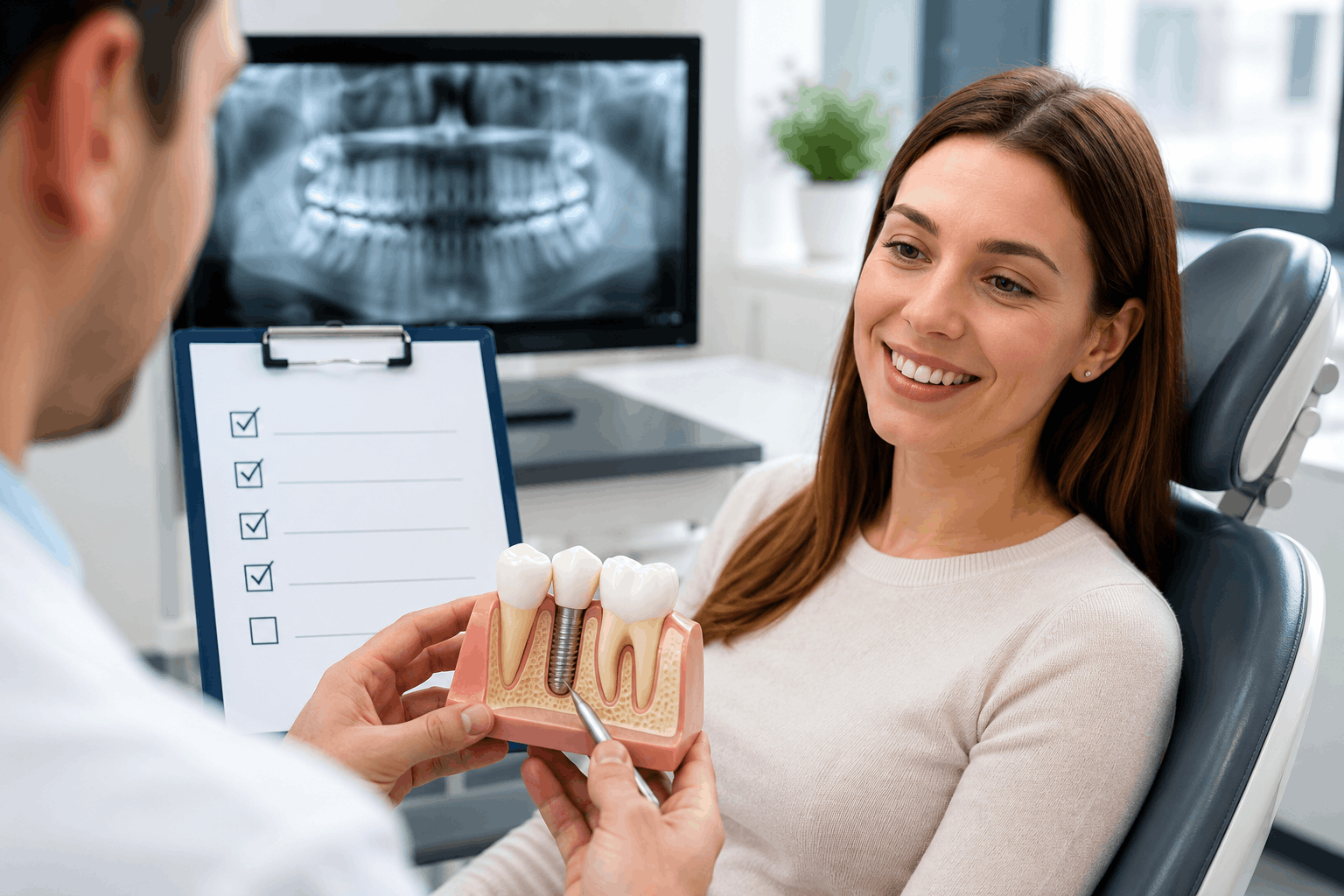

Are You a Good Candidate for Dental Implants? A Checklist
Losing a tooth alters your daily routine in ways you might not expect at first. Basic habits like eating your favorite meals, speaking clearly, and smiling comfortably during a conversation can suddenly feel stressful. Beyond the visual change, tooth loss also triggers quiet shifts in your mouth anatomy underneath the surface.
When you start looking into permanent ways to fix missing teeth, dental implants usually top the list as the modern standard of care. Because they replicate the structure of natural teeth, they offer a high level of stability. That said, getting a successful implant requires a few specific conditions in your jaw and your overall health.
If you live or work nearby, figuring out if you are a good candidate for dental implants in Schaumburg is your first real step toward getting your smile back. Let us look at how these restorations work, what determines your eligibility, and how a dentist evaluates your health for the procedure.
What Are Dental Implants and Am I a Good Candidate?
To figure out if you qualify, it helps to understand how dental implants actually work with your body.
Bridges or removable dentures simply sit on top of your gums, but a dental implant replaces the whole tooth from the root up. It uses three parts to do this:
- The Post: A tiny titanium screw placed right into your jawbone during a minor surgery.
- The Abutment: A small connector piece that sits just above your gum line on top of the post.
- The Restoration: The visible tooth part, like a porcelain crown or a full bridge.
Implants get their unique strength from a natural process called osseointegration. Over a few months, your jawbone grows tightly around the titanium post, treating it just like natural tissue. This strong bond provides excellent stability and chewing function that closely resembles a natural tooth.
Because this relies on your body healing and growing new bone, your overall health plays an important role in whether you are a candidate for dental implants. Your dentist may also recommend steps to prepare for dental implant surgery to improve your chances of successful healing.
Who is a Good Candidate for Dental Implants?
Most people who lose a tooth to decay, injury, or gum issues can get implant therapy. In general, you are likely a good candidate for dental implants if you match these basic health points:
Healthy Bone Density
The titanium post needs plenty of bone around it to stay secure. When a tooth is gone, the bone underneath naturally starts to shrink because it is no longer getting stimulated by chewing. Ideal candidates still have enough healthy bone to support the implant safely.
Strong Gums
Your gums shield the bone and the base of the implant. You need healthy gums completely free of active periodontal disease. Chronic swelling from gum disease destroys the very tissue keeping your teeth stable, which can increase the risk of implant complications or failure.
Solid Daily Habits
Implants cannot get cavities, but the surrounding tissues can still develop an inflammatory condition called peri-implantitis if bacteria build up around the base. A great candidate stays committed to brushing twice a day, flossing, and keeping up with professional cleanings.
Good General Health
Since placing an implant is a surgical process, your body needs to be ready to heal efficiently. Good candidates usually have well-managed medical conditions and a healthy immune system.
Checking Your Eligibility: A Quick Checklist
If you want to see if you fit the profile for a successful procedure, check out this quick baseline list:
- You have missing teeth or teeth that a root canal cannot save.
- Your jawbone is fully grown, which usually means you are an adult.
- Your gums look healthy and do not bleed easily.
- You do not have uncontrolled medical conditions that may significantly affect healing.
- You want something more secure than a slipping, uncomfortable denture.
- You are completely fine with a multi-step process that takes a few months to finish.
Who is Not a Good Candidate for Dental Implants?
Advanced dental techniques help more people get implants every year, but certain health factors or habits can lower your chances of success. You might need extra prep work or fall into a higher-risk category if any of these sound familiar:
Significant Bone Loss
If a tooth has been missing for years, or if an old infection destroyed the bone, there might not be enough tissue left to anchor a post. However, this does not mean you can never get one. Many patients become excellent candidates after a bone graft or sinus lift to rebuild that support.
Tobacco and Nicotine Use
Smoking, chewing tobacco, or vaping can get in the way of how the bone fuses to the implant. Nicotine slows down blood flow to your gums, meaning the surgery site does not get the oxygen it needs to heal properly. Your dentist may recommend stopping tobacco use before and after surgery to support healing.
Unmanaged Health Conditions
Issues like uncontrolled diabetes or active cancer treatments can limit your body’s immune response. Once these conditions are well managed alongside your primary doctor, implant treatment may become an appropriate option.
Grinding Your Teeth
Severe clenching puts massive pressure on a healing implant. If you grind your teeth at night, you will likely need a custom nightguard to protect the implant while it fuses to the bone.
Advanced Options: All-on-4 Dental Implants Good Candidate Eligibility Criteria
If you are missing all your teeth on a top or bottom arch, individual implants for every single tooth can become impractical. The All-on-4 implants treatment offers a well-established solution.
This system uses four strategically placed titanium implants to hold a full, fixed set of teeth. The dentist angles the back two implants to maximize the available bone in the front of your jaw.
The all-on-4 dental implants good candidate eligibility criteria usually apply to people who:
- Deal with slipping, clicking, or painful sores from traditional dentures.
- Have bone thinning in the back of the jaw that would normally require major bone grafting.
- Want a permanent, non-removable solution that lets them chew comfortably again without a long wait.
Take the Next Step Toward a Confident Smile
At the end of the day, a professional evaluation is the only way to know for sure if you are a candidate. Every mouth is shaped differently, and what works for one person might require a unique tweak for you. During a consultation, a dental team uses detailed imaging to check your jaw structure, looks over your health history, and builds a plan built around your goals.
If you want to find out what is possible for your smile, call the team at Royal Dental Care in Schaumburg today to set up your first visit.
Frequently Asked Questions on Implant Eligibility
Q: Is there an upper age limit for getting dental implants?
A: No, age alone does not keep you from getting implants. As long as you are in good overall health and have enough bone density, you may be a candidate regardless of age. The main restriction is actually on youth; the jawbone must be fully developed, which usually happens by your late teens or early twenties.
Q: What happens if my dentist says I do not have enough bone?
A: If you lack the right bone volume, you can usually get a preparatory procedure called a bone graft. This treatment uses special materials to help reinforce your jaw ridge. Once the graft heals and blends with your natural bone over a few months, it creates a solid anchor point for the implant post.
Q: Does getting a dental implant hurt?
A: Dentists use local anesthesia to completely numb the area during surgery, so you should not feel pain during the procedure, although you may notice some pressure. Many patients experience only mild discomfort during the first few days of recovery, which is often manageable with standard over-the-counter pain relievers and ice packs.
Q: How long do dental implants last?
A: Dental implants are designed for long-term function. While the porcelain crown on top might wear down after 10 to 15 years and need a replacement, the titanium post underneath can last for many years or even decades with proper care and regular dental visits.
Real Patients. Real Reviews.

Luke
12 months ago
Isabella was great!! Highly recommend her

Julia Swider
12 months ago
Great experience, everyone is very kind and patient. Take time to educate you on what is going on, which is much appreciated. Highly recommend!
Response from the owner
Hi Julia,Thank you for leaving us a review! Your feedback is appreciated.1 year ago

Pawel Blaszczak
12 months ago

Casey Kinsella
12 months ago
The atmosphere was great. The professionals were friendly. The communication between the office, dentist and patient was awful. I’ve found this with most dentist offices that once they get your money, they forget about you. Not happy with the customer service.

Scott Donaldson
12 months ago

Szymon Szuster
12 months ago

Ozzie Skenderi
12 months ago
Everyone is so nice and helpful!! They are great!!
Response from the owner
Hi Ozzie,We appreciate you taking the time to provide your feedback. We're happy to hear you had a positive experience at our practice!1 year ago

Jacqueline Hernandez
12 months ago
Really clean and great service

Rafal Raszewski
12 months ago

vivian trankina (viv)
12 months ago
amazing service everyone is kind here i’ve been going here for about 2 ywars

Keluarga Bahagia
12 months ago
Since I moved from another dentist to this Royal Dental treatment has felt so amazing, all the women who work at the desk are very kind to help me and my husband for scheduling, especially for me a dental cleaner who cleans my teeth Lois is my favorite, she is very friendly and does clean details. The dentist is also good, twice helped by the dentist forgot his name, he is also very helpful to check, for all the good and happy come to this Kingdom's teeth

Karina Czajko
12 months ago
Very professional, always respectful! Highly recommend!

Yoly navarrete
12 months ago
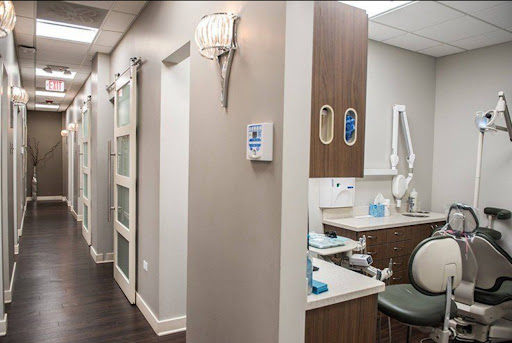
The atmosphere is beautiful the place is very clean. Very professional service. I went in for a free consultation. They were very thorough at explaining everything. I will be coming back and I Recommend them.

Alyssa Silvia
12 months ago
Response from the owner
Hi Alyssa Silvia Thanks for visiting Royal Dental Care. We truly value your feedback and your confidence in our team.12 months ago

Amreen Jalal
12 months ago
izabela was so sweet and made the entire appointment very easy and enjoyable. the environment was really friendly, welcoming and clean. would definitely recommend to others, they’re very thorough with their work!
Response from the owner
Hi Amreen Jalal Thanks for taking the time to leave a review. Your input helps us continue providing high-quality care at Royal Dental Care.12 months ago

LUKASZ WROBLEWSKI
1 year ago
This is a great place for those who want a gentle dentist, a thorough hygienist, and friendly staff. Everyone is so nice, and the whole office is clean and modern.
Response from the owner
Hi LUKASZ WROBLEWSKI Thank you for your kind words. We're so pleased to know you had a great experience at Royal Dental Care. 12 months ago

Katherine Dynak
1 year ago
Pretty good service
Response from the owner
Hi Katherine Dynak Your feedback means a lot to our team. We're committed to continuing the excellent care you’ve come to expect. 12 months ago

Melissa
1 year ago
Very friendly staff. Professional, I’ve been coming here for years now
Response from the owner
Hi Melissa We appreciate your support and are grateful you chose Royal Dental Care for your dental needs. Looking forward to seeing you again. 12 months ago

Bobby Anderson
1 year ago
I love this place! Been coming for years. I’ve had a lot of work done lol
Response from the owner
Hi Bobby Anderson Thank you for your kind words. We're so pleased to know you had a great experience at Royal Dental Care. 12 months ago

Rosa Rendon
1 year ago
Very good experience, Israa was amazing and did a great job
Response from the owner
Hi Rosa Rendon Your feedback means a lot to our team. We're committed to continuing the excellent care you’ve come to expect. 12 months ago