
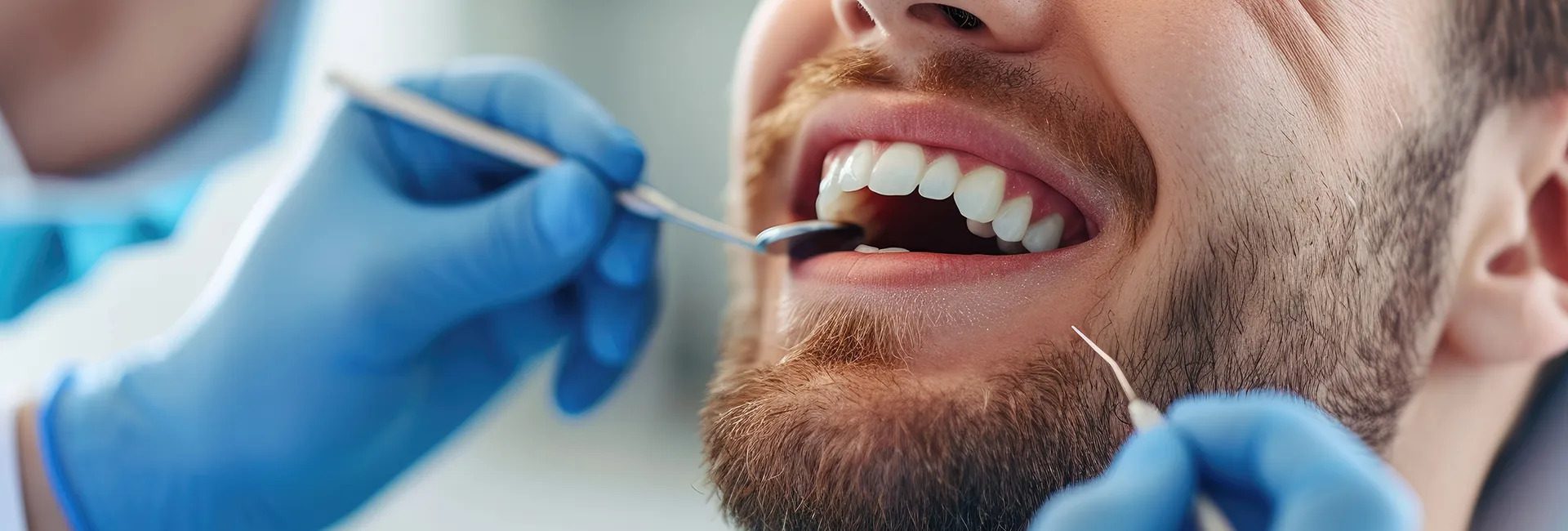

Why You Shouldn’t Ignore Tooth Sensitivity: Causes, Risks, and Treatment Options
Tooth sensitivity might seem like a minor annoyance—until that sharp zing of discomfort keeps you from enjoying your favorite ice cream or sipping a hot cup of coffee. While occasional sensitivity is common, persistent or worsening sensitivity can signal underlying dental issues that shouldn’t be ignored.
At Royal Dental Care – Schaumburg and Norridge, our dental professionals are here to help diagnose, treat, and prevent the causes of sensitive teeth.
What Is Tooth Sensitivity?
Tooth sensitivity, or dentin hypersensitivity, refers to discomfort or pain in the teeth when exposed to:
- Cold or hot foods and drinks
- Sweet or acidic foods
- Brushing or flossing
- Cold air
This discomfort occurs when the enamel—the outer protective layer of your tooth—wears down, exposing the dentin or tooth root where nerve endings live.
Common Causes of Tooth Sensitivity
Understanding the root cause of sensitivity is key to long-term relief. Here are some of the most common reasons:
1. Worn Tooth Enamel: Excessive brushing, acidic foods, or aging can wear away enamel. Learn more about the importance of protecting your teeth during routine dental cleanings and checkups.
2. Receding Gums: Gum recession exposes the sensitive tooth root. We may recommend periodontal therapy to address gum disease or gum loss.
3. Tooth Decay: Cavities and decay can expose dentin and lead to sensitivity. Prompt care using dental fillings can restore comfort and function.
4. Cracked or Fractured Teeth: A crack can reach the dentin or nerve, leading to intense sensitivity. Depending on severity, we may restore your tooth with a dental crown or perform root canal therapy.
5. Teeth Grinding (Bruxism): Grinding wears enamel and creates microscopic cracks. A custom nightguard can protect your teeth while you sleep.
6. Post-Treatment Sensitivity: Sensitivity after cleanings, teeth whitening, or fillings is common—but if it persists, a deeper issue may be present.
The Risks of Ignoring Sensitive Teeth
Ignoring sensitivity can lead to:
- Worsening enamel erosion
- Increased risk of decay or infection
- Potential abscesses
- Difficulty eating or drinking
- More costly, invasive procedures later
In short, your sensitive teeth are trying to tell you something. Listening now can help you avoid serious issues later.
How We Treat Tooth Sensitivity at Royal Dental Care – Schaumburg
Our first step is to assess the underlying cause of your discomfort. From there, we may recommend:
- Fluoride applications to strengthen enamel
- Desensitizing toothpaste for daily relief
- Dental bonding to seal exposed areas
- Fillings or crowns for damaged teeth
- Gum treatments for recession
- Nightguards to prevent enamel wear from grinding
Every care plan is customized to your comfort, lifestyle, and dental history.
How to Prevent Sensitive Teeth
Preventing sensitivity starts with strong oral hygiene and regular dental visits. Here are our expert tips:
- Brush gently with a soft-bristled toothbrush
- Use fluoride-rich toothpaste
- Limit acidic or sugary foods
- Avoid overuse of whitening products
- Use a nightguard if you grind your teeth
- Stay current with routine dental exams and cleanings
You can also learn proper techniques by reading our blog: How to Floss Your Teeth Correctly
When Should You See a Dentist?
Book a visit with our Schaumburg dentists if:
- Sensitivity lasts more than a few days
- Over-the-counter options don’t help
- You notice gum recession or tooth cracks
- Pain affects daily activities
Our team is experienced in both emergency dentistry and long-term treatment solutions. We’re here to help protect your comfort and smile.
FAQs About Tooth Sensitivity
Q1: Is tooth sensitivity permanent?
Not always. Many cases are treatable, especially if caught early.
Q2: Can it go away on its own?
Mild cases might resolve naturally, but persistent pain should be evaluated.
Q3: Is desensitizing toothpaste safe?
Yes, and many patients find significant relief within a few weeks of daily use.
Q4: Will I need a crown or filling?
Only if the tooth is decayed, cracked, or damaged. We’ll guide you through the best solution.
Q5: How soon will I feel better after treatment?
Some patients feel relief within days; others may require multiple treatments.
Final Thoughts
Tooth sensitivity is more than a fleeting annoyance—it could be a sign of bigger dental issues. If you live in Schaumburg or Norridge, don’t wait until the pain gets worse.
Let our experienced dentists at Royal Dental Care Schaumburg help you reclaim your oral comfort.
Schedule your appointment today and get to the root of your sensitivity.
Real Patients. Real Reviews.



Luke
1 year ago
Isabella was great!! Highly recommend her

Julia Swider
1 year ago
Great experience, everyone is very kind and patient. Take time to educate you on what is going on, which is much appreciated. Highly recommend!
Response from the owner
Hi Julia,
Thank you for leaving us a review! Your feedback is appreciated.2 years ago

Pawel Blaszczak
1 year ago

Casey Kinsella
1 year ago
The atmosphere was great. The professionals were friendly. The communication between the office, dentist and patient was awful. I’ve found this with most dentist offices that once they get your money, they forget about you. Not happy with the customer service.

Scott Donaldson
1 year ago

Szymon Szuster
1 year ago

Ozzie Skenderi
1 year ago
Everyone is so nice and helpful!! They are great!!
Response from the owner
Hi Ozzie,
We appreciate you taking the time to provide your feedback. We're happy to hear you had a positive experience at our practice!2 years ago

Jacqueline Hernandez
1 year ago
Really clean and great service

Rafal Raszewski
1 year ago

vivian trankina (viv)
1 year ago
amazing service everyone is kind here i’ve been going here for about 2 ywars

Keluarga Bahagia
1 year ago
Since I moved from another dentist to this Royal Dental treatment has felt so amazing, all the women who work at the desk are very kind to help me and my husband for scheduling, especially for me a dental cleaner who cleans my teeth Lois is my favorite, she is very friendly and does clean details. The dentist is also good, twice helped by the dentist forgot his name, he is also very helpful to check, for all the good and happy come to this Kingdom's teeth

Karina Czajko
1 year ago
Very professional, always respectful! Highly recommend!

Yoly navarrete
1 year ago
The atmosphere is beautiful the place is very clean. Very professional service. I went in for a free consultation. They were very thorough at explaining everything. I will be coming back and I Recommend them.


Alyssa Silvia
1 year ago
Response from the owner
Hi Alyssa Silvia Thanks for visiting Royal Dental Care. We truly value your feedback and your confidence in our team.
1 year ago

Amreen Jalal
1 year ago
izabela was so sweet and made the entire appointment very easy and enjoyable. the environment was really friendly, welcoming and clean. would definitely recommend to others, they’re very thorough with their work!
Response from the owner
Hi Amreen Jalal Thanks for taking the time to leave a review. Your input helps us continue providing high-quality care at Royal Dental Care.
1 year ago

LUKASZ WROBLEWSKI
1 year ago
This is a great place for those who want a gentle dentist, a thorough hygienist, and friendly staff. Everyone is so nice, and the whole office is clean and modern.
Response from the owner
Hi LUKASZ WROBLEWSKI Thank you for your kind words. We're so pleased to know you had a great experience at Royal Dental Care. 1 year ago

Katherine Dynak
1 year ago
Pretty good service
Response from the owner
Hi Katherine Dynak Your feedback means a lot to our team. We're committed to continuing the excellent care you’ve come to expect. 1 year ago

Melissa
1 year ago
Very friendly staff. Professional, I’ve been coming here for years now
Response from the owner
Hi Melissa We appreciate your support and are grateful you chose Royal Dental Care for your dental needs. Looking forward to seeing you again. 1 year ago

Bobby Anderson
1 year ago
I love this place! Been coming for years. I’ve had a lot of work done lol
Response from the owner
Hi Bobby Anderson Thank you for your kind words. We're so pleased to know you had a great experience at Royal Dental Care. 1 year ago

Rosa Rendon
1 year ago
Very good experience, Israa was amazing and did a great job
Response from the owner
Hi Rosa Rendon Your feedback means a lot to our team. We're committed to continuing the excellent care you’ve come to expect. 1 year ago