

Dry Socket After Tooth Extraction: How Patients Can Prevent It
If you have recently had a tooth extraction, you are likely focused on one thing: getting back to your normal life as quickly as possible. Most of the time, the healing process is pretty straightforward. You rest, you take it easy, and before you know it, you are feeling like yourself again. But there is one little complication that people often worry about, and for good reason. It is called dry socket.
If you have been searching for a tooth extraction near me and found your way to Royal Dental Care, you might have heard this term whispered in dental circles. It sounds a bit scary, but when you know what it is and how to prevent it, you can take a lot of the mystery and the fear out of the equation.
What Exactly Is Dry Socket?
To understand dry socket, you first have to understand how your mouth heals. When we remove a tooth, your body naturally forms a blood clot in the empty socket. Think of this clot as a protective bandage. It shields the underlying bone and the sensitive nerves from the outside world while the healing magic happens. If you are unfamiliar with understanding the tooth removal process, learning what happens before and after an extraction can make the entire experience feel less intimidating.
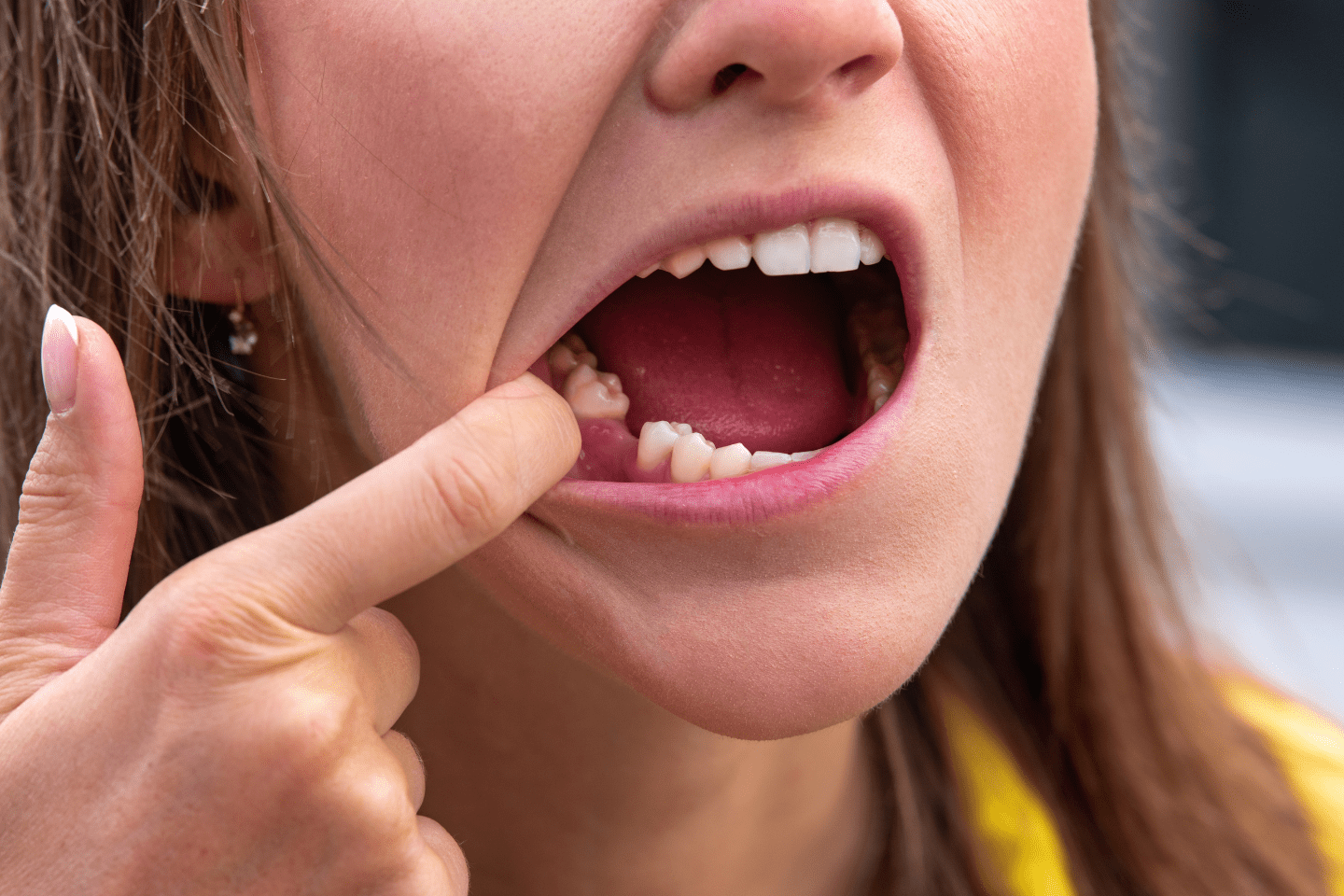
Dry socket happens when that blood clot is either dislodged or simply does not form properly in the first place. When that protective barrier is missing, the bone and the nerves underneath are suddenly exposed to air, food, and fluids. It is safe to say that this is not a comfortable experience. It usually results in a deep, throbbing pain that can start a few days after your procedure.
How to Protect Your Healing Site
The good news is that dry socket is not inevitable. In fact, most people move through their recovery without ever dealing with it. At Royal Dental Care Schaumburg, we focus on giving you clear instructions, but here is the common sense approach to keeping that clot exactly where it belongs.
Ditch the Straws
This is the big one. It is so tempting to use a straw for your water or your protein shake, but please resist the urge. When you suck on a straw, you create a vacuum in your mouth. That suction is the number one cause of dislodged blood clots. For at least the first week, skip the straws and drink directly from the glass.
Keep Tobacco Products Away
If you smoke or use any kind of tobacco product, this is the most important time to take a break. The chemicals in tobacco can slow down your body’s ability to heal, and the act of inhaling can create enough pressure to move the clot. Many patients find that using this recovery time as a reason to cut back or quit is a great way to prioritize their long term health.
Stay Away From Intense Rinsing
You might feel like you need to keep the area clean, but for the first twenty four hours, do not rinse your mouth vigorously. If you need to clear your mouth, just gently tilt your head from side to side and let the water fall out of your mouth. Avoid that “swish and spit” motion that we are all so used to.
Choose Your Foods Wisely
For the first few days, stick to soft, room temperature foods. Yogurt, applesauce, mashed potatoes, and lukewarm soup are your best friends. Avoid anything that is crunchy, spicy, or sticky. You do not want a stray piece of popcorn or a crunchy chip poking at the extraction site while it is trying to heal. If you need ideas for making smart food choices during recovery, planning your meals ahead of time can make healing much easier.
Take It Easy
We know life in Schaumburg is busy, but your body needs energy to heal. If you jump back into a heavy workout or a stressful project too soon, you might increase your heart rate and blood flow in a way that interferes with the site. Give yourself permission to be a couch potato for a couple of days. Your mouth will thank you for it.
Recognizing the Signs of Trouble
How do you know if you have dry socket? It is usually pretty obvious. If the pain starts to get worse instead of better three or four days after your extraction, that is your first clue. You might also notice a bad taste in your mouth or even a bit of an unpleasant odor. If the pain radiates toward your ear or your eye, that is another common symptom.
If you feel like something is not right, do not just hope it goes away. Contact us. We can take a look and see if the area needs to be cleaned or dressed with a soothing medication.
What to Do If You Think You Have It
If you do develop dry socket, it does not mean you have failed at recovery. Sometimes it just happens. The most important thing is to reach out to us at Royal Dental Care Schaumburg. We can help you manage the pain and get your healing back on track.
Treatment for dry socket is actually quite simple. We can place a medicated dressing into the socket that will soothe the exposed bone and provide almost immediate relief. It is not a permanent fix, but it acts as a surrogate for that missing blood clot, allowing you to get through the healing process much more comfortably. Knowing what a normal recovery timeline looks like can also help you recognize when symptoms fall outside the expected healing pattern.
A Partner in Your Recovery
We want your experience with a tooth extraction in Schaumburg, IL, to be as smooth as possible. Our team is here to support you before, during, and after your procedure. You are never in this alone. If you have questions about your post-op care or if you are worried about how you are feeling, call us. We would much rather you call and find out everything is normal than suffer in silence. If you need guidance on pain medication after extraction, our team can help you understand which options are appropriate during your recovery.
Frequently Asked Questions on Dry Socket after Tooth Extraction
Is dry socket a common complication?
It is relatively rare, occurring in a small percentage of extractions. While it is certainly not a daily occurrence, it is worth being mindful of your post-op instructions to keep your risk as low as possible.
How long does dry socket pain last?
Without treatment, the pain can last for a week or more. However, with professional care and a medicated dressing, the pain is usually managed very quickly, allowing you to return to your normal life.
Can I take over the counter pain relievers?
Yes, we will provide you with guidance on what pain relievers are safe to take based on your health history. We often suggest a combination of medications to keep you comfortable.
Will I need another surgery if I get dry socket?
No, dry socket does not require another surgery. It is a surface issue that we can manage in the office with simple, effective treatments.
Can I use mouthwash?
We usually advise against using harsh, alcohol based mouthwashes for the first week, as they can irritate the sensitive tissue and interfere with healing. Stick to warm salt water rinses only if we have recommended them to you.
How do I know if the clot is still there?
You generally do not need to look at it yourself. If you are not in significant pain and you are following all the rules, the clot is likely doing exactly what it needs to do. Trust the process and keep taking it easy.
Real Patients. Real Reviews.



Luke
1 year ago
Isabella was great!! Highly recommend her

Julia Swider
1 year ago
Great experience, everyone is very kind and patient. Take time to educate you on what is going on, which is much appreciated. Highly recommend!
Response from the owner
Hi Julia,
Thank you for leaving us a review! Your feedback is appreciated.2 years ago

Pawel Blaszczak
1 year ago

Casey Kinsella
1 year ago
The atmosphere was great. The professionals were friendly. The communication between the office, dentist and patient was awful. I’ve found this with most dentist offices that once they get your money, they forget about you. Not happy with the customer service.

Scott Donaldson
1 year ago

Szymon Szuster
1 year ago

Ozzie Skenderi
1 year ago
Everyone is so nice and helpful!! They are great!!
Response from the owner
Hi Ozzie,
We appreciate you taking the time to provide your feedback. We're happy to hear you had a positive experience at our practice!2 years ago

Jacqueline Hernandez
1 year ago
Really clean and great service

Rafal Raszewski
1 year ago

vivian trankina (viv)
1 year ago
amazing service everyone is kind here i’ve been going here for about 2 ywars

Keluarga Bahagia
1 year ago
Since I moved from another dentist to this Royal Dental treatment has felt so amazing, all the women who work at the desk are very kind to help me and my husband for scheduling, especially for me a dental cleaner who cleans my teeth Lois is my favorite, she is very friendly and does clean details. The dentist is also good, twice helped by the dentist forgot his name, he is also very helpful to check, for all the good and happy come to this Kingdom's teeth

Karina Czajko
1 year ago
Very professional, always respectful! Highly recommend!

Yoly navarrete
1 year ago
The atmosphere is beautiful the place is very clean. Very professional service. I went in for a free consultation. They were very thorough at explaining everything. I will be coming back and I Recommend them.

Alyssa Silvia
1 year ago
Response from the owner
Hi Alyssa Silvia Thanks for visiting Royal Dental Care. We truly value your feedback and your confidence in our team.
1 year ago

Amreen Jalal
1 year ago
izabela was so sweet and made the entire appointment very easy and enjoyable. the environment was really friendly, welcoming and clean. would definitely recommend to others, they’re very thorough with their work!
Response from the owner
Hi Amreen Jalal Thanks for taking the time to leave a review. Your input helps us continue providing high-quality care at Royal Dental Care.
1 year ago

LUKASZ WROBLEWSKI
1 year ago
This is a great place for those who want a gentle dentist, a thorough hygienist, and friendly staff. Everyone is so nice, and the whole office is clean and modern.
Response from the owner
Hi LUKASZ WROBLEWSKI Thank you for your kind words. We're so pleased to know you had a great experience at Royal Dental Care. 1 year ago

Katherine Dynak
1 year ago
Pretty good service
Response from the owner
Hi Katherine Dynak Your feedback means a lot to our team. We're committed to continuing the excellent care you’ve come to expect. 1 year ago

Melissa
1 year ago
Very friendly staff. Professional, I’ve been coming here for years now
Response from the owner
Hi Melissa We appreciate your support and are grateful you chose Royal Dental Care for your dental needs. Looking forward to seeing you again. 1 year ago

Bobby Anderson
1 year ago
I love this place! Been coming for years. I’ve had a lot of work done lol
Response from the owner
Hi Bobby Anderson Thank you for your kind words. We're so pleased to know you had a great experience at Royal Dental Care. 1 year ago

Rosa Rendon
1 year ago
Very good experience, Israa was amazing and did a great job
Response from the owner
Hi Rosa Rendon Your feedback means a lot to our team. We're committed to continuing the excellent care you’ve come to expect. 1 year ago